
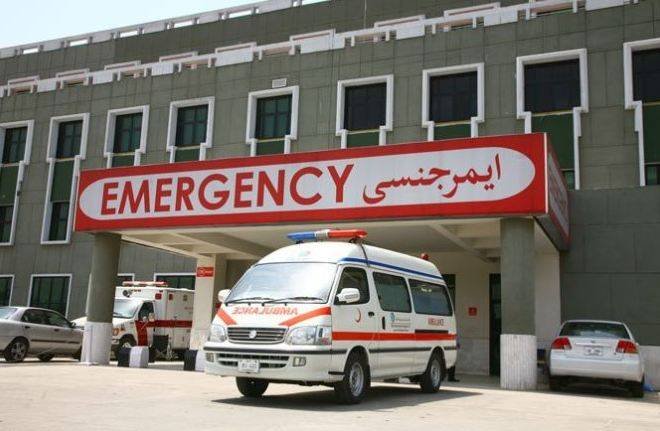

ISLAMABAD: Authorities have placed Islamabad’s major federal hospitals on high alert until September 30, directing medical facilities to maintain round-the-clock emergency preparedness, according to official circulars reported by 24NewsHD.
The administrations of the Pakistan Institute of Medical Sciences (PIMS) and Polyclinic issued instructions requiring ambulances to remain available around the clock throughout the alert period.
Heads of clinical and non-clinical departments must remain at their stations, while hospitals have been ordered to ensure continuous availability of essential personnel and maintain updated duty rosters.
Emergency and Trauma Services to Remain Fully Operational
The circulars directed emergency departments, intensive care units, operating theatres, trauma services, nursing units and diagnostic departments to remain fully functional.
Furthermore, blood banks and pharmacies must maintain uninterrupted operations, while administrations must prepare additional beds for any sudden increase in patient numbers.
Hospitals have also been ordered to keep extra stretchers and wheelchairs ready.
Meanwhile, administrators must maintain sufficient stocks of oxygen, blood, medicines, essential medical equipment and other critical supplies throughout the high-alert period.
Emergency departments and ambulance routes must remain clear to ensure rapid movement during any emergency.
Staff Leave Restricted During High-Alert Period
Authorities have also ordered hospitals to strengthen security around emergency departments, main entrances and other sensitive locations.
Moreover, all officers and employees must remain immediately available and respond quickly if an emergency develops. Staff leave will remain restricted during the alert period, except for medical leave.
Hospitals must also keep the maximum possible number of specialists from neurosurgery, orthopaedics, general surgery and oral and maxillofacial surgery available on call.
The supplied circulars did not specify the particular security development that prompted the high-alert measures, describing them as precautions taken in view of the current situation.

