

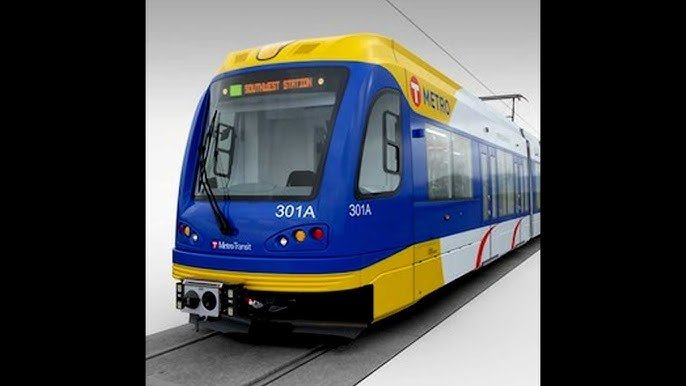

The federal government has finalized plans to launch a high-speed rail service between Islamabad and Rawalpindi. This project aims to reduce travel time, ease traffic congestion, and provide residents of both cities with a safe and affordable commuting option. The much-anticipated service is scheduled to begin on March 23, making it a significant development for urban transportation in Pakistan.
Travel Time Reduced to 20 Minutes
The upcoming rail link will connect Margalla Railway Station in Islamabad to Saddar Railway Station in Rawalpindi. Passengers will be able to cover the route in just 20 minutes. This marks a substantial improvement compared to current road travel times, which are often delayed due to heavy traffic on Murree Road and other routes connecting the two cities.
Project Details and Planning
The decision to proceed with the project was finalized during a high-level government meeting involving officials from Pakistan Railways, the Capital Development Authority (CDA), the Rawalpindi Commissioner’s Office, and law enforcement agencies. The service will initially operate on the existing railway track, ensuring an early start while minimizing construction delays.
Pakistan Railways will handle the provision and maintenance of track infrastructure. Meanwhile, the CDA will take charge of overall operations. A formal PC-I of the project is set to be submitted to the Planning Division within weeks. The framework agreement between the two organizations is expected to be signed soon, creating a structured foundation for operations.
Modern Trains and Imported Technology
The rail system will use modern Diesel Multiple Units (DMUs), designed for efficiency and speed. These advanced trains are likely to be imported from China or another partner country. Procurement is expected to take around one month, after which preparations for deployment will begin. The addition of DMUs will ensure smoother travel experiences and reliable scheduling.
Integration With Existing Transport Systems
To make the project more effective, CDA’s electric buses will act as feeder services, linking different parts of Islamabad to Margalla Station. Furthermore, the existing Metro Bus Service will integrate with the new rail link, ensuring seamless connectivity across the twin cities. This integration will help commuters shift easily between different modes of public transport.
Benefits for Residents of Twin Cities
The Islamabad–Rawalpindi high-speed rail service is expected to deliver multiple benefits:
-
Reduced travel time: A quick 20-minute journey will replace lengthy and stressful road commutes.
-
Lower traffic congestion: Fewer vehicles on roads will ease daily jams between the cities.
-
Affordable transport: Residents will have access to a cost-effective commuting alternative.
-
Sustainable urban development: Integration with electric buses and metro links will promote eco-friendly mobility.
This rail project represents the government’s push towards modernizing Pakistan’s transportation sector. By investing in urban transit solutions, authorities aim to improve quality of life for residents, boost productivity, and support sustainable development. If successful, the Islamabad–Rawalpindi rail link could also serve as a model for future rail projects in other major cities.
The countdown has now begun, with March 23 set as the official launch date. Residents of the twin cities are looking forward to experiencing a faster, more reliable, and environmentally friendly commuting option.
