

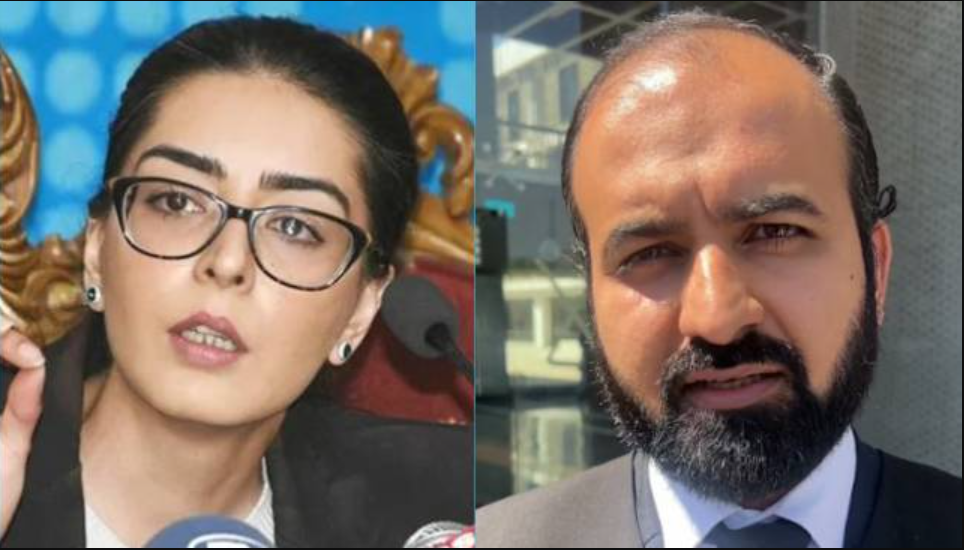

An Islamabad court has issued non-bailable arrest warrants for Advocate Imaan Mazari and Advocate Abdul Hadi Ali Chattha. The warrants were issued in connection with a case concerning controversial tweets related to state and national security institutions.
Additional District and Sessions Judge Muhammad Afzal Majuka presided over the hearing. During proceedings, the court directed that both accused be taken into custody and produced before the bench on September 24.
Pleas Against Warrants Rejected
Legal representatives of Mazari and Chattha filed applications requesting cancellation of the arrest warrants. However, the court rejected these pleas on the spot, upholding its earlier orders. The decision reflects the judiciary’s strict stance on non-compliance with court directives in sensitive cases.
Previous Summons Ignored
The case has been ongoing for several weeks. Earlier, the court issued summons for both individuals, requiring their appearance in relation to the matter. Despite repeated notices, neither Mazari nor Chattha complied. As a result, the court escalated its directive by issuing non-bailable warrants.
Court Orders Appearance on September 24
The ruling requires that both accused must be arrested and brought before the court on September 24. Failure to comply with this directive could result in further legal complications. The issuance of non-bailable warrants underscores the seriousness of the charges and the court’s determination to ensure compliance.
Background of the Case
The controversial tweets at the center of this case are alleged to have targeted state and national security institutions. Authorities argue that such remarks fall under legal provisions related to the integrity of national institutions. The case has drawn significant public attention due to the high-profile nature of the accused, both of whom are practicing lawyers.
Significance of the Court’s Decision
Legal analysts note that the decision highlights the judiciary’s increasing focus on cases involving online speech and its potential impact on public order. The rejection of pleas against the warrants signals that the court will not tolerate defiance of its authority.
For Imaan Mazari and Abdul Hadi Ali Chattha, the upcoming court appearance on September 24 will be critical. Both must now comply with the order and prepare to present their defense.
The case is expected to set an important precedent in Pakistan’s legal framework concerning freedom of expression and accountability under the law. The outcome will likely influence future proceedings involving statements made on social media platforms, especially when linked to sensitive state institutions.
As the September 24 date approaches, all eyes remain on whether both accused will appear before the court and how the proceedings will unfold.
