
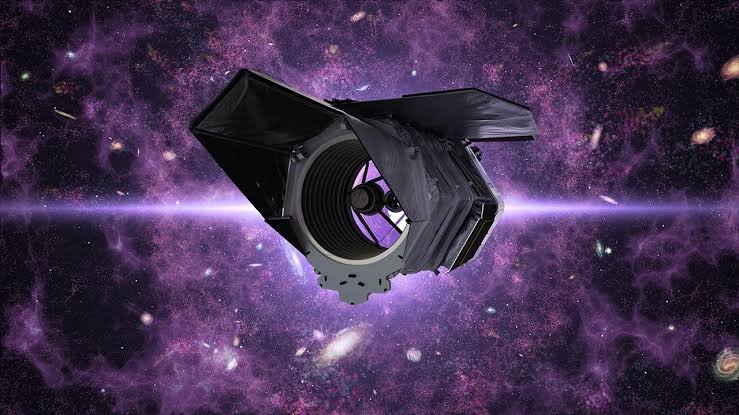

NASA’s Voyager 1 spacecraft has stopped transmitting scientific and engineering data just days before reaching a historic milestone. The nearly 49-year-old probe is now travelling farther from Earth than any other human-made object.
The spacecraft was expected to become the first human-made object to reach one light-day from Earth. However, the sudden technical problem has raised concerns about its ageing systems.
Voyager 1 Stops Sending Scientific Data
NASA detected the problem on November 14, 2026. Since then, Voyager 1 has transmitted only an empty carrier signal instead of its usual scientific and engineering information.
A carrier signal is a continuous radio transmission that normally carries data collected by the spacecraft’s instruments. Its continued presence suggests that Voyager 1 is still powered and its antenna remains pointed towards Earth.
Engineers believe the problem may involve the onboard computer responsible for collecting and preparing scientific information. However, NASA has not confirmed the exact cause.
Communication Delays Make Repairs Difficult
Voyager 1 has reached approximately 16 billion miles from Earth. At this distance, radio signals take around 24 hours to travel between the spacecraft and Earth.
Therefore, every command takes a full day to reach the probe. Engineers must then wait another 24 hours for a response.
This delay makes diagnosing and repairing technical problems extremely challenging. Only two of Voyager 1’s original 10 scientific instruments remain operational. NASA previously switched off other instruments to conserve power.
Previous Malfunctions Raise Concerns
The latest interruption resembles a technical problem Voyager 1 experienced in November 2023. At that time, engineers traced the issue to its Flight Data Subsystem.
A damaged computer chip prevented the spacecraft from sending readable scientific information. Engineers eventually restored communication by modifying the onboard software.
Voyager 1 also lost contact with Earth for two days in October 2026. NASA is investigating whether that incident contributed to the latest problem.
Voyager 1 Continues Its Historic Journey
Launched in September 1977, Voyager 1 has operated far beyond its original five-year mission. It entered interstellar space in 2012, becoming the first human-made spacecraft to cross the heliosphere.
Its twin, Voyager 2, crossed the same boundary in 2018. Both spacecraft continue exploring regions beyond the Sun’s protective influence.
Despite its latest technical challenge, Voyager 1 has achieved another remarkable milestone. Its journey continues to expand humanity’s understanding of distant space.
For the latest updates, visit and follow The Truth International website (www.thetruthinternational.com) and subscribe to the YouTube Channel.

