
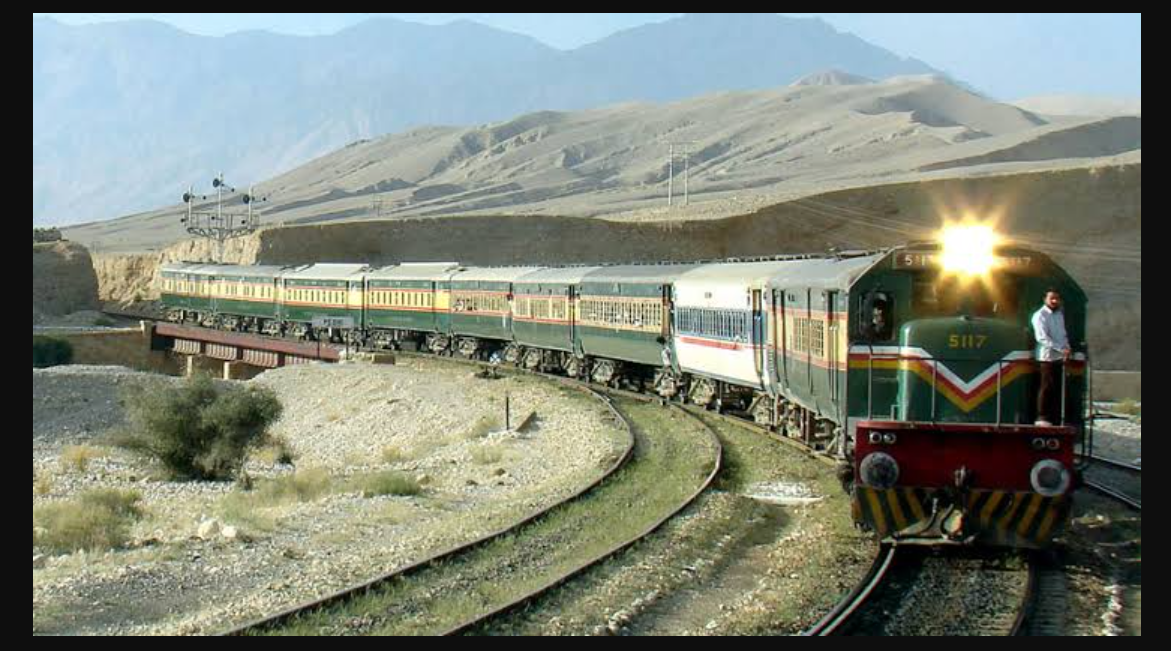

Pakistan has invited the Japan International Cooperation Agency (JICA) to co-finance the multibillion-dollar Main Line-1 (ML-1) Railway Project. The move reflects Islamabad’s efforts to deepen development cooperation with Japan.
The proposal came during a meeting between Federal Minister for Economic Affairs Ahad Cheema and JICA President Dr. Tanaka Akihiko. A high-level Japanese delegation also attended the discussions.
During the meeting, both sides explored opportunities to strengthen bilateral development cooperation. They also discussed expanding JICA’s support for Pakistan’s priority sectors.
Pakistan Appreciates Japan’s Longstanding Development Partnership
The minister welcomed the visiting delegation and praised JICA’s contribution to Pakistan’s socio-economic development over the past seven decades.
He noted that Japan’s Official Development Assistance to Pakistan totals approximately $11.7 billion.
According to the minister, this assistance has supported key sectors, including energy, transport infrastructure, industry, agriculture, water resources, education, health and security.
Moreover, he acknowledged Japan’s consistent role in supporting Pakistan’s long-term development goals.
ML-1 Highlighted as Strategic Infrastructure Project
During the discussions, Ahad Cheema invited JICA to participate in financing the ML-1 Railway Project.
He pointed out that the Asian Development Bank and other development partners are already supporting the initiative.
The minister emphasized that modernising ML-1 would strengthen Pakistan’s transportation network. Furthermore, it would improve industrial connectivity, facilitate trade and contribute to sustainable economic growth.
In response, Dr. Tanaka acknowledged the project’s strategic importance. He stated that JICA would consider Pakistan’s proposal.
ML-1 remains one of Pakistan’s most significant railway modernisation initiatives under the China-Pakistan Economic Corridor (CPEC). The project aims to upgrade the country’s existing railway main line.
Talks Extend Beyond Railway Development
Besides infrastructure, both sides discussed several other development priorities.
The minister stressed the importance of investing in skilled workforce development. He said stronger human capital would help Pakistan meet the changing demands of domestic and international labour markets.
Dr. Tanaka expressed support for the proposal. He indicated that JICA would consider including the initiative in its future project pipeline.
Digital Connectivity and Rural Internet Also Discussed
The meeting also focused on Pakistan’s growing digital economy.
Cheema requested JICA’s assistance in upgrading internet infrastructure in rural areas. He explained that improved digital connectivity would create greater opportunities for freelancers, entrepreneurs and e-commerce businesses.
Dr. Tanaka appreciated the proposal and acknowledged its potential to promote inclusive economic development.
Feasibility Studies and Tourism Cooperation Proposed
The minister further requested JICA’s support in conducting feasibility studies for major development projects.
He noted that well-prepared feasibility studies play a critical role in attracting investment and ensuring successful implementation.
Dr. Tanaka responded that feasibility studies remain one of JICA’s core strengths. Therefore, he assured Pakistan of the agency’s continued support in this area.
In addition, Cheema highlighted opportunities for cooperation in promoting Pakistan’s tourism sector.
He specifically proposed collaboration on preserving, conserving and upgrading Gandhara art and civilisation sites.
According to the minister, greater cooperation could boost cultural tourism while strengthening people-to-people ties between Pakistan and Japan.
Dr. Tanaka welcomed the proposal and said JICA would give it due consideration.
Pakistan and Japan Reaffirm Development Partnership
The meeting concluded with both sides reaffirming their commitment to expanding Pakistan-Japan development cooperation.
They also agreed to maintain close engagement on future development initiatives.
The discussions reflected a shared interest in strengthening collaboration across infrastructure, human resource development, digital connectivity, tourism and project planning while exploring new opportunities for long-term partnership.

