

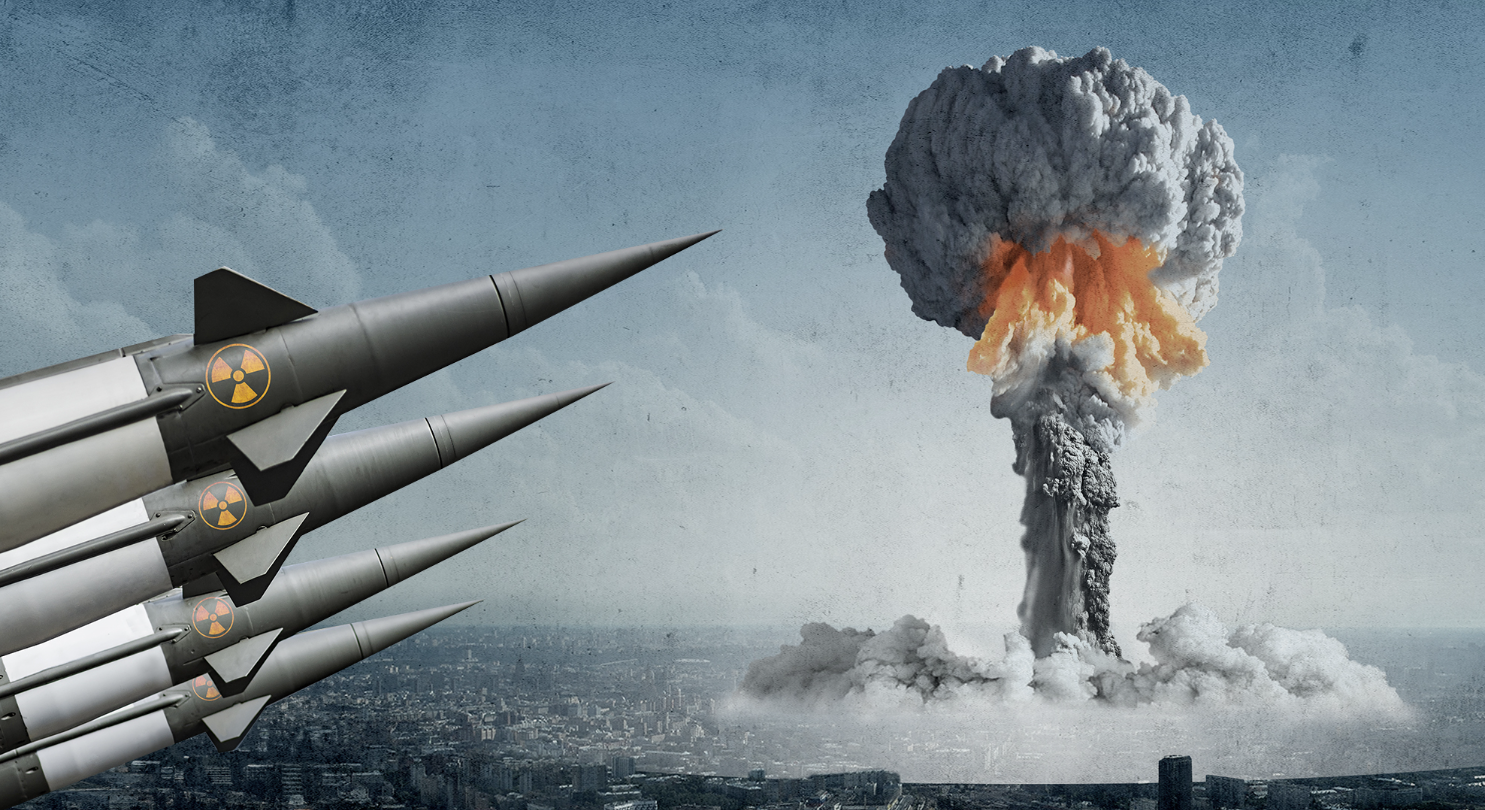

A prominent strategic research organisation has warned that India’s evolving “New Normal” military doctrine may be destabilising nuclear South Asia. During a recent dialogue with international scholars, the institute highlighted how New Delhi’s shifting posture could heighten the risk of escalation in future crises.
India’s ‘New Normal’ Sparks Regional Alarm
Experts at the dialogue argued that India’s “New Normal” aims to justify unilateral military actions. They stressed that the doctrine attempts to normalise rapid escalatory steps under the cover of counterterrorism claims. Consequently, the approach signals a clear departure from earlier crisis management patterns in the region.
Since 2019, this doctrine has shaped India’s security posture. It was reasserted again this year and linked to operations such as Operation Sindoor. Through this policy, India indicates a willingness to use conventional military force in response to alleged cross-border attacks.
Nuclear Deterrence Under Strain
Analysts cautioned that India’s posture implies it will not always be restrained by Pakistan’s nuclear deterrence. As a result, South Asia’s fragile stability may face new pressures. They warned that this mindset challenges the longstanding balance that has prevented major conflict between the two states.
According to the assessment, institutionalising assured military retaliation in a nuclear environment increases the chance of miscalculation. Additionally, India’s reliance on its conventional strength for limited war strategies may further complicate crisis stability.
Pakistan’s Perspective on India’s Escalatory Signalling
Pakistani scholars at the dialogue raised concerns about India’s consistent practice of blaming Pakistan for every violent incident. They argued that India faces numerous separatist and insurgent movements across its own territory. Therefore, using external accusations to justify military action could create dangerous misunderstandings.
They explained that Pakistan’s doctrine of Full Spectrum Deterrence continues to provide stability. Moreover, they noted that Pakistan maintained crisis control during the confrontation in May 2025. They added that Pakistan would deliver a calibrated “Quid Pro Quo Plus” response to any similar action in the future.
Western Assumptions Under Question
The research organisation also examined Western support for India’s military modernisation. It argued that the belief in India as a counterweight to China may be misplaced. According to the assessment, India’s improved capabilities often target Pakistan rather than broader regional challenges.
This view, the institute noted, is frequently overlooked in strategic debates. Yet it remains central to understanding South Asia’s evolving security climate.
Australian Delegation Shares Strategic Outlook
During the dialogue, Australian scholars and officials explained their country’s stance on defence alliances. They highlighted the reasoning behind participation in arrangements such as AUKUS and the Quad. Additionally, they clarified that AUKUS is strictly a trilateral partnership and has no expansion plans.
Although policy discussions sometimes reference potential partners like South Korea, Norway, Canada or India, the delegation emphasised that such ideas remain limited. They also underlined that AUKUS adheres to nonproliferation standards fully aligned with established safeguards.
A Shifting Strategic Landscape
Participants noted that South Asia’s stability depends on controlled and predictable security policies. However, India’s “New Normal” introduces uncertainty. It also blurs the thresholds that previously prevented rapid escalation.
Furthermore, the doctrine may incentivise unilateral steps, which can create pressures for swift retaliation. Therefore, the region faces heightened risks if both sides interpret military moves differently.
Growing Need for Dialogue
Experts concluded that transparent communication remains essential. With nuclear capabilities on both sides, even minor misjudgments carry significant consequences. Thus, ongoing discussions between regional and international experts are vital for reducing misunderstandings.
They stressed that cooperative frameworks and crisis-management channels should remain active. These mechanisms help prevent accidental escalation and preserve regional stability.
Conclusion
India’s “New Normal” doctrine continues to reshape South Asia’s security environment. While New Delhi views this approach as a tool for deterrence and rapid response, neighbouring states perceive it as a destabilising shift. As strategic competition grows, the need for balanced policies and sustained dialogue becomes even more important.
The analysis suggests that without restraint and clarity, the region risks entering a more volatile phase. Therefore, responsible military signalling and consistent diplomatic engagement will play a crucial role in avoiding unintended conflict.
