

Lawmakers Move to Formalize Maritime Oversight Framework
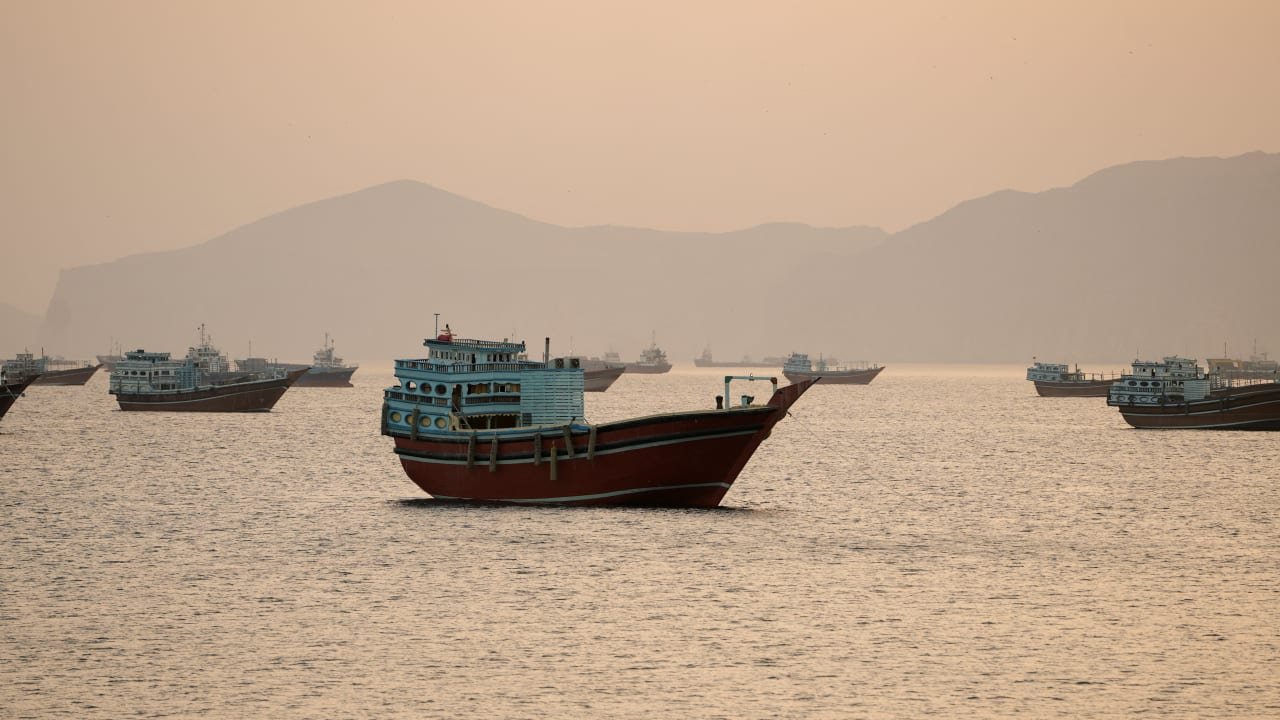
Iran’s parliament is expected to review legislation aimed at formally defining the country’s role in managing and overseeing activities in the Strait of Hormuz, according to senior lawmakers.
Alireza Salimi, a member of the parliament’s presiding board, said lawmakers would soon debate and vote on measures related to the administration of the strategically important waterway.
According to Salimi, parliament intends to finalize key details of the proposed framework through the legislative process.
Furthermore, he emphasized that the Strait of Hormuz is shared between the territorial waters of Iran and Oman, arguing that decisions regarding its management should remain within the authority of the countries directly connected to the waterway.
Salimi also rejected calls from foreign governments regarding the operation of the strait, stating that Iran considers decisions about its management a matter of national sovereignty.
Additionally, he described the proposed measures as long-term policies rather than temporary arrangements.
Regional Consultations and New Maritime Mechanisms Under Discussion
Meanwhile, diplomatic engagement between Iran and Oman has continued alongside parliamentary discussions.
Iranian Foreign Minister Abbas Araghchi and Omani Foreign Minister Badr bin Hamad Al Busaidi recently discussed the future administration of the Strait of Hormuz during a telephone conversation.
According to Iranian officials, the talks focused on governance issues, sovereign responsibilities, and legal frameworks related to the waterway.
Furthermore, parliamentarians have indicated that Tehran is examining new mechanisms for regulating maritime traffic through designated shipping routes.
Earlier statements from Ebrahim Azizi suggested that authorities are considering systems involving specialized maritime services and administrative procedures designed to manage vessel movement.
Supporters of the proposal argue that the framework would strengthen oversight while supporting maritime security and international trade.
Meanwhile, observers note that the Strait of Hormuz remains one of the world’s most strategically important waterways, serving as a critical route for global energy shipments and commercial traffic.
As parliamentary deliberations continue, attention remains focused on how any new legislation could affect regional maritime operations and international shipping activities.

