
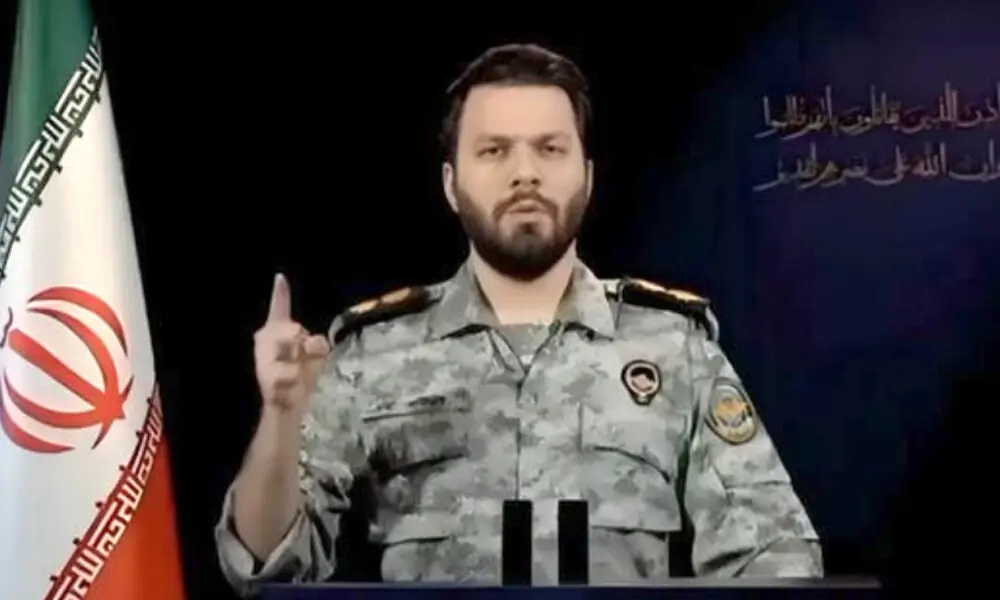

Military rejects Trump’s remarks as tensions over Gulf shipping and frozen funds continue
DUBAI: Iran’s Joint Military Command warned on Tuesday that any company or country accepting Iranian frozen assets as compensation for vessels allegedly damaged by Tehran would not be permitted to transit the Strait of Hormuz, according to Iranian state media.
Military spokesperson Ebrahim Zolfaqari issued the warning in response to comments by US President Donald Trump regarding compensation for ships affected during recent tensions in the Gulf.
According to state media, Zolfaqari rejected Trump’s suggestion that compensation for damaged vessels could be drawn from Iranian frozen assets held abroad. He said Iran would not recognise such an arrangement and warned that recipients of those assets could face restrictions on using the strategically important Strait of Hormuz.
The statement reflects Iran’s position and has not been independently verified.
Dispute centres on frozen Iranian assets
The latest remarks come amid continuing disagreements between Tehran and Washington over sanctions, frozen Iranian funds and maritime security in the Gulf.
Iran has repeatedly argued that its overseas assets remain unlawfully frozen under US-led sanctions, while Washington has maintained economic pressure on Tehran as part of its broader policy towards Iran.
The Strait of Hormuz remains one of the world’s busiest energy shipping routes, carrying a significant share of global oil and liquefied natural gas exports.
Regional tensions remain elevated
The warning follows weeks of heightened military and diplomatic tensions involving Iran, the United States and several Gulf states.
Although no immediate operational changes to commercial shipping were announced, the latest statement underscores the continuing uncertainty surrounding maritime security in the region.
International shipping companies and energy markets continue to monitor developments closely because any disruption to traffic through the Strait of Hormuz could affect global energy supplies and trade.
Neither the United States nor other governments had issued an immediate public response to the Iranian military statement at the time of reporting. The exchange adds to ongoing diplomatic friction over sanctions, regional security and the future of navigation through one of the world’s most strategically important waterways.

