

Iran has linked the reopening of the Strait of Hormuz to Washington meeting conditions outlined in an interim agreement. Top Iranian negotiator Mohammad Bagher Qalibaf made the remarks in comments published by Iranian state media on Tuesday.
According to Qalibaf, the waterway will remain shut until the United States meets the conditions set under the agreement.
The development adds another layer to the ongoing dispute between Tehran and Washington.
Iran Sets Conditions for Reopening Hormuz
Qalibaf told parliament that Iran expects several measures from the United States before reopening the Strait of Hormuz.
These include lifting the blockade of Iranian ports and removing sanctions targeting Iranian oil exports.
Iran also wants the United States to release Tehran’s frozen assets. Additionally, Tehran has demanded an end to threats and military operations on all fronts.
The demands stem from a memorandum of understanding reached between Iran and the United States on June 17.
However, the agreement quickly ran into difficulties over control of the Strait of Hormuz.
Dispute Puts Key Shipping Route Under Pressure
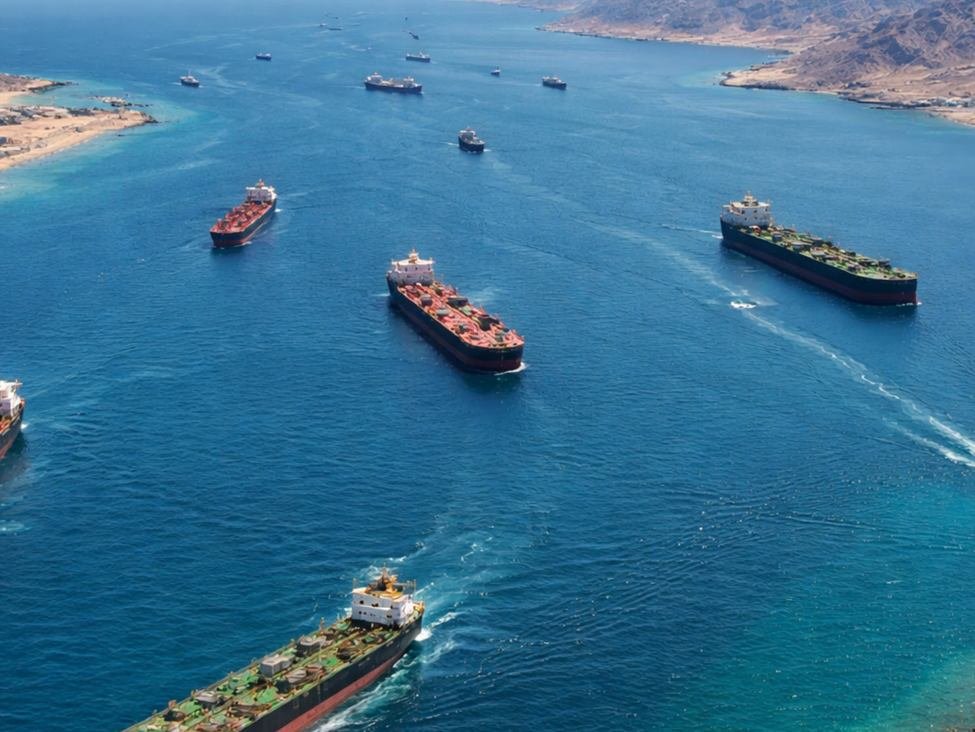
The Strait of Hormuz is a narrow waterway that carries a major share of global oil and liquefied natural gas shipments.
Before the conflict, around one-fifth of global oil and LNG flows passed through the strategic route. Therefore, any prolonged disruption could create wider concerns for energy markets and international shipping.
The dispute over the waterway also contributed to the breakdown of the June agreement. US President Donald Trump later said the deal was “over” on July 7. A week later, Iran’s Foreign Ministry described the agreement as “suspended”.
What Was Agreed Under the Interim Deal?
Under the memorandum, Iran and the United States had agreed to negotiate a final agreement. The proposed deal was expected to address broader issues, including the future of Iran’s nuclear programme.
The negotiations were supposed to conclude within a maximum period of 60 days. However, both sides could extend that period through mutual agreement.
The diplomatic process has since stalled, leaving uncertainty over the future of the agreement.
Iran Signals a Tougher Military Posture
The latest comments also come alongside a reported shift in Iran’s military approach. A senior Iranian official said Tehran would adopt a “fully offensive” posture following stalled diplomatic efforts.
The shift reflects growing frustration over attempts to secure a permanent end to the conflict. Meanwhile, Iran’s position on the Strait of Hormuz adds further pressure to the diplomatic standoff.
For now, Tehran says reopening the waterway depends on Washington meeting its stated conditions.
The situation leaves the future of the strategically important route closely tied to the broader dispute between Iran and the United States.

