

Tensions between Iran and the United States continue to rise despite ongoing diplomatic signals. Iranian leadership has made it clear that peace efforts cannot move forward without concrete actions. Officials say that trust remains the biggest obstacle in achieving lasting stability.
Iranian President Masoud Pezeshkian has openly criticized what he described as contradictions in global diplomacy. In a public statement, he said Iran remains committed to dialogue and peaceful agreements. However, he stressed that repeated violations and pressure tactics undermine genuine negotiations.
He pointed out that threats, sanctions, and blockades create an environment where trust cannot develop. According to him, the global community is closely watching the gap between political statements and real actions. He suggested that credibility is now a key issue in international diplomacy.
Ceasefire Linked to End of Blockade
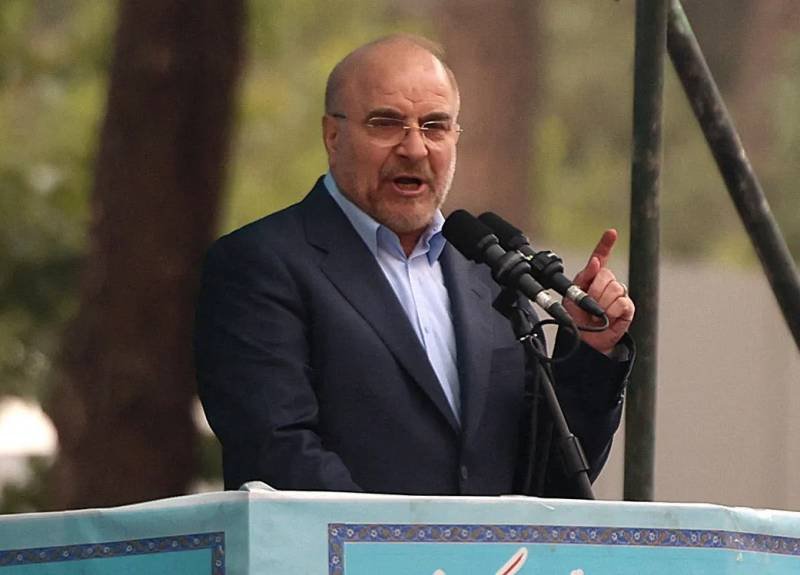
Iran’s position has been reinforced by senior leadership in parliament. Mohammad Bagher Ghalibaf, who is also a leading figure in negotiations, stated that a ceasefire holds no value if restrictions remain in place.
He emphasized that the ongoing United States naval blockade of Iranian ports directly violates the spirit of any ceasefire agreement. According to him, such actions make it impossible to build confidence between the two sides.
Ghalibaf warned that reopening critical trade routes depends entirely on removing these restrictions. He specifically highlighted the importance of the Strait of Hormuz, a vital global shipping route.
Strategic Importance of the Strait of Hormuz
The Strait of Hormuz remains one of the most important energy corridors in the world. A large portion of global oil supply passes through this narrow waterway. Any disruption can have serious consequences for international markets.
Iran has signaled that it will not allow normal operations in the strait if pressure continues. Officials argue that restricting their exports while expecting compliance is unrealistic. They believe economic pressure is being used as a negotiation tool.
Iran’s Conditions for Future Talks
Iranian officials have outlined clear conditions for resuming meaningful dialogue. These include:
- Immediate end to the naval blockade
- Respect for previously agreed commitments
- Removal of economic and trade restrictions
- Recognition of Iran’s sovereignty and security concerns
They insist that negotiations must be based on mutual respect. Without these steps, talks are unlikely to produce results.
Diplomatic Signals Remain Mixed
Despite the strong statements, Iran has not completely closed the door to diplomacy. Leaders continue to say that dialogue remains an option. However, they stress that timing depends on whether conditions improve.
President Pezeshkian reiterated that diplomacy is a tool to secure national interests. He said Iran will engage when there is a realistic chance of progress. Until then, the country will focus on protecting its economic and security priorities.
Global Reactions and Uncertainty
The situation has created uncertainty across global markets and diplomatic circles. Analysts believe the standoff could impact energy prices and regional stability. The lack of trust between both sides continues to delay any breakthrough.
Observers note that both countries are sending mixed signals. While there is talk of negotiations, actions on the ground suggest continued confrontation.
The future of negotiations now depends on whether tensions can be reduced. Iran has made it clear that symbolic gestures are not enough. Concrete steps are required to rebuild confidence.
The coming days will be critical. Any shift in policy could either open the door to dialogue or deepen the current crisis. For now, the situation remains fragile, with both sides holding firm positions.

