
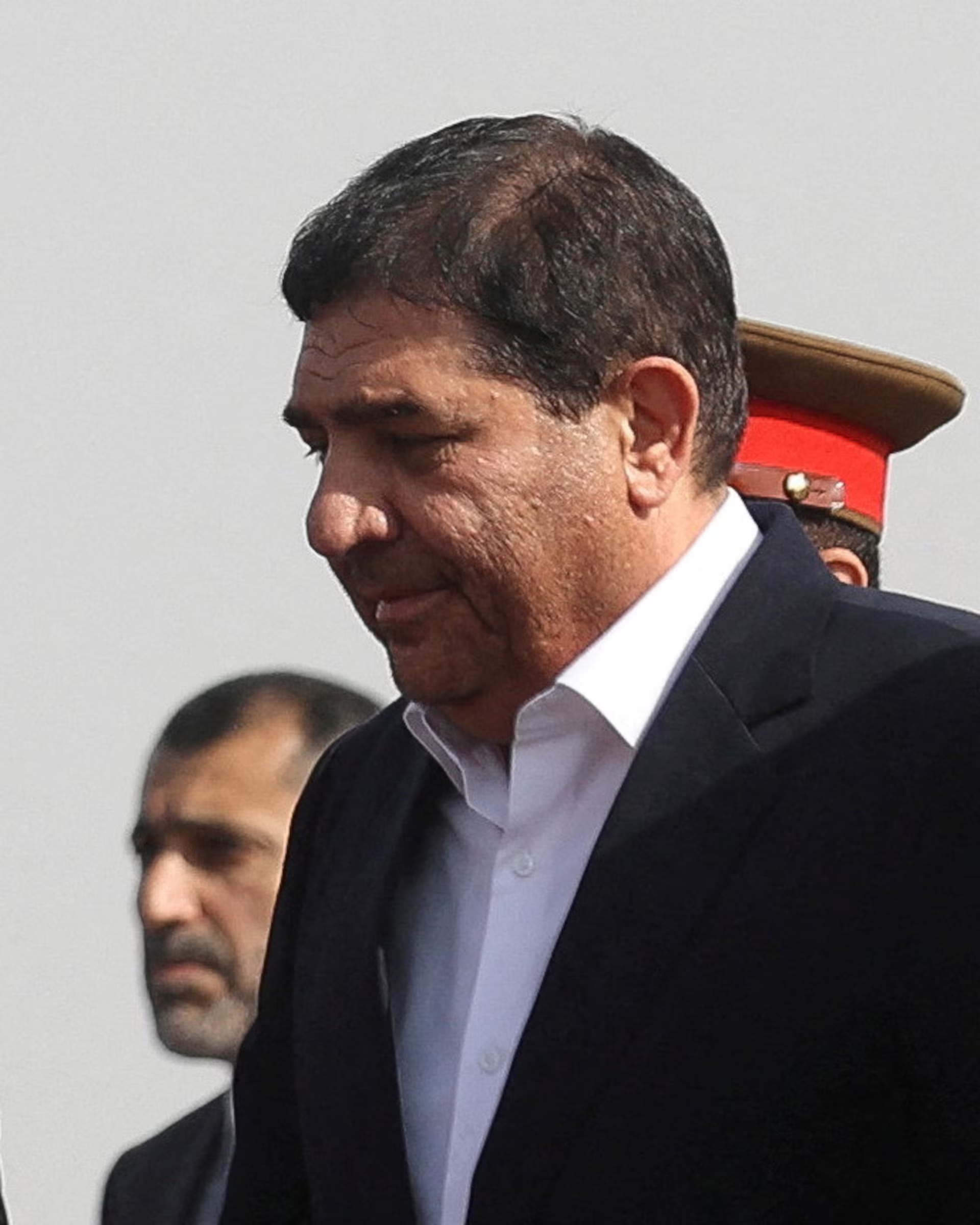

Tehran-linked narrative argues failure to meet Iranian conditions could intensify conflict and weaken reliance on US Gulf security guarantees
TEHRAN: Iran’s leadership is signalling that it could escalate the regional conflict if its conditions remain unmet, while promoting a new economic and security framework centred on the Strait of Hormuz as an alternative to Washington-backed arrangements. Former Vice President and adviser to the current supreme leader Muhammad Mokhbar in his tweet has somewhat owned up to Iranian readiness to escalate if the stalemate continues and Iran conditions are not met.
According to his Tweet; the emerging position portrays continued military pressure as a strategic instrument intended to reshape negotiations and alter the regional balance of power. Consequently, Tehran appears to be linking any lasting settlement to broader changes in Gulf security and economic relations.
Iranian officials and supporters of this approach argue that recent hostilities have exposed vulnerabilities in the United States’ ability to shield its regional partners from missile, drone and maritime threats.
Tehran Challenges Existing US Security Architecture
Under this argument, continued dependence on American military guarantees would leave Gulf countries exposed to recurring confrontation whenever tensions between Washington and Tehran escalate.
Therefore, Iran is presenting regional cooperation rather than external military protection as a potentially more durable security model.
However, such claims remain contested. Washington maintains extensive military capabilities across the region, while Gulf governments continue to maintain significant defence relationships with the United States and other international partners.
Nevertheless, prolonged instability could encourage regional governments to reassess how they balance these relationships.
Hormuz Mechanism Emerges as Alternative Vision
Meanwhile, Tehran is advocating an economic-security mechanism built around the Strait of Hormuz, one of the world’s most important energy corridors.
The proposed approach would place regional states at the centre of arrangements governing navigation, economic cooperation and collective security while reducing dependence on external military guarantees.
Supporters argue that shared economic interests could provide stronger incentives for stability than competing military alliances.
Yet implementation would require considerable political trust among Iran and its Gulf neighbours.
Ultimately, Tehran’s strategy appears designed to force that debate through pressure: either its conditions receive consideration through negotiations, or continued escalation could increase the economic and security costs of preserving the existing regional order.
راهبرد قطعی رهبری مبنی بر تهاجمی شدن جنگ در صورت تحقق نیافتن شرایط ایران، بدون شک معادلات قدرت را درجهان دگرگون میکند.
با اثبات ناتوانی آمریکا از محافظت متحدانش در خلیج فارس، پایدارترین راهِ نظم جدید در منطقه، اجرای سازِکار اقتصادی-امنیتی هرمز، مستقل از تضمین نظامی واشنگتن است.— محمد مخبر (@MokhberOfficial) August 13, 2026

