

Iran has outlined strict preliminary conditions for a possible ceasefire with the United States and Israel. Reports suggest that these demands include control over key strategic routes, financial compensation, and no limits on military capabilities.
The proposed conditions reflect Iran’s firm stance during ongoing tensions. Although officials have not formally confirmed the list, the reported demands highlight major challenges for any future negotiations. Experts believe the gap between both sides remains wide.
The situation continues to impact global stability. Markets, energy supplies, and diplomatic efforts remain closely linked to developments in the region.
Iran Demands Control of Strait of Hormuz
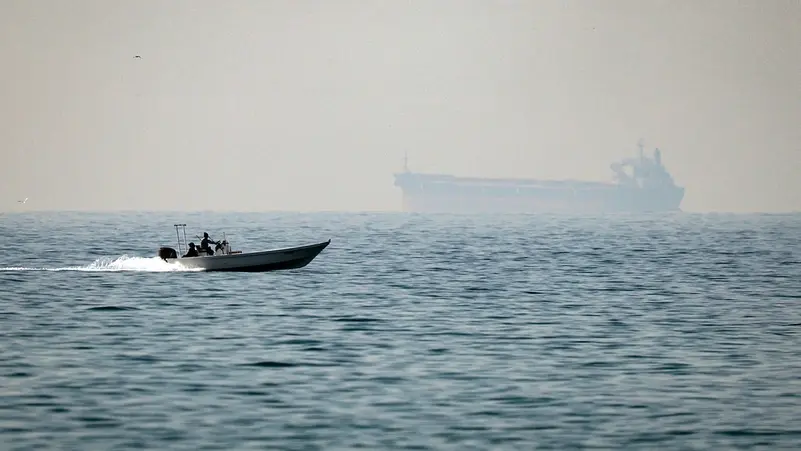
One of the key demands involves full control over the Strait of Hormuz. This waterway is one of the most important global النفط routes. Nearly one-fifth of the world’s oil supply passes through it.
Iran considers the strait vital for its national security. Control over this route would give Tehran significant influence over global energy markets. Therefore, this demand is likely to face strong opposition from Western countries.
In recent months, tensions in the strait have disrupted shipping routes. As a result, energy prices have fluctuated. Any decision about control will have global economic effects.
No Limits on Missile Program and Security Guarantees
Iran has also rejected any restrictions on its missile program. The country views its ballistic missiles as a key part of its defense strategy. Western nations have long criticized this program. However, Iran insists it will not compromise on this issue.
In addition, Iran is seeking strong security guarantees. It wants assurances that no future attacks will target its territory. These guarantees would need to be legally binding.
Such demands complicate negotiations. The United States and its allies have different security concerns. Therefore, reaching an agreement will require careful diplomacy.
Compensation Demand and Negotiation Challenges
Another major demand is financial compensation for wartime damages. Iran believes it deserves payment for losses caused by recent conflicts. This request adds another layer of complexity to talks.
Negotiations are still in early stages. No formal agreement has been reached so far. However, these preliminary conditions show what Iran may push for in future discussions.
Experts warn that reaching a ceasefire will not be easy. Differences between both sides remain significant. Still, diplomatic efforts continue as global powers seek stability.
Overall, the situation remains uncertain. Developments in the coming weeks will be crucial. The outcome could shape regional security and global energy markets.

