
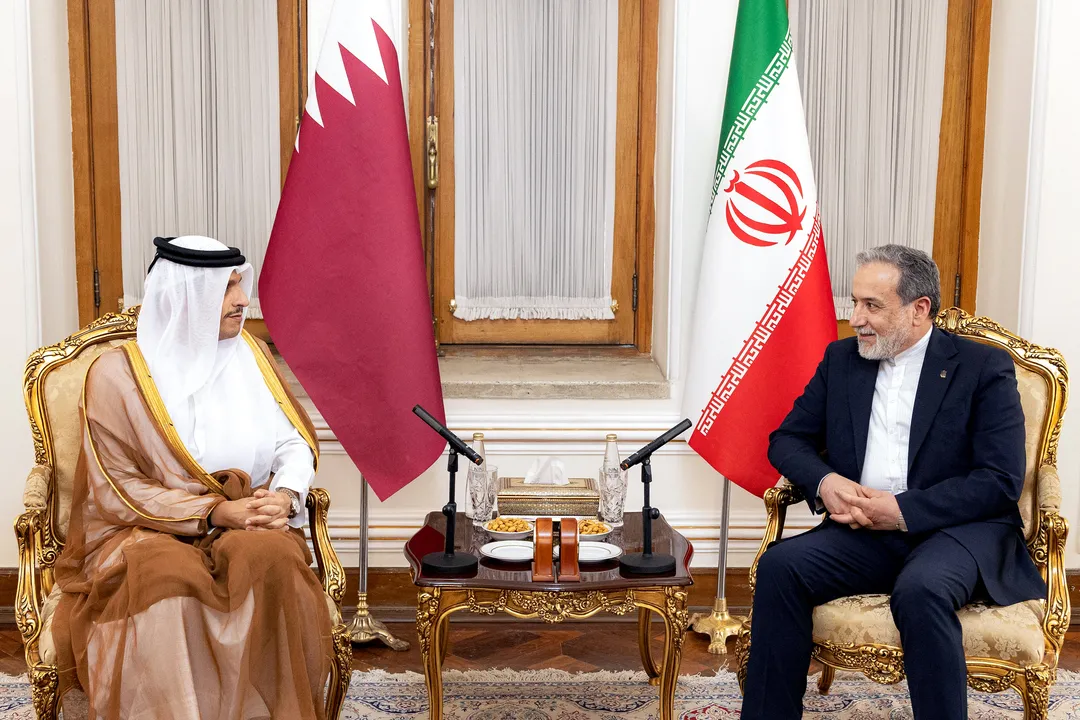

Oil Minister Mohsen Paknejad says Tehran continues selling and delivering crude abroad despite reduced volumes and mounting pressure
TEHRAN: Iran continues to sell and deliver oil in “distant waters” despite a reduction in shipments, Iranian Oil Minister Mohsen Paknejad said, according to state media.
Paknejad said Iranian oil exports had not stopped, indicating that Tehran continues to maintain overseas energy trade despite difficulties affecting sales and deliveries. However, he acknowledged that volumes had declined.
The minister did not provide figures showing the scale of the reduction or identify the destinations receiving Iranian oil. Moreover, he did not elaborate on the routes or mechanisms Tehran currently uses to complete deliveries.
His comments come as Iran’s energy sector remains under significant external pressure, making the continuation of crude exports an important source of revenue for the country.
Tehran Maintains Overseas Oil Deliveries
Paknejad’s remarks suggest Iranian authorities continue finding ways to move crude to international customers despite restrictions affecting normal commercial operations.
However, the acknowledged reduction highlights the challenges facing Tehran as it attempts to maintain exports and secure revenue from its energy sector.
Iran possesses some of the world’s largest proven oil and natural gas reserves, making petroleum exports a crucial component of its economy and an important source of foreign currency.
Consequently, any prolonged decline in overseas shipments could place additional pressure on government revenues and broader economic activity.
Minister Gives No Figures on Export Decline
Meanwhile, Paknejad stopped short of revealing current export volumes or comparing them with levels recorded before the latest reduction.
He also provided no details about buyers receiving Iranian crude in distant markets or whether Tehran expects deliveries to recover.
Nevertheless, his statement appeared aimed at signalling that Iran’s international oil trade remains operational despite reduced activity.
The continuation of deliveries will remain closely watched because oil revenues play a central role in Iran’s ability to finance imports and manage its economy.
Paknejad’s comments also underline Tehran’s determination to preserve access to overseas energy markets while navigating mounting economic and logistical pressures.

