
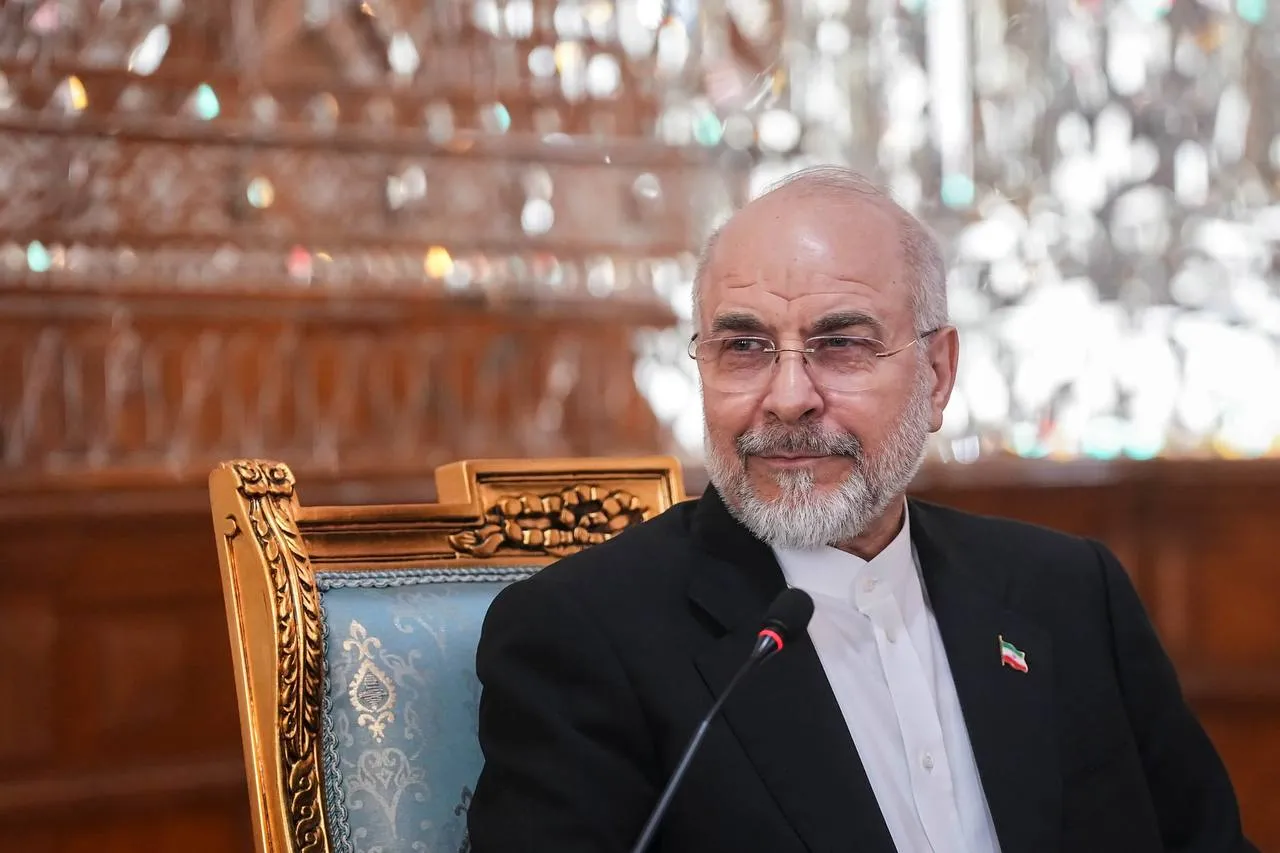

Parliament speaker outlines maritime framework and sanctions objectives
Iranian Parliament Speaker Mohammad Bagher Ghalibaf has said Tehran and Oman have reached an agreement on the legal framework governing maritime services in the Strait of Hormuz, while reaffirming that Iran will retain full sovereignty over the strategically important waterway.
Speaking on the issue, Ghalibaf stated that both countries had finalised legal and service-related arrangements concerning maritime operations in the strait. However, he stressed that the agreement does not reduce or transfer Iran’s authority over its territorial waters.
According to Ghalibaf, the memorandum of understanding introduces only a temporary 60-day exemption from maritime service fees while negotiations continue on broader regional arrangements. He emphasised that the framework concerns administrative services and should not be interpreted as limiting Iran’s sovereign rights.
Furthermore, he rejected suggestions that the agreement reflected any reduction in Iranian control, asserting that Tehran would continue to exercise full authority over the waterway.
Tehran links future negotiations to sanctions relief
Ghalibaf also described the Strait of Hormuz as one of Iran’s most significant strategic assets, calling it a vital source of national strength. He said Iran would continue safeguarding its interests in the waterway and would not accept attempts by external powers to challenge its position.
Additionally, he accused the United States of attempting to create controversy by portraying Iran as militarising the strait. He insisted that Iran would never retreat from its stance regarding sovereignty over the passage.
Turning to the broader diplomatic process, Ghalibaf said the current 60-day timeline outlined in the memorandum of understanding could be extended if necessary. He added that negotiations would continue until all primary and secondary United States sanctions, as well as sanctions imposed through the United Nations Security Council, are lifted.
The Strait of Hormuz remains one of the world’s most critical maritime routes, carrying a significant share of global oil and energy exports. Consequently, developments surrounding its administration and security continue to attract close international attention as diplomatic negotiations between Iran and the United States progress.
⭕️ Iran’s Parliament Speaker Mohammad Bagher Ghalibaf says Tehran has reached agreement with Oman on the legal framework for administering maritime services in the Strait of Hormuz, while insisting Iran will retain full sovereignty over the strategic waterway.
🔹 Ghalibaf said… pic.twitter.com/6C7gwj4DGQ
— Drop Site (@DropSiteNews) July 1, 2026

