
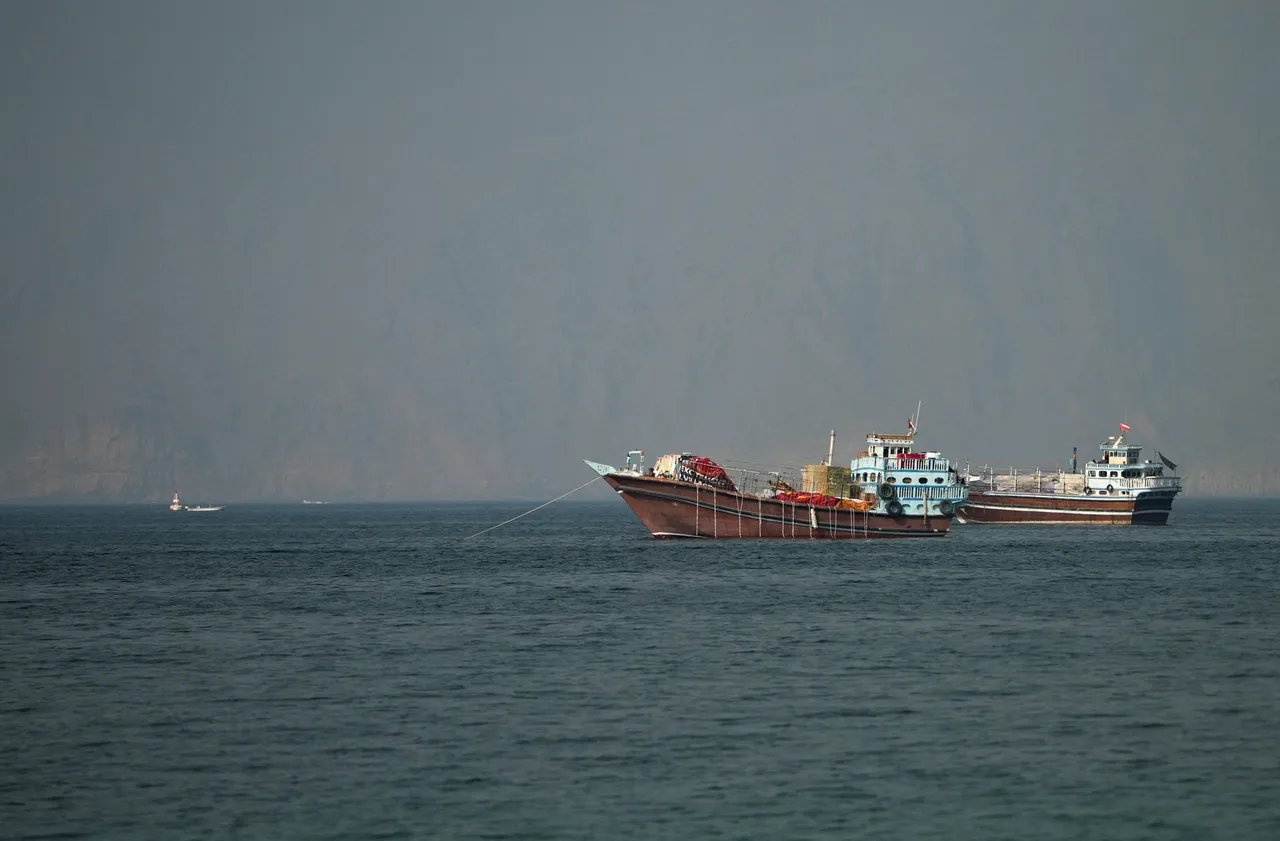

Tehran insists mine-clearing authority rests solely with Iran under Islamabad memorandum as tensions over maritime security continue
Iran has rejected a French-backed proposal for cooperation on demining the Strait of Hormuz, insisting that all mine-clearing operations in the strategic waterway remain exclusively under Iranian authority.
Deputy Foreign Minister for Legal and International Affairs Kazem Gharibabadi said on Monday that the Islamabad Memorandum of Understanding assigns responsibility for demining and navigation coordination solely to Iran as a coastal state. He stressed that Tehran would not permit any parallel arrangements or foreign participation in mine-clearing activities.
Gharibabadi also warned France against what he described as actions that could further complicate the already fragile security situation in the Strait of Hormuz.
“We strongly advise France not to make the situation more complicated with its provocations,” he said in a statement posted on social media.
France, Oman announce maritime cooperation
The Iranian response followed remarks by French President Emmanuel Macron after talks in Paris with Oman’s Sultan Haitham bin Tariq during the Omani leader’s first official visit to France.
Macron said France and Oman had agreed to cooperate with international partners on demining operations aimed at securing commercial shipping lanes and ensuring what he described as free and unconditional navigation through the strategic waterway.
However, Tehran rejected the proposal, maintaining that responsibility for navigation management and maritime security arrangements under the interim framework remains exclusively with Iranian authorities.
Strategic waterway remains under close scrutiny
The Strait of Hormuz continues to play a central role in regional diplomacy following months of conflict that disrupted global energy shipments and commercial navigation.
Iran has repeatedly argued that Article 5 of the Islamabad Memorandum governs temporary navigation procedures, maritime coordination and demining efforts, leaving implementation under Iranian supervision.
Although diplomatic efforts have helped restore some commercial traffic through the vital shipping corridor, security concerns persist as regional powers continue discussions over long-term stability and freedom of navigation.
The latest exchange highlights ongoing differences between Tehran and Western governments over responsibility for safeguarding one of the world’s most important energy transit routes.

