
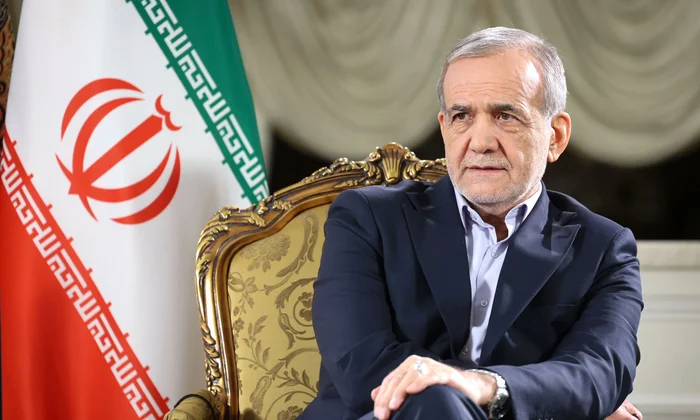

President Cites Loss of Authority in Resignation Request
Iranian President Masoud Pezeshkian has reportedly submitted an official resignation letter, citing an inability to fulfill his constitutional responsibilities.
According to sources familiar with the matter, the president informed the Office of the Supreme Leader that key government decisions are no longer being made through elected institutions.
The reported letter states that the administration has been sidelined from major policy and governance matters. As a result, Pezeshkian believes he can no longer effectively lead the government or implement his agenda.
The development has sparked fresh speculation about growing divisions within Iran’s political establishment and the future direction of the country’s leadership.
Deepening Rift Highlights Growing Influence of Military Power Centers
Sources indicate that Pezeshkian expressed concern over the expanding influence of hardline factions within the Islamic Revolutionary Guard Corps.
The reported resignation letter argues that the absence of meaningful government authority has created space for military-linked power centers to dominate critical state affairs.
Political observers view the move as a sign of escalating tensions between the civilian administration and Iran’s powerful security institutions.
For months, reports have suggested increasing friction between the government and military-security bodies over domestic governance, foreign policy and strategic decision-making.
The latest developments point to what analysts describe as one of the most significant internal political disputes in recent years.
Uncertainty Grows Over Leadership and Future Policy Direction
It remains unclear whether the resignation request will be accepted.
Attention is now focused on the response from Iran’s highest leadership circles and the potential political consequences of such a decision.
Sources say the ongoing power struggle has contributed to administrative paralysis within the government. Important reforms have reportedly stalled, while efforts to advance diplomatic initiatives have faced repeated obstacles.
The situation has also complicated plans for cabinet restructuring and broader governance changes.
If confirmed, the resignation could mark a major turning point in Iran’s political landscape. It would also raise new questions about the balance of power between elected institutions and influential security organizations.
The reported move comes at a sensitive time for Iran as it faces economic pressures, regional challenges and ongoing international scrutiny. Political analysts say the coming days could prove crucial in determining the country’s next course.

