

Analysts say Tehran remains open to negotiations over conflict but insists on retaining control of Strait of Hormuz
TEHRAN: Iran is preparing for prolonged economic pressure, possible renewed fighting with the United States and potential domestic unrest while keeping negotiations open under its own conditions, according to international analysts.
The Institute for the Study of War assessed that hardliners within Iran’s Supreme National Security Council could support an agreement if Washington accepted Tehran’s demands, particularly continued Iranian control of the Strait of Hormuz.
Reports have suggested IRGC commander Ahmad Vahidi maintained indirect contacts with Washington and favoured resolving the confrontation through negotiations. However, a senior Iranian official said Monday that Tehran was moving towards a “fully offensive” posture following the collapse of diplomatic efforts.
Hormuz Remains Central to Diplomatic Deadlock
Iran has warned that it could escalate military operations across the Strait of Hormuz and wider region if diplomacy fails, including action aimed at breaking the US naval blockade.
Meanwhile, the dispute over Hormuz remains a fundamental obstacle. Tehran maintains that commercial vessels must coordinate passage with Iranian authorities, while Washington has demanded unrestricted navigation.
The breakdown has intensified pressure on Iran’s economy. Reported annual inflation exceeds 80%, while medicine prices and transportation costs have increased substantially.
Consequently, First Vice President Mohammad Reza Aref has urged authorities to prepare for “worst-case scenarios” as economic pressure continues.
Security Preparations Signal Concern Over Fresh Unrest
At the same time, analysts point to Tehran’s security preparations as evidence that authorities anticipate renewed domestic demonstrations.
The appointment of former IRGC intelligence chief Hossein Taeb to command the Basij paramilitary force has attracted particular attention because of his previous role during major protests.
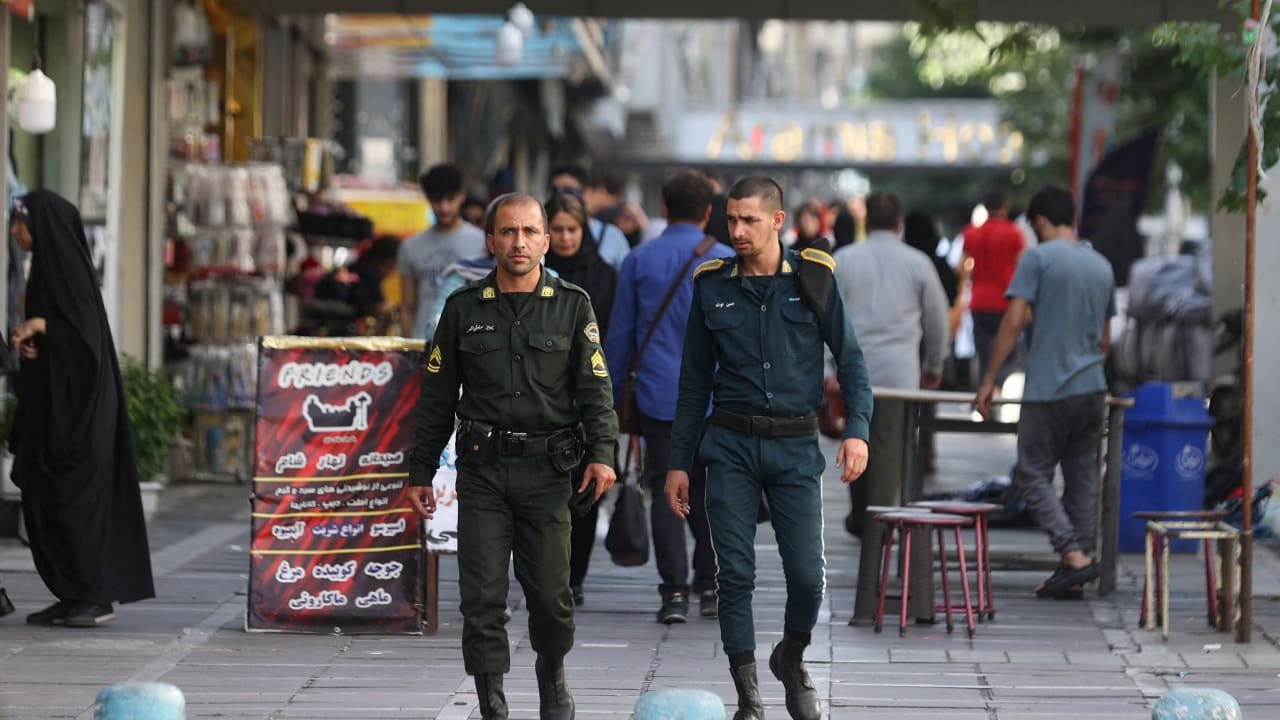
Furthermore, reports indicate authorities have intensified enforcement against businesses, students and women accused of violating state regulations.
Analysts therefore believe Tehran is simultaneously preparing to withstand economic pressure, suppress potential unrest and resume military operations if negotiations fail.
However, Iranian officials continue signalling that diplomacy remains possible if Washington accepts Tehran’s principal conditions.

