
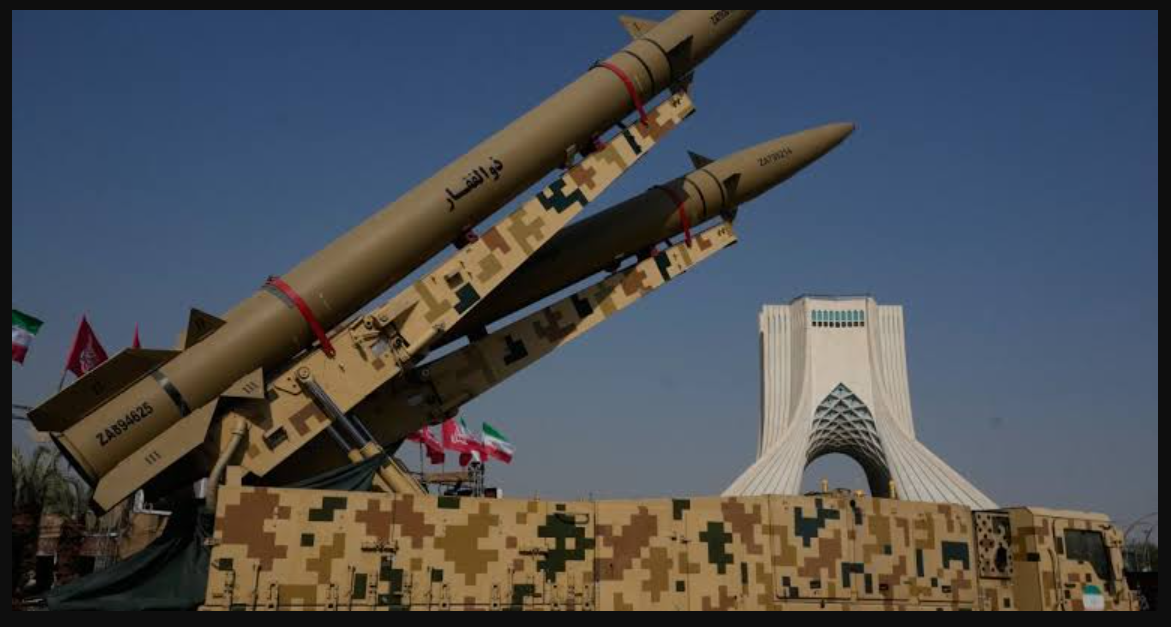

Iran has issued a strong warning to neighbouring countries against joining the United States’ economic campaign. Tehran has threatened to target the interests of countries that cooperate with Washington. It also warned that Gulf oil exports could face disruption.
The warning came from Mohsen Rezaee, secretary of Iran’s Supreme National Security Council. He said neighbouring countries should avoid participating in the US economic campaign against Tehran.
“We tell all neighbouring countries not to participate in the economic war with the US; otherwise, we will consider them an enemy,” Rezaee said.
He added that Iran did not seek to expand the conflict. However, he warned that Tehran would respond if neighbouring countries joined Washington’s economic campaign.
“We are not seeking to expand the war, but if the countries surrounding Iran join the Americans in the economic war, we will strike their interests,” he said.
Iran Warns Against Cooperation With Washington
Rezaee further warned that cooperation with the United States could have consequences for oil exports from the Gulf.
He said that Iran could prevent oil shipments through the Gulf and the Strait of Hormuz if neighbouring countries supported Washington.
“If neighbouring countries cooperated with the US campaign, “not a single drop of oil will leave the Gulf or the Strait of Hormuz,” Rezaee warned.
He also said Iran could target other routes used to transport oil from the Gulf. Therefore, his remarks added another layer of uncertainty to the region’s already tense energy situation.
Rezaee also issued a direct warning to US President Donald Trump.
“If Trump wants to take action, we will respond in kind with earthquake-like force,” he said.
The Iranian official also disputed US claims about the Strait of Hormuz. He maintained that the strategic waterway remains closed.
According to Rezaee, the Strait will not reopen until Washington changes its approach toward Tehran.
“This time, it is the United States that must first fulfil its commitments,” he said.
Strait of Hormuz Remains at the Centre of Tensions
The Strait of Hormuz remains central to the dispute between Iran and the United States.
Rezaee said Iran controls more than 50 percent of the Gulf coastline. Therefore, he argued that Tehran should manage the strategic waterway.
The Strait serves as a critical route for global oil and gas shipments. Consequently, any disruption could create wider concerns for energy markets and regional trade.
Rezaee said Iran wants the conflict in West Asia to end. He also said Tehran “stands against warmongers around the world.”
However, his warning showed that Iran remains prepared to respond strongly to further economic pressure.
Trump Announces Expanded Economic Pressure
The Iranian warning follows Donald Trump’s announcement of a major new economic campaign against Tehran.
Trump said Washington would launch “the most crushing economic operation ever taken against any country.”
He described the campaign as “Economic Warfare and Isolation on an unprecedented scale.”
The US president has also warned countries that continue providing economic support to Iran. Washington has indicated that businesses and financial institutions supporting Tehran could face consequences.
Against this backdrop, Iran’s warning to neighbouring countries raises the stakes across the region.
Tehran appears determined to discourage neighbouring states from supporting Washington’s economic measures. At the same time, the Iranian leadership has continued to leave room for diplomacy.
Iran-US Talks Face Fresh Uncertainty
Iran and the United States signed a memorandum of understanding in June through Pakistani and Qatari mediation.
The agreement ended hostilities that began in February and created a framework for negotiations toward a final agreement.
However, talks have since stalled. The two sides remain divided over implementation of the memorandum.
They also face disagreements over arrangements for navigation through the Strait of Hormuz.
The latest statements could further complicate efforts to revive negotiations. Nevertheless, both sides have continued to discuss the possibility of resolving their differences through diplomatic channels.
For now, the Strait of Hormuz remains a major point of contention. Iran’s latest warning also shows how closely regional security has become linked to economic pressure and energy exports.

