

Iran has rejected renewed diplomatic efforts and instead projected military strength, escalating tensions with the United States. Officials in Tehran ignored calls linked to Donald Trump to reopen the strategic Strait of Hormuz, while also sidelining ongoing peace negotiations.
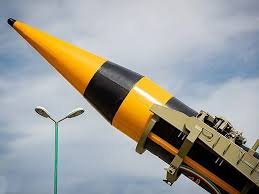
Instead, Iranian authorities organized a public demonstration featuring a medium-range missile transported through a crowded street. Large groups gathered as the display unfolded, signaling what analysts interpret as a deliberate show of force. The move comes amid heightened friction following recent US military and economic actions.
Moreover, Iranian officials view the American blockade as a violation of an existing ceasefire framework. This perception has shaped Tehran’s increasingly assertive posture in recent days. According to an analyst reportedly close to Mohammad Bagher Ghalibaf, Iran considers itself in a position where it cannot accept externally imposed terms.
Consequently, the analyst argued that military action may become the appropriate response to continued pressure. This stance reflects a broader narrative within Iran’s leadership, which frames the situation as a matter of sovereignty and resistance.
Meanwhile, observers note that the public missile display serves both domestic and international audiences. On one hand, it reinforces internal unity and resolve. On the other, it sends a clear signal to adversaries about Iran’s willingness to escalate if necessary.
However, the rejection of negotiations raises concerns about diminishing diplomatic pathways. As tensions persist, analysts warn that symbolic actions could quickly translate into direct confrontation, further destabilizing the region.

