

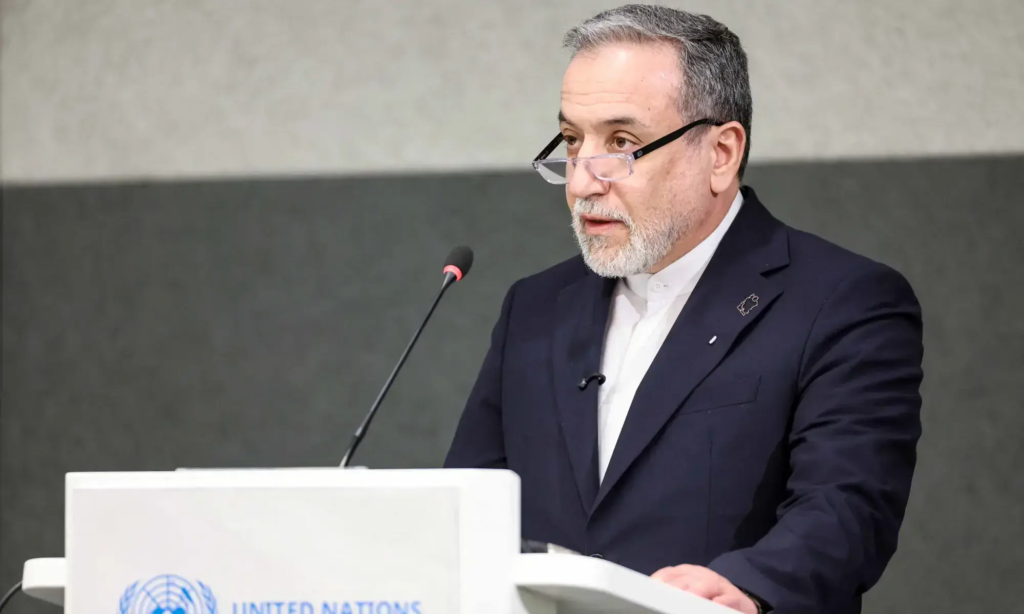
Iranian Foreign Minister Abbas Araghchi pushed back strongly against reports that Tehran had refused to hold talks in Islamabad. He made it clear that Iran never turned down Pakistan’s offer and actually feels grateful for Islamabad’s efforts to bring the two sides together.
In a post on X, Araghchi said the US media had twisted Iran’s position. “We are deeply grateful to Pakistan for its efforts and have never refused to go to Islamabad,” he wrote. What matters most to Iran, he added, are the exact terms and conditions for ending the illegal war forced upon his country.
Pakistan’s Deputy Prime Minister and Foreign Minister Ishaq Dar welcomed the clarification right away. He replied on social media, thanking Araghchi and calling him a dear brother. This quick exchange helped keep diplomatic channels alive at a time when progress toward talks had slowed down.
The development came one day after The Wall Street Journal reported that Iran had declined talks in Islamabad because of disagreements over US demands. Pakistani officials have been quietly relaying messages between Washington and Tehran for weeks. They continue to encourage both sides to sit down and find a way forward.
On the same day, Ishaq Dar held separate phone calls with the foreign ministers of Egypt and Bahrain. In both conversations, he stressed the urgent need for de-escalation and stronger support for dialogue. He also highlighted the Pakistan-China five-point initiative aimed at bringing peace and stability to the Gulf and Middle East.
Bahrain’s Foreign Minister appreciated Pakistan’s role and agreed to stay in close touch. The talks took place as the UN Security Council delayed a vote on a Bahrain-backed resolution about maritime security in the Strait of Hormuz. Diplomats say major powers remain divided, which makes any quick agreement difficult.
Iran’s Speaker of Parliament, Mohammad Bagher Ghalibaf, also spoke out. He told Al Jazeera that Tehran remains open to bilateral and multilateral talks with its neighbours. He said the region should build security arrangements without outside interference, especially from the US and Israel.
For now, the back-and-forth shows that the door for talks has not closed completely. Still, any real breakthrough will depend on whether both sides can agree on fair terms to stop the fighting.

