
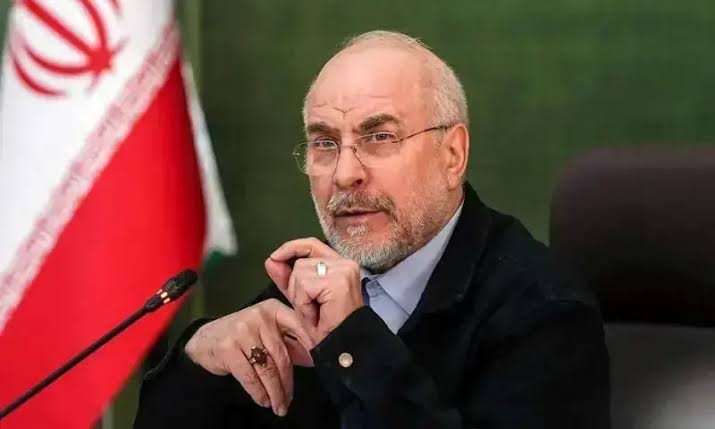

Iranian Parliament Speaker Mohammad Bagher Ghalibaf has described the country’s economic struggle as more critical than military, cyber or psychological conflict.
Speaking on Tuesday, Ghalibaf said Iran’s government must focus on protecting people’s jobs, income and daily lives from the impact of sanctions and wider conflict. He said economic pressure had become the country’s most important front.
Ghalibaf stressed that government decisions should minimise the burden on ordinary citizens. He said public livelihoods should be among the last areas affected by sanctions, war or other external pressures.
He also said the welfare of citizens and the needs of Iran’s armed forces must remain central to national decision-making.
The comments come as Iran continues to face economic pressure linked to sanctions, geopolitical tensions and regional instability. Rising costs, trade restrictions and financial isolation have placed additional strain on households and businesses.
Ghalibaf’s remarks suggest Tehran is increasingly treating economic resilience as a national security priority rather than only a financial issue.
Meanwhile, US President Donald Trump has questioned claims that China and Russia are providing meaningful support to Iran.
Trump said he had seen reports suggesting Beijing and Moscow were assisting Tehran. However, he expressed doubt that any significant support was being provided.
He added that even if assistance existed, it would likely remain limited because both countries had much to lose from deeper involvement.
Trump had made similar comments earlier in the year, warning that direct support for Iran could bring serious consequences.
The latest statements highlight how economic pressure has become increasingly central to the wider confrontation involving Iran, sanctions and regional security.
For Tehran, protecting household income and maintaining economic stability may now be as important as defending against conventional military threats.

