
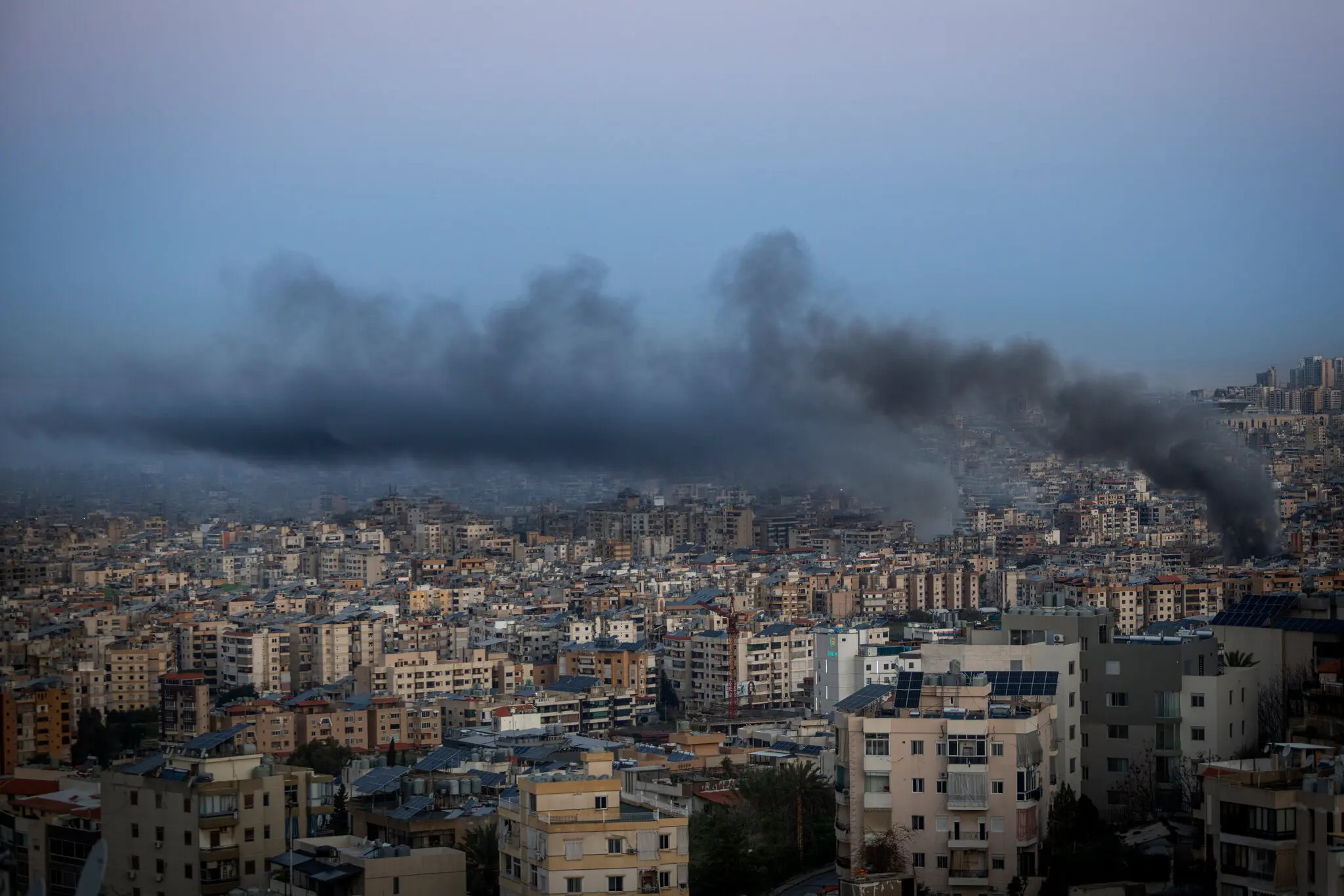

Iran and Israel halted exchanges of fire on Monday after several rounds of attacks. The pause eased immediate concerns about a wider regional conflict. However, both sides left open the possibility of future military action.
Trump Urges Both Sides to End Hostilities
The latest confrontation marked the first direct exchange of attacks since April. Consequently, regional tensions increased and raised fears of further escalation. The developments also placed pressure on ongoing efforts to maintain stability.
US President Donald Trump intervened during the hourslong exchange of fire. He called on both countries to stop military actions immediately. Furthermore, he stressed the importance of preventing additional violence in the region.
Trump stated that Iran and Israel both wanted an immediate ceasefire. Therefore, he urged leaders to seize the opportunity for de-escalation. His remarks came as diplomatic efforts sought to prevent a broader conflict.
Ceasefire Remains Fragile Despite Calm
Although the exchanges ended, uncertainty continues to surround the situation. Officials have not ruled out the possibility of renewed attacks. As a result, regional observers remain cautious about the durability of the pause.
The temporary halt has provided some relief to international stakeholders. Nevertheless, concerns persist about the fragile nature of the ceasefire. Analysts believe any new incident could quickly reignite tensions.
Meanwhile, diplomatic channels remain active as governments encourage restraint. Several countries continue supporting efforts aimed at preserving regional stability. In addition, international leaders have urged both sides to avoid actions that could undermine peace.
The latest developments highlight the volatility of relations between Iran and Israel. While the current pause has reduced immediate risks, the situation remains uncertain. Therefore, regional and global powers continue monitoring events closely.

