

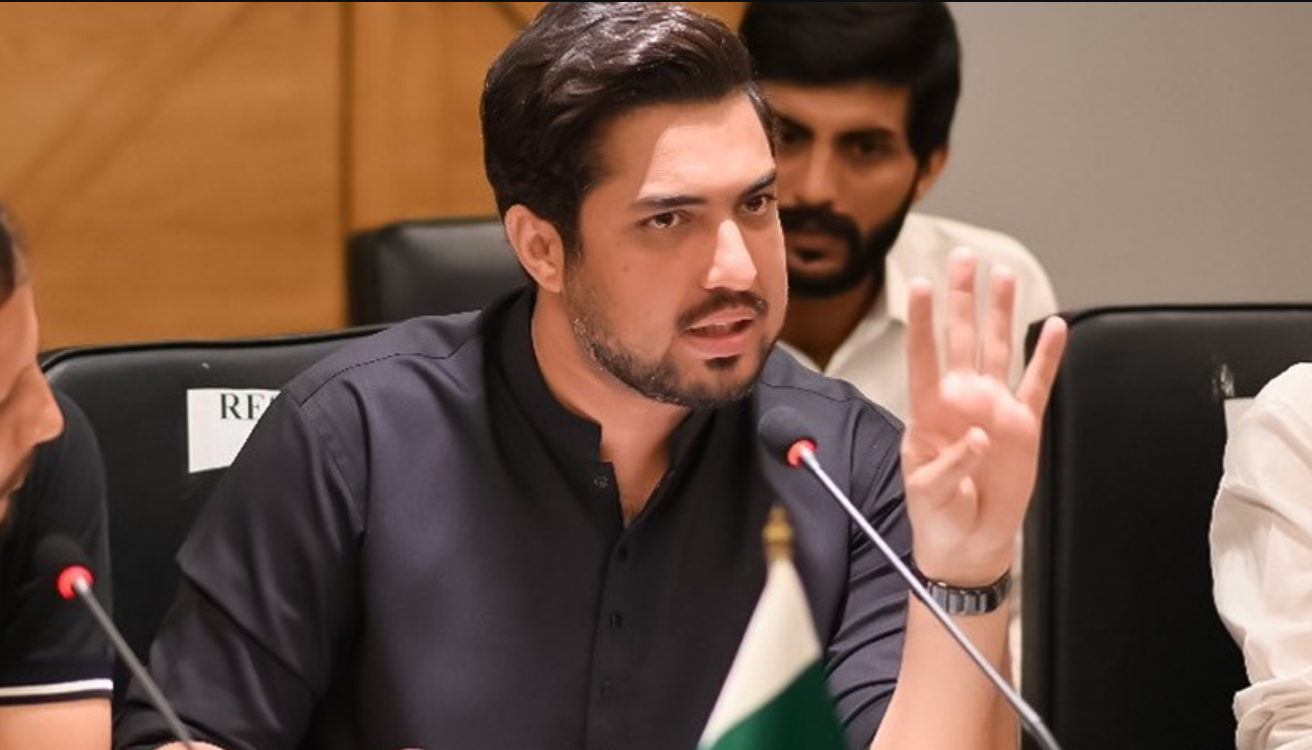

Renowned Pakistani journalist and Sar-e-Aam host Iqrar-ul-Hassan officially announced the formation of his political party during a London event on Sunday. The event faced significant disruption from protesters, primarily supporters of Pakistan Tehreek-e-Insaf, who gathered outside chanting slogans and expressing opposition to Hassan’s entry into politics.
The demonstration highlighted grievances over Hassan’s long-standing public statements against political involvement. Critics also alleged that his new movement might be an “establishment project” aimed at dividing the PTI vote bank. Despite the tension, Hassan remained composed and addressed the audience, confirming that the formal launch of his party is scheduled for January 15, 2026.
Vision and Goals of the New Party
During his address, Hassan outlined his vision for Pakistan. He emphasized the importance of implementing a strict system of checks and balances and promoting leadership based on competence rather than dynastic politics. He criticized major existing political parties, describing them as part of a failed system that has stalled the nation’s progress.
Hassan’s entry into politics signals a focus on accountability, governance reforms, and merit-based leadership. He aimed to appeal to voters dissatisfied with traditional party politics and promises of change without influence from established political dynasties.
Context and Opposition
The move comes after months of speculation and increasing tension between Hassan and PTI’s social media circles. Hassan has been vocal about what he terms a “toxic political culture” in Pakistan. However, his critics argue that entering politics confirms doubts about his neutrality as a journalist.
Protesters at the London event chanted slogans such as “Imran Khan is everywhere” to underline their continued support for PTI. They also highlighted dissatisfaction with Hassan’s sudden political ambitions despite years of claiming he would remain outside politics.
Political Implications
The launch of Hassan’s party is expected to have a significant impact on Pakistan’s political landscape. Analysts suggest that his party could attract voters seeking alternatives to the dominant political parties. Meanwhile, tensions with PTI supporters may intensify as the elections approach.
Hassan’s party aims to present a new political narrative focused on transparency, governance, and youth engagement. The January 2026 launch is set to formally establish his political platform ahead of upcoming elections.
The announcement demonstrates a broader trend of media personalities transitioning into politics, leveraging public recognition and credibility to challenge traditional party structures.
