

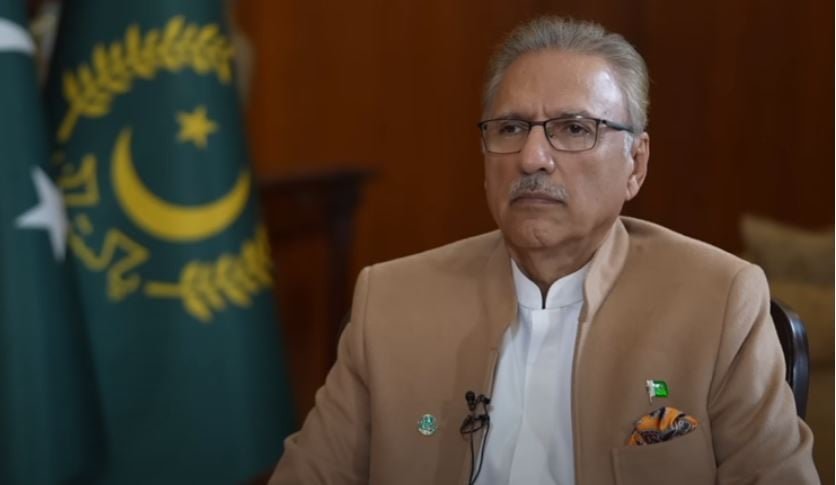

ISLAMABAD: President Dr. Arif Alvi expressed his confidence in the current interim government and the military leadership for guiding the country toward economic progress.
During his address at the 15th Rice Exporters Association of Pakistan’s (REAP) recognition ceremony, the president commended the interim government and Chief of the Army Staff (COAS) General Asim Munir for their efforts to attract foreign investment through joint ventures to boost Pakistan’s economy. He emphasized the vital role of decision-making in positioning the nation for economic stability.
President Alvi shared his optimism for the business community’s role in strengthening Pakistan’s economy and emphasized the country’s untapped potential, which he believed could be harnessed through responsible actions. He congratulated REAP on its journey from $300 million to $3 billion in exports and encouraged its members to explore joint ventures and focus on value-added rice products. The president praised the “Biryani Festival” initiative and extended an invitation to organize the festival at the President’s House.
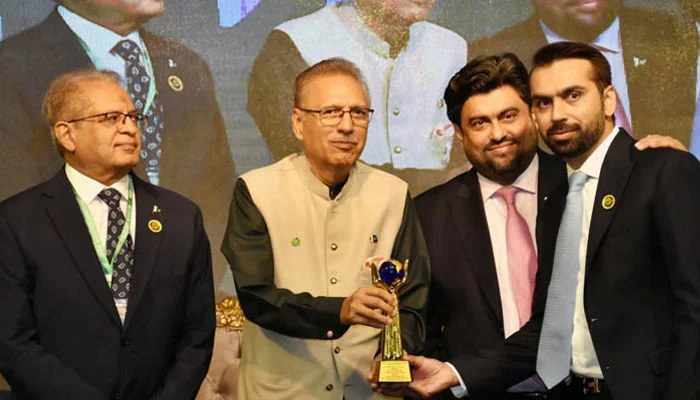
Dr. Alvi suggested reviving rice research institutions to expand the country’s presence in the international market. He also called for the collaborative establishment of market-oriented institutions by the government and REAP.
Furthermore, President Alvi highlighted the importance of women’s participation in the workforce to empower them and involve them in economic affairs. Sindh Governor Kamran Tessori acknowledged the significance of the rice crop as the second-largest export and expressed concern that it had not been recognized as an industry. He mentioned that the COAS was combatting economic challenges alongside border security and noted the decrease in the value of the dollar. Tessori also anticipated an improvement in the country’s law and order situation with the commencement of actions against illegal immigrants.
REAP Chairman Chela Ram Kewlani asserted that REAP was a cornerstone of the country’s economy, with Pakistani rice gaining international recognition for its quality. He highlighted the growth of rice exports from $300 million to $3 billion and urged the president to declare rice as an industry. Kewlani also drew attention to the Minimum Export Price (MEP) of rice and its impact on exports. He emphasized the need to establish a rice research institution to enhance opportunities and promote export growth, as well as the importance of growing two rice crops, as practiced in other parts of the world.
