
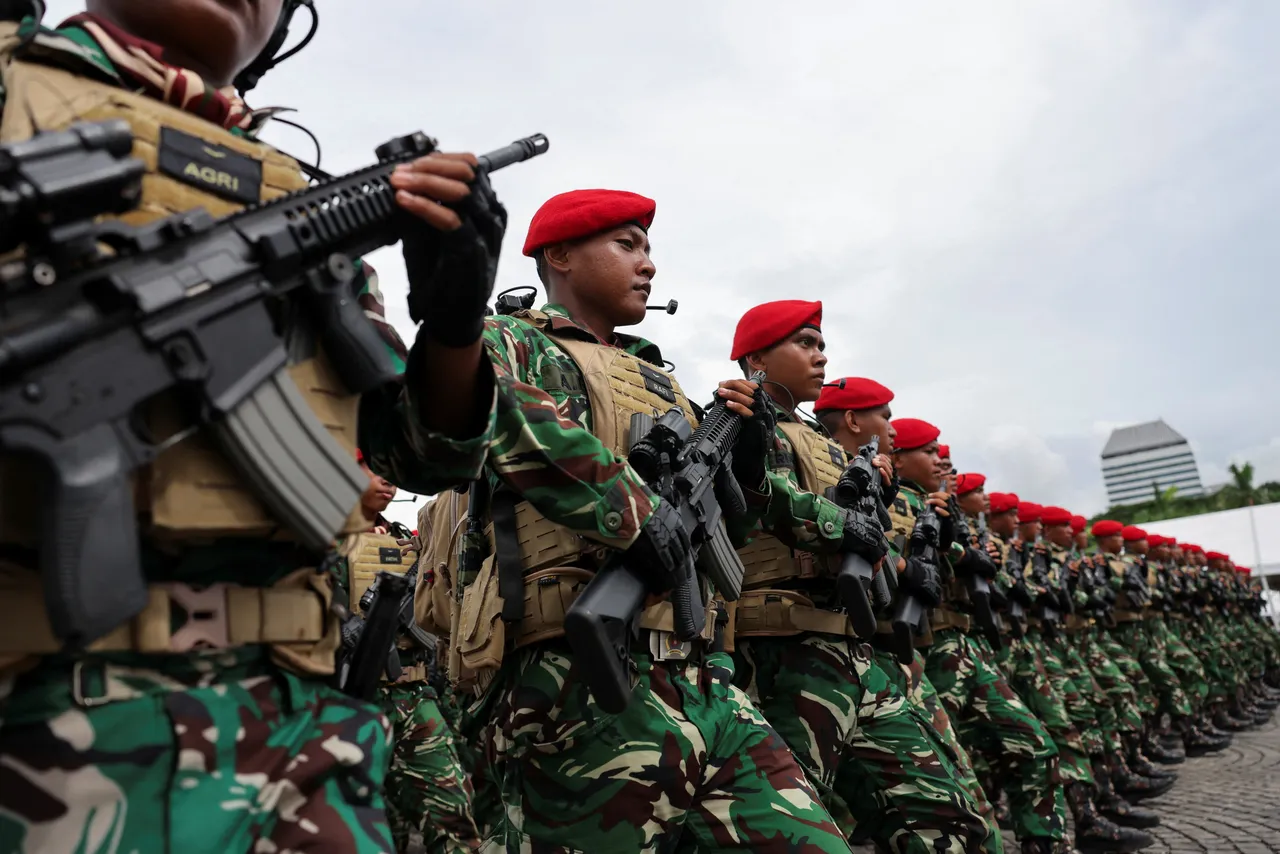

Indonesia’s Ministry of Defence and the military have introduced a policy allowing one day of remote work per week to reduce fuel consumption, as global energy shortages intensify due to the Middle East crisis. The move reflects broader government efforts to conserve strategic resources.
According to spokesperson Rico Ricardo Sirait, the policy aligns with directives issued by President Prabowo Subianto to enhance national efficiency. Therefore, authorities have begun adjusting work schedules, with some departments shifting from a five-day to a four-day in-office workweek.
The initiative follows presidential approval for a weekly work-from-home arrangement after the Eid holiday. Officials believe the policy will help curb fuel consumption by reducing commuting and operational demands. Moreover, the government plans to monitor its impact before considering broader implementation across other sectors.
Meanwhile, rising tensions in the Middle East continue to trigger global repercussions. Separately, the Hong Kong government has raised travel alerts for Iran and Israel to the highest “black” level, indicating a severe threat. In addition, it issued amber alerts for Bahrain, Jordan, Oman, Qatar, Saudi Arabia, and the United Arab Emirates.
At the same time, Cathay Pacific has suspended flights to and from Dubai until May 31, 2026, citing security concerns. Consequently, travel disruptions have added to the growing uncertainty across the region.
The crisis escalated after the United States and Israel launched a joint offensive on Iran in late February, prompting retaliation through drone and missile strikes. Furthermore, Iran’s control of the Strait of Hormuz has heightened fears of prolonged disruptions to global energy supplies, particularly for Asian economies.

