

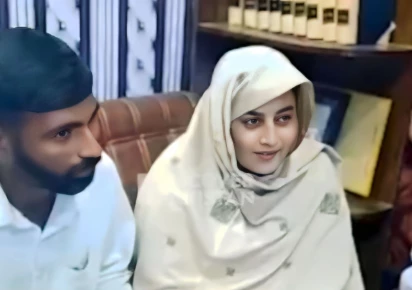

Pakistani authorities escorted Indian woman Sarbjit Kaur to the Wagah Border after her visa expired. She had married a Pakistani man of her choice and temporarily stayed in Pakistan.
The 48-year-old Sikh woman originally visited Pakistan on November 4 last year. She attended a 10-day festival marking the 556th birth anniversary of Guru Nanak, the founder of the Sikh faith. Her visa was valid until November 13. However, she did not return to India after the expiry date.
Marriage and Conversion
During her stay, Sarbjit Kaur married Naseer Hussain, a resident of Sheikhupura. This marriage was reportedly voluntary, and she also embraced Islam, adopting the name Noor Fatima before the marriage.
The couple first connected in 2016 through social media, which led to a long-term friendship and eventually marriage. Her statement to local authorities confirmed that she married Hussain willingly without any coercion.
Legal Procedures and Repatriation
Pakistani Rangers oversaw her transfer to the Wagah Border. Formal procedures, including a ceremonial parade, were completed before handing her over to Indian authorities. She was not permitted to remain in Pakistan under the Foreigners Act, 1946, due to her expired visa.
Her legal counsel stated that Kaur is returning to India voluntarily and plans to apply for a spouse visa afterward. This process will allow her to return to Pakistan legally and pursue permanent residence in the future.
Marriage Documentation
According to the nikahnama (marriage certificate), the couple solemnised their marriage on November 5. The agreed dower amount of Rs10,000 was duly paid. Kaur also appeared before a judicial magistrate in Sheikhupura, confirming her conversion and voluntary marriage.
Authorities emphasized that the repatriation followed due process. Kaur’s return under a spouse visa is expected after completing the required formalities in India.
Conclusion
The case highlights legal procedures surrounding foreign nationals, visas, and marriages of choice in Pakistan. Authorities ensured proper documentation and compliance while respecting individual consent and marital rights.
