
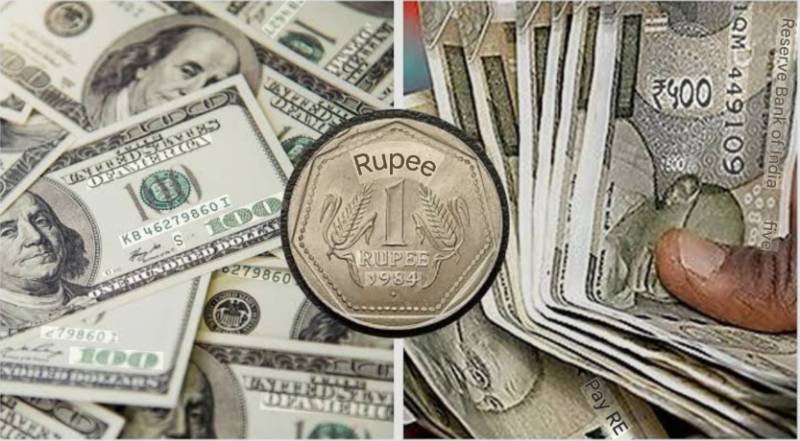

The Indian rupee fell to a fresh record low of 94.29 against the US dollar on Friday, declining 33 paise in early trade, according to Indian media reports.
The currency had closed at 93.96 in the previous session, indicating continued downward pressure. Notably, it had already touched an earlier all-time low of 93.98 earlier this week, highlighting persistent volatility in foreign exchange markets.
Analysts attributed the latest decline to growing concerns over an ongoing energy supply crisis triggered by the West Asia conflict. As the situation unfolds, energy-importing economies such as India face increased financial strain due to rising import costs.
Furthermore, the rupee has weakened by approximately 3.5 percent since the conflict began late last month. The sustained pressure reflects broader global uncertainty and investor caution amid geopolitical instability.
Meanwhile, oil prices have remained elevated above $100 per barrel, intensifying inflationary risks and weighing on global equity markets. Rising bond yields have further complicated the outlook for emerging markets, including India.
In response, economists have revised India’s growth forecasts downward. Some analysts now expect the Reserve Bank of India to consider interest rate hikes over the next 12 months to counter inflationary pressures stemming from higher energy costs.
Additionally, experts warn that even if the conflict does not escalate further, the rupee could weaken beyond 98 per dollar later this year. They cite India’s current account balance as a key vulnerability, particularly under prolonged high oil prices.
Overall, the currency’s decline underscores mounting economic challenges as external shocks continue to impact financial stability and growth prospects.

