

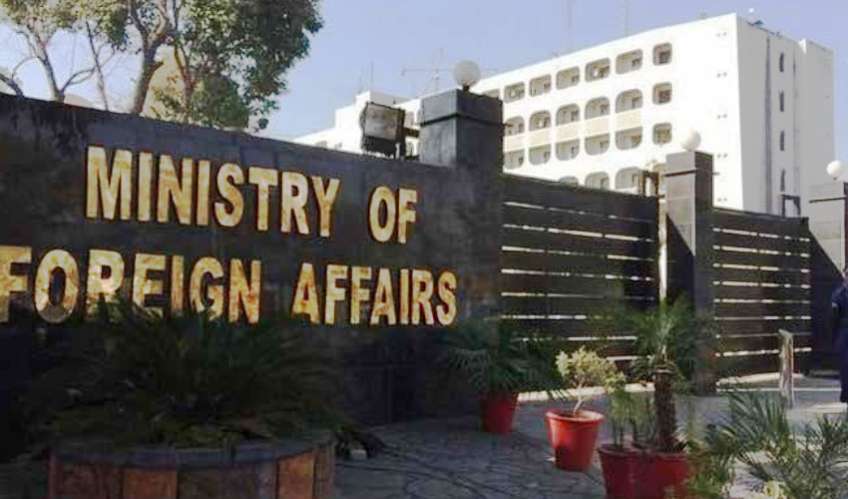

Pakistan has accused India of delaying essential humanitarian assistance meant for cyclone-affected communities in Sri Lanka. According to officials, a special aircraft carrying relief supplies waited over 60 hours for flight approval.
The aid was planned for Sri Lanka after destructive floods and storms caused widespread devastation. However, the prolonged delay impacted the speed of Pakistan’s relief operation.
Partial Clearance Called ‘Operationally Impractical’
The partial clearance reportedly came after 48 hours. However, the approval included only a short time window and lacked proper validity for the aircraft’s return route. Officials stated that this made the clearance “operationally impractical” and slowed the urgent mission.
Because of this, essential supplies could not reach affected communities as planned. Moreover, the timing issues created added hurdles for the flight crew.
Sri Lanka Faces Widespread Flood Damage
Cyclone Ditwah triggered heavy rains and severe flooding across Sri Lanka. The disaster has caused widespread destruction, leaving hundreds of thousands displaced and struggling for food and clean water. Torrential rains have damaged critical infrastructure, and several regions remain difficult to access.
The flooding followed a series of intense weather systems that also affected Indonesia, Thailand, and Malaysia. Many areas in Sri Lanka experienced flash floods and landslides that destroyed homes and cut off roads.
Humanitarian Needs Rising Across Affected Regions
Although rains have eased, the humanitarian situation remains serious. Shelters are overcrowded, and many families depend on external assistance. Aid groups warn that local markets are running out of basic goods, and prices have increased quickly because of shortages.
Additionally, rescue teams continue to monitor landslide-prone zones. Several central districts remain at high risk because the ground is still unstable.
Government Declares National Emergency
Sri Lanka’s leadership has declared a state of emergency to deal with what it describes as an unprecedented natural disaster. The government has appealed for international help, highlighting the scale of damage and the urgent need for relief supplies.
Evacuations continue in several districts as military aircraft transport stranded residents and distribute essential items. Efforts from multiple countries aim to reach remote areas, although weather-related disruptions still challenge relief operations.
Concerns Over Delayed Regional Cooperation
Officials in Pakistan argue that faster regional cooperation is necessary during large-scale climate disasters. They believe delays in humanitarian clearances place vulnerable communities at greater risk.
Because extreme weather events are becoming more frequent, governments in the region face growing pressure to strengthen disaster-response coordination.
