
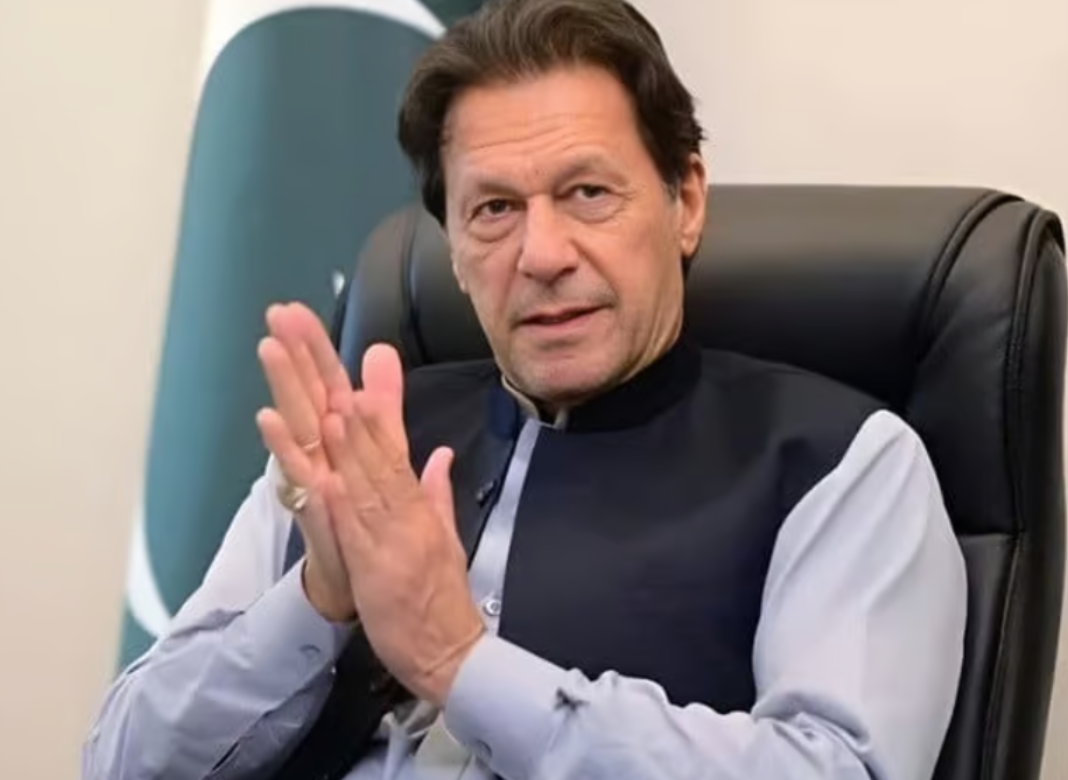

Viral Video Gains Attention After Record Fuel Price Hike
An old video of Imran Khan has resurfaced on social media. In the clip, he warned that petrol prices in Pakistan could approach Rs500 per litre if a regional war involving Iran took place. Now, his prediction is drawing fresh attention after a massive fuel price increase.
The video has gone viral following the government’s latest announcement. Many users are sharing it widely and linking it to current events. As a result, the discussion around fuel prices has intensified online.
The prediction appears close to reality. Petrol prices have surged sharply in recent days. Therefore, the warning made years ago now seems relevant to many observers.
Historic Fuel Price Increase Shocks Consumers
The federal government recently announced one of the largest fuel price hikes in the country’s history. Petrol prices increased by Rs137.23 per litre. As a result, the new rate has reached Rs458.40 per litre.
At the same time, high-speed diesel prices saw an even bigger jump. Diesel increased by Rs184.49 per litre, reaching Rs520.35 per litre. These changes have placed a heavy burden on consumers across the country.
Before the hike, petrol was priced at Rs321.17 per litre. This means consumers are now paying over Rs137 more per litre. Similarly, diesel prices rose from Rs335.86 to above Rs520. Therefore, this marks the biggest single increase ever recorded in Pakistan.
In addition, the government raised the petroleum levy on petrol. The levy increased from Rs106 to Rs161 per litre. However, the levy on diesel was largely removed, except for a small carbon tax of Rs2.5 per litre.
Rising Prices Fuel Political Debate and Economic Concerns
The latest increase has sparked renewed political debate. Supporters of Imran Khan point to his earlier statement as evidence of foresight. Meanwhile, critics argue that global factors are responsible for the current situation.
Fuel prices in Pakistan have been rising steadily. Data shows that prices increased in four out of the last six official reviews. Therefore, the upward trend has been consistent over time.
Experts say global oil prices and regional tensions are key factors. In addition, domestic economic policies also play a role. As a result, consumers continue to face rising costs.
The situation is putting pressure on households and businesses. Higher fuel prices increase transport and production costs. Consequently, inflation may rise further in the coming weeks.
In conclusion, Imran Khan’s past warning has returned to the spotlight amid current fuel price hikes. While the prediction is not exact, it is close enough to spark debate. The focus now remains on how the government will manage rising energy costs.

