

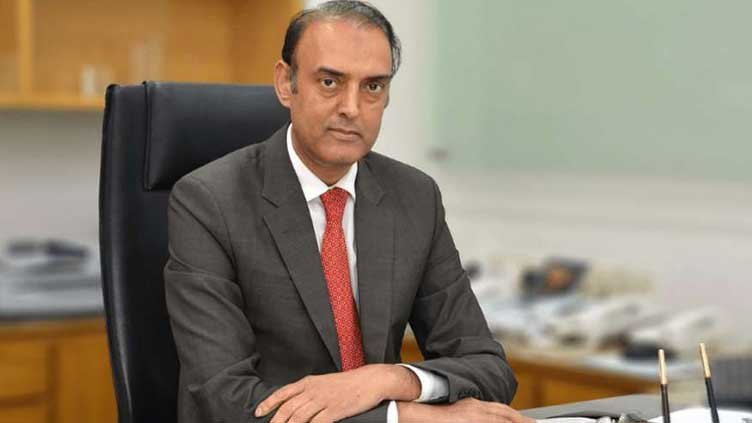

Women in Pakistan are experiencing a major shift in financial access. This progress reflects years of targeted planning. It also highlights a broader understanding that sustainable economic growth requires equal participation. During Pakistan Women Entrepreneurship Day 2025, the Governor of the State Bank of Pakistan, Mr. Jameel Ahmad, shared important updates on this national transformation. His address focused on the rising momentum of women-led businesses and the supportive structures helping this growth.
A Clear Vision for Inclusive Economic Growth
Governor Jameel Ahmad stated that no country can advance if half of its population remains outside the financial system. His message emphasized deliberate planning and coordinated strategies. According to him, the central bank adopted a multi-pronged approach to expand women’s access to finance. This strategy included policy interventions, banking reforms, and targeted programs for women entrepreneurs.
He also stressed that progress must continue. Women require an ecosystem that offers finance, mentorship, and market access. Therefore, institutions must strengthen all elements that support women-led enterprises.
Unprecedented Growth in Women’s Financial Inclusion
The Governor highlighted remarkable progress achieved through collective efforts. Women’s financial inclusion rose from 4 percent to 52 percent. This increase represents a major shift in national economic participation. As a result, the gender gap narrowed from 47 percent in 2018 to 30 percent in 2025.
Moreover, women’s engagement with the financial system expanded rapidly. More than 17.6 million women-owned accounts were opened since 2021. These numbers demonstrate stronger trust and greater participation among female users.
Additionally, loans for women-led businesses increased across the country. Between November 2024 and October 2025, more than 974,000 loans were disbursed. These loans totaled Rs. 230.3 billion. Because of this support, many women gained the opportunity to scale their businesses and enter new markets.
The Banking Sector’s Crucial Shift Toward Inclusion
According to Governor Ahmad, this progress would not be possible without strong cooperation from the banking sector. He acknowledged the major institutional shift within banks, especially in workforce inclusion. Over 14,600 women joined the banking industry in the past three years. With this increase, the share of female banking employees rose from 13 percent to 17 percent.
This shift helped banks design better solutions for women. More women in banking roles also improved accessibility and comfort for female customers.
Strengthening Leadership Through National and Institutional Initiatives
Governor Ahmad shared several important developments supporting long-term inclusion. The State Bank recently hired a new batch of female graduates under the Emerging Women Leaders Initiative. This initiative focuses on grooming future female leadership in finance.
Additionally, the central bank now has a woman on its Board. This representation strengthens decision-making through diverse perspectives.
At the national level, Pakistan became a signatory to the Women Entrepreneurs Finance Code in February 2025. By doing so, Pakistan joined a network of countries committed to supporting women in business. Along with this commitment, 22 banks pledged to share data, introduce new actions, and appoint leadership dedicated to women’s access to finance.
These steps show that institutions are moving from policy to practice.
Nationwide Programs Driving Awareness and Mentorship
Progress also came from consistent nationwide engagement. With support from partner institutions, more than 300 awareness and mentorship programs were conducted during the year. These programs took place in 55 districts. They engaged over 45,000 women across Pakistan. These sessions helped women understand financial tools, explore new business opportunities, and receive guidance from experienced mentors.
Such large-scale engagement placed Pakistan on the global map for turning inclusion commitments into measurable outcomes.
Celebrating Women Shaping Pakistan’s Economic Landscape
Pakistan Women Entrepreneurship Day 2025 highlighted the growing influence of women in economic transformation. The event celebrated ambition, innovation, and resilience. It was held at the central bank headquarters and connected with 16 field offices across the country.
Governor Ahmad congratulated the winners of several awards, including the Women of Impact Awards, Business Idea Competition, and the Empower Her Campaign Awards. These recognitions celebrated women who demonstrated creativity, leadership, and entrepreneurial achievement.
Insights From Influential Leaders and Industry Experts
The event featured inspiring contributions from prominent leaders. Speakers included Dr. Zeelaf Munir, Chairperson of the Pakistan Business Council, Ms. Saira Awan Malik, CEO of TCS Group, and Ms. Shabista Bakhtiar, President of the Women Chamber of Commerce, Karachi. They shared insights on emerging opportunities, challenges, and strategies for women in business. Their guidance encouraged attendees to develop stronger business strategies and pursue sustainable growth.
A Stronger Ecosystem for Women-Led Businesses
The State Bank and the Banking Services Corporation jointly commemorated the national celebration. The event showcased the achievements of women entrepreneurs from across Pakistan. Policymakers, financial institutions, development partners, business leaders, and entrepreneurs participated in the celebration. Their presence highlighted the country’s shared commitment to inclusive growth.
Through coordinated efforts, Pakistan continues to build a supportive environment for women-led businesses. This environment ensures access to financial resources, market opportunities, and leadership pathways.
A Transforming Future for Women’s Economic Participation
The rise in women’s financial inclusion to 52 percent marks a significant shift. It shows that focused strategies produce real change. With continued commitment, women will gain stronger economic roles and support national development. Therefore, sustained collaboration among institutions, businesses, and policymakers remains essential.
Pakistan now stands at an important moment. The foundation for inclusive growth is stronger than ever. With consistent support, women entrepreneurs will drive the next chapter of economic progress.
