
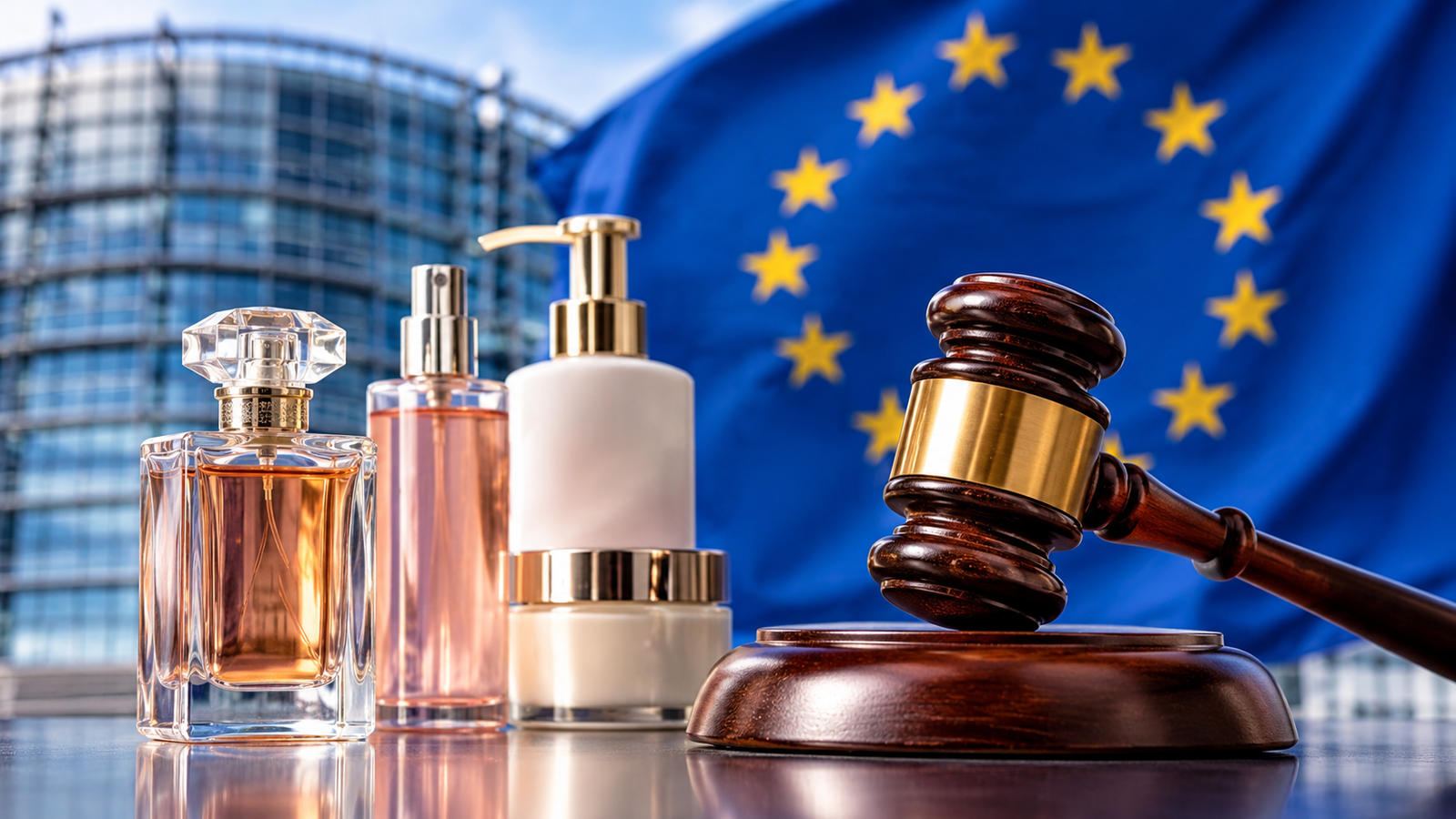

The European Union has imposed a massive €471.9 million fine on three leading fragrance manufacturers over their involvement in an international cartel. The companies allegedly exchanged sensitive commercial information, including pricing and production costs, for several years.
The European Commission said the arrangement could have increased costs for businesses purchasing fragrances. Consequently, consumers across Europe may also have paid more for everyday products, including cosmetics, detergents, and cleaning supplies.
The penalties target Swiss companies Firmenich and Givaudan, alongside US-based International Flavors & Fragrances (IFF). The investigation found that the companies participated in the arrangement between 2019 and 2023.
Which Companies Have Been Fined by the EU?
The European Commission distributed the €471.9 million penalty among the three fragrance manufacturers. Givaudan received the largest fine, followed by Firmenich and IFF.
The penalties are as follows:
- Givaudan: €252.3 million
- Firmenich: €137.6 million
- International Flavors & Fragrances (IFF): €81.9 million
The commission said it considered the companies’ cooperation when determining the penalties. All three companies acknowledged their participation in the cartel and accepted their liability.
How Did the Fragrance Cartel Operate?
According to the European Commission, the companies exchanged commercially sensitive information over several years. This included details about prices, costs, and other business-related matters.
The information also covered their dealings with British consumer goods manufacturer Unilever. The company is the world’s largest purchaser of consumer fragrances.
Such exchanges can undermine fair competition by giving participating businesses access to commercially sensitive information about their competitors. As a result, the arrangement may have affected pricing throughout the fragrance supply chain.
The cartel operated from 2019 to 2023 and covered the entire European Economic Area (EEA). This included all 27 EU member states, alongside Iceland, Liechtenstein, and Norway.
Could Consumers Have Paid More for Everyday Products?
Fragrances are essential ingredients in thousands of everyday consumer products. Manufacturers use them in cosmetics, personal care products, laundry detergents, and household cleaning supplies.
Therefore, higher costs for fragrance manufacturers’ customers could eventually affect the prices of finished goods. Businesses purchasing these ingredients may face additional expenses when producing everyday household products.
EU antitrust chief Teresa Ribera highlighted the potential consequences for businesses and consumers.
“This likely harmed and raised costs for their customers who use those fragrances to make everyday consumer goods like cosmetics, detergents and cleaning products,” she said.
She also warned about the possible impact on household spending across Europe.
“As a result, people across Europe may have been paying more for their weekly shopping. This is not acceptable,” she said in a statement.
However, the commission described the consumer impact as a likely consequence rather than establishing a specific price increase for individual products.
How Did the EU Investigate the Fragrance Companies?
The investigation followed several enforcement actions by European competition authorities. The EU conducted surprise inspections at the companies’ premises in March 2023.
Later, the European Commission opened a formal investigation in November 2025. It also worked alongside competition regulators in the United States, Britain, and Switzerland.
The investigation examined the companies’ exchanges of sensitive commercial information and their involvement in the arrangement.
Following its findings, the commission imposed penalties for violating EU competition rules. The companies’ cooperation and acknowledgment of liability also influenced the final fines.
What Does the EU’s Decision Mean for the Fragrance Industry?
The €471.9 million penalty highlights the European Union’s efforts to protect competition in major global industries. The case also demonstrates how commercial arrangements involving ingredient manufacturers can affect businesses further down the supply chain.
Moreover, fragrance ingredients play an important role in products used by millions of households. Therefore, competition concerns in this market can extend beyond manufacturers and affect everyday consumer goods.
The EU’s decision sends a clear warning against exchanging commercially sensitive information in ways that undermine fair competition. It also places greater attention on pricing practices within the global fragrance industry.
For the latest updates, visit and follow The Truth International website (www.thetruthinternational.com) and subscribe to the YouTube Channel.

