
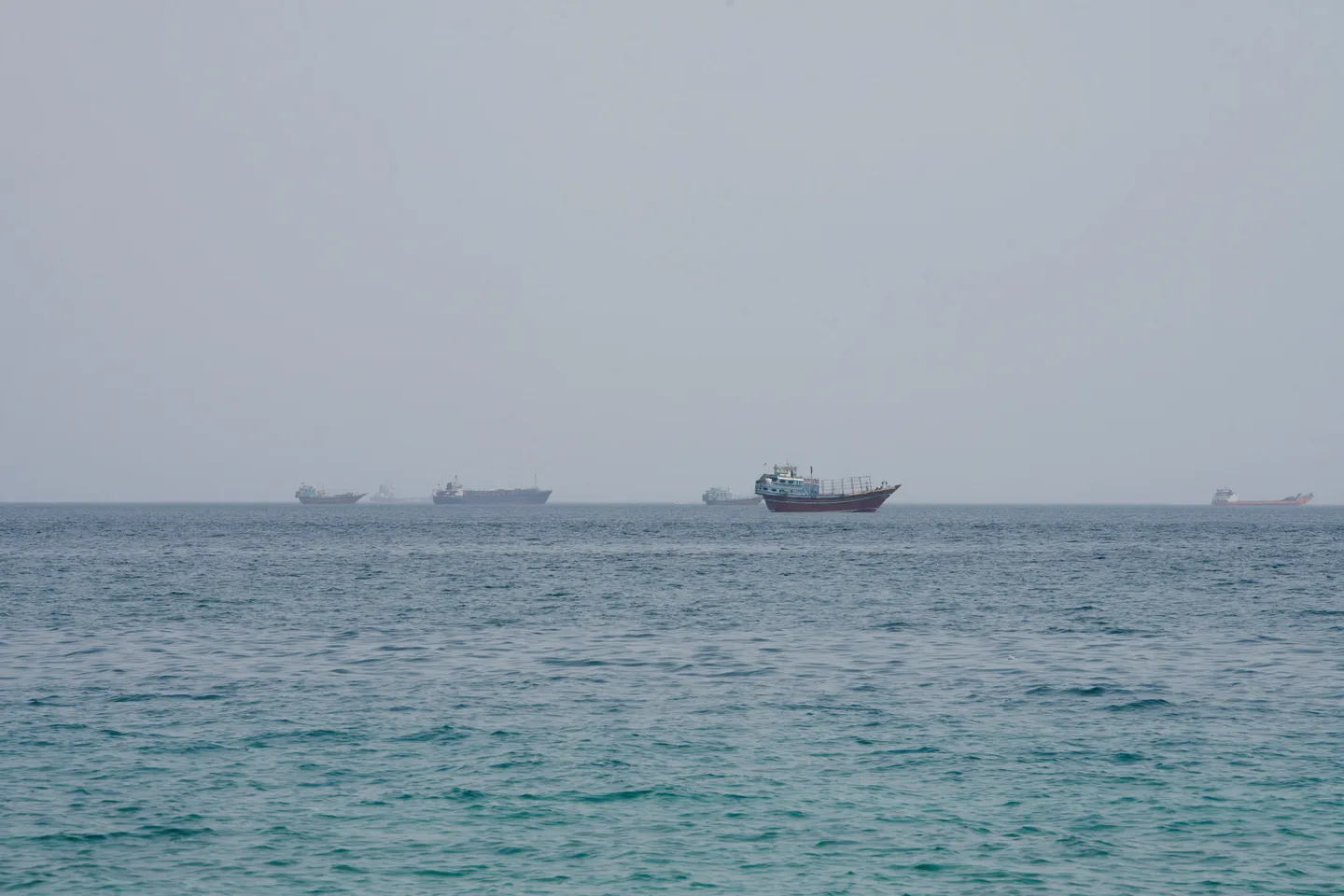

Eight US Marines were injured after an Iranian missile struck a vessel in the Strait of Hormuz, according to a report citing three US officials.
The incident reportedly occurred on September 14 while the Marines were operating as part of a battalion landing team. The vessel was struck by an Iranian anti-ship cruise missile during the incident.
The Marines did not suffer serious injuries, according to the officials. However, they experienced smoke inhalation and possible traumatic brain injuries.
Several Marines reportedly developed concussion-like symptoms, including headaches. All eight later returned to duty, according to the officials.
Eight Marines Reportedly Injured in Missile Strike
Seven of the injured Marines were enlisted personnel, while the eighth was an officer. They were operating from a maritime vessel when the missile struck.
The vessel was not identified as a US Navy ship. However, the officials declined to provide further details about the vessel.
The reported incident has also raised questions about US military casualty reporting. The Pentagon’s casualty figures have changed as injuries and classifications receive further assessment.
As of Wednesday, the Pentagon’s Defence Casualty Analysis System had recorded 861 US service members as injured during the conflict.
The eight Marines were reportedly added to the database almost 10 days after the September 14 attack. A US official attributed such delays to symptoms that can appear later.
The official also pointed to the system’s lack of real-time updates as another factor affecting reporting.
Iran Says It Wants Diplomacy Despite War
The reported missile strike comes as Iran and the United States continue to face tensions over the Strait of Hormuz.
Iranian Foreign Minister Abbas Araghchi has said Tehran remains open to diplomacy. However, he also stressed that Iran remains prepared to respond to further aggression.
In an interview, Araghchi said that “President Pezeshkian and I did not come to New York to sell a war. We came to forge peace.”
He also said Iran “nonetheless remains steadfast in the face of any aggression-even if it comes to an apocalyptic war. At the same time, we are ready for real diplomacy.”
When asked whether Iran trusted US President Donald Trump, Araghchi said “we trust ourselves. We are ready for diplomacy, we are ready for war at the same time. They have tested us in both cases; they have tested us in their aggression twice, and they are welcome if they want to test us once again.”
Iran Links Hormuz Reopening to Conditions
The reported injury of the Marines comes as Tehran continues pushing for a diplomatic solution.
Iran has insisted that the Strait of Hormuz can reopen if its conditions are met. The proposal was presented during diplomatic efforts surrounding the United Nations General Assembly.
Araghchi said, “Our conditions are clear, and any move toward reopening the Strait of Hormuz is contingent on these conditions being met,” adding, “Only a negotiated solution can get them out of this deadlock.”
Iran said its proposal was transmitted to Washington through Qatari mediators. The plan called for reopening the strategic waterway and pausing regional fighting.
However, Trump said he rejected the proposal. He also argued that Iran was seeking an immediate reopening of Hormuz because of its position in the conflict.
“They want to make a deal to open the Hormuz Strait immediately because they’re losing so badly,” Trump told reporters at the White House.
US and Iran Present Different Positions
The two sides have offered different explanations for the stalled proposal.
US envoy to the United Nations Mike Waltz said Washington rejected the Iranian proposal because it sought sanctions relief and access to frozen assets.
“So the bottom line is they were asking for everything up front with a promise that they would then talk,” Waltz said.
Iran, meanwhile, has continued to argue that diplomacy remains the way forward. Araghchi said mediators had not officially delivered a final US rejection to Tehran.
“We are waiting for the mediators to convey the definitive views to us, and we will make a decision based on them,” Araghchi posted.
Trump has nevertheless indicated that US negotiators could hold further discussions with Iran. Therefore, diplomatic contacts remain possible despite the rejection of the earlier proposal.
Iran Warns Against Blocking Its Trade
Iranian army commander Amir Hatam said the conflict had reached a critical stage.
He also warned that Tehran would not accept a situation where Iran could not trade. At the same time, foreign powers would continue using regional waterways.
“If Iran cannot trade, if Iran cannot live, no one will be able to trade or live,” he said.
The statement reflects Tehran’s focus on maintaining access to trade while the Strait of Hormuz remains central to the wider conflict.
Saudi Arabia Faces Wider Regional Pressure
The conflict has also spread beyond Iran and the United States. Saudi Arabia has faced increasing pressure as fighting involving Yemen’s Houthis intensifies.
Iran and its allies have launched attacks across the region during the conflict. Iranian forces have targeted US allies in the Gulf with drones and missiles.
Meanwhile, Houthi forces in Yemen have targeted Saudi interests. Their actions have also created additional concerns for regional energy and shipping routes.
Saudi Arabia has consequently become more deeply involved in the regional conflict. Houthi advances in Yemen have also created concerns about Saudi oil exports through the Red Sea.
Reports also said schools in Riyadh planned to shift to remote learning for a week. However, the notices reportedly did not provide a reason for the decision.
Saudi authorities had not immediately commented on the reported school arrangements.
Yemen Fighting Adds to Regional Tensions
The wider conflict has also affected Yemen, where fighting between Houthi forces and the internationally recognised government continues.
Yemen’s Health Ministry said seven people were killed and 40 wounded in a strike on shops. Children were reportedly among those injured in the incident at Mawiya junction in Taiz province.
Later, Yemen’s internationally recognised government said its forces had targeted a Houthi military camp and vehicles at the same location.
The competing claims came as regional tensions continued to affect several countries surrounding the key waterways.
Hormuz Conflict Raises Global Economic Concerns
The Strait of Hormuz remains central to the wider economic impact of the conflict. Disruptions around the waterway have affected oil movements and international shipping.
The strait is a critical route for global energy supplies. Consequently, continued restrictions have increased concerns about energy markets and wider economic disruption.
During diplomatic efforts in New York, Araghchi said Iran’s proposal could trigger a seven-day countdown toward reopening the strait.
“If there is seriousness on the US side to come to a deal and reopen the Strait of Hormuz, everything is now prepared,” Araghchi said.
He added that broader negotiations could follow if the initial agreement succeeded.
Those discussions could potentially include Iran’s nuclear programme and other issues. However, Washington and Tehran remain divided over the conditions required for negotiations.
What Happens Next?
The reported injuries involving eight US Marines add another military dimension to the ongoing tensions around Hormuz.
At the same time, Iran continues to call for diplomacy while maintaining its position on the strategic waterway.
Washington has rejected Tehran’s latest proposal, although further talks could still take place. Meanwhile, continued fighting across the region keeps pressure on shipping, energy supplies and diplomatic efforts.
For now, the reported September 14 missile strike remains part of a broader confrontation. The competing US and Iranian positions also show how military developments and diplomatic efforts continue alongside each other.
For the latest updates, visit and follow The Truth International website (www.thetruthinternational.com) and subscribe to the YouTube Channel.

