
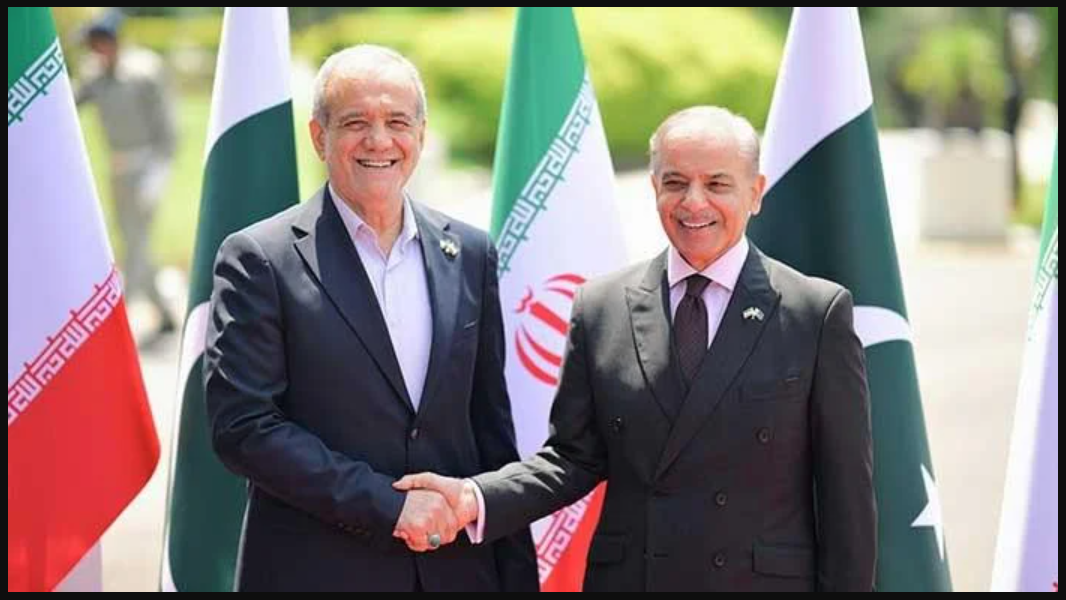

A significant diplomatic development has emerged amid rising regional tensions. Iran has agreed to allow additional Pakistani vessels to pass through the Strait of Hormuz. The announcement was shared by Pakistan’s Deputy Prime Minister and Foreign Minister Ishaq Dar.
According to the arrangement, 20 more Pakistani-flagged ships will cross the strategic waterway. Two vessels will pass through the strait daily under the new understanding. The decision reflects growing diplomatic engagement between Islamabad and Tehran.
Dar described the move as a constructive and positive gesture. He emphasized that such steps help promote peace and reduce uncertainty in the region. Moreover, he noted that confidence-building measures remain essential during periods of conflict.
A Gesture Framed as a Step Toward Peace
The foreign minister called the development a meaningful sign of cooperation. He stated that the decision could strengthen collective regional efforts aimed at stability. Furthermore, he stressed that dialogue and diplomacy remain the only viable solutions to ongoing tensions.
The Strait of Hormuz holds global importance because it connects major oil producers to international markets. Therefore, safe navigation through the corridor directly impacts global energy security and trade flows.
Iran’s decision comes at a time when maritime risks have discouraged many commercial vessels from entering the waterway. However, ships operating under certain national flags have continued limited transit after receiving safety assurances.
As a result, the facilitation of Pakistani ships signals improved trust between the two neighboring countries. It also indicates willingness to avoid escalation at sea.
Shipping Risks and Regional Maritime Concerns
Recent instability has disrupted commercial shipping across the region. Several incidents have damaged multiple vessels since the conflict began. Consequently, many shipping companies adopted cautious routes or delayed voyages.
Thousands of ships remain stranded or rerouted due to security concerns. Energy markets and global supply chains continue to monitor developments closely. Therefore, any easing of restrictions attracts immediate international attention.
The safe passage arrangement helps reduce uncertainty for Pakistani trade routes. Additionally, it supports continuity in maritime commerce during a volatile period.
Pakistan’s Expanding Diplomatic Role
Pakistan has increasingly positioned itself as a facilitator of dialogue between regional and global actors. Diplomatic outreach efforts have intensified as tensions between Iran and the United States continue.
Prime Minister Shehbaz Sharif recently held an extensive telephone conversation with Iran’s president. During the discussion, both sides emphasized the importance of trust and diplomatic engagement. These exchanges underline Pakistan’s intention to encourage peaceful resolution mechanisms.
Meanwhile, Islamabad has hosted high-level diplomatic consultations involving several regional foreign ministers. The meetings aim to explore ways to de-escalate conflict and encourage negotiations.
Officials believe coordinated diplomatic engagement may help prevent further instability. Therefore, Pakistan continues engaging multiple stakeholders simultaneously.
Regional Talks Focus on De-Escalation
Foreign ministers from key regional countries gathered in Islamabad for consultations focused on the Middle East crisis. Discussions centered on assessing the evolving situation and identifying pathways toward dialogue.
Participants explored mechanisms designed to lower tensions and support negotiations. In addition, leaders evaluated how regional cooperation could safeguard trade routes and energy supplies.
The participating countries share strong economic and security interests tied to maritime stability. Consequently, maintaining open shipping lanes remains a shared priority.
Strategic Importance of the Strait of Hormuz
The Strait of Hormuz remains one of the world’s most critical maritime chokepoints. A large portion of global oil shipments passes through the narrow corridor daily. Any disruption immediately affects international markets.
Because of this importance, even small diplomatic gestures can carry broader geopolitical implications. Iran’s decision to facilitate additional Pakistani ships therefore represents more than a logistical arrangement.
Instead, it signals cautious optimism that diplomatic channels remain active despite ongoing tensions.
Diplomacy Over Confrontation
Officials continue emphasizing dialogue as the preferred path forward. Confidence-building steps, including safe maritime passage, can gradually reduce mistrust. Furthermore, such measures help create an environment conducive to negotiations.
While challenges remain, the latest development offers a rare moment of positive momentum. Observers view the agreement as an encouraging indicator that diplomacy still holds influence during conflict.
If sustained, cooperative actions could support wider regional stability. For now, the facilitated passage of Pakistani ships stands as a practical example of diplomacy producing tangible outcomes.

