
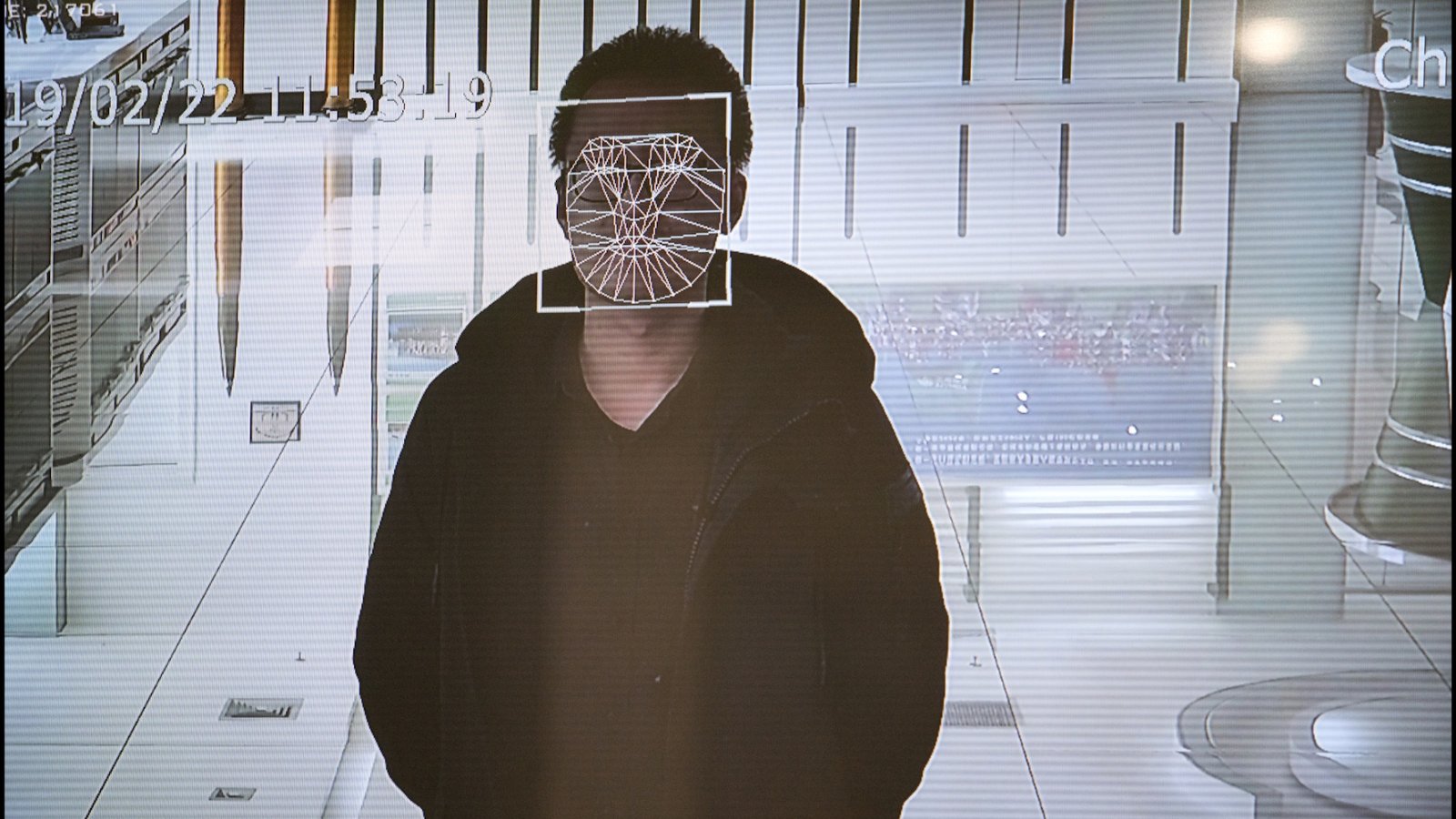

Hong Kong has activated artificial intelligence-powered facial recognition technology across its expanding CCTV surveillance network to strengthen crime prevention and public safety. The system, launched on Monday, November 16, will help police identify suspects, track missing individuals and investigate criminal activities.
Police Commissioner Joe Chow Yat-ming announced the rollout as part of the city’s SmartView surveillance initiative. He said the technology could identify individuals even when they wear masks or use disguises to avoid detection.
Authorities believe the system will improve investigative efficiency and discourage criminal activity. However, its introduction has also raised questions about personal privacy, data protection and the potential misuse of surveillance technology.
Police Outline Technology’s Role And Safeguards
The facial recognition system will allow officers to compare a person’s facial features against CCTV footage recorded at specified locations and times. It can also generate real-time alerts when individuals matching search criteria appear on connected cameras.
Police have stated that officers must obtain approval from an inspector or a higher-ranking official before conducting searches. The technology will only be used for national security, crime prevention, criminal investigations and public safety purposes.
Authorities will retain ordinary CCTV footage for a maximum of 31 days. Meanwhile, information generated through facial recognition, including facial characteristics and location records, may remain stored for up to 180 days.
Police Commissioner Chow also assured residents that authorities would not use the system casually. He said investigations would follow established checks and balances to prevent misuse.
SmartView Network Set For Major Expansion
Hong Kong introduced the SmartView initiative in 2024, combining police cameras with surveillance feeds from other public organisations. The first phase installed approximately 5,000 police cameras across 18 districts and integrated another 6,000 external camera feeds.
The second phase aims to expand the network to approximately 60,000 cameras by 2028. Authorities are also considering additional connections with shopping malls and other private organisations.
Despite the promised security benefits, privacy concerns remain as the technology expands across public spaces. Officials will need to balance investigative requirements with residents’ rights and responsible handling of personal information.
For the latest updates, visit and follow The Truth International website (www.thetruthinternational.com) and subscribe to the YouTube Channel.

