
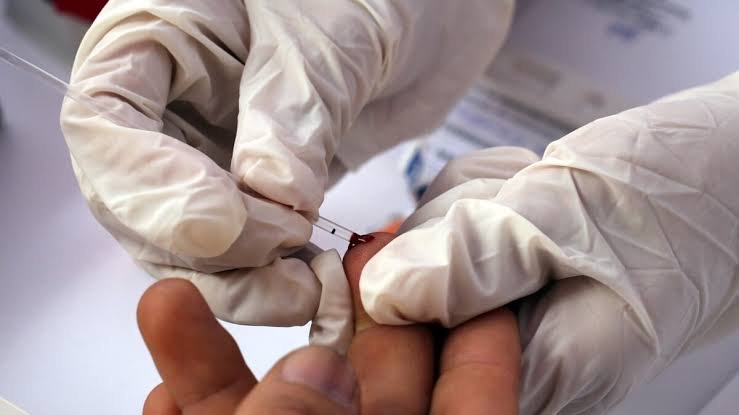

Pakistan has witnessed a sharp increase in reported HIV infections, raising concerns about public health facilities, disease prevention and access to treatment.
The growing number of infections has highlighted weaknesses in the country’s healthcare system, particularly regarding infection control and patient monitoring. Moreover, health officials face challenges in identifying infected individuals and ensuring they receive timely medical care.
Official figures presented to parliamentary committees have revealed a significant gap between estimated infections and registered patients. This situation has intensified calls for stronger government intervention and nationwide screening programmes.
Rising Infections Raise Healthcare Concerns
Pakistan’s National AIDS Control Programme estimated that approximately 369,000 people were living with HIV, while only 84,000 cases were registered in May 2026. Furthermore, officials reported around 14,000 new infections during 2025.
The National Assembly’s Standing Committee on Health also raised concerns about treatment interruptions. Nearly 20,000 registered patients who had started treatment reportedly stopped attending antiretroviral therapy centres.
Meanwhile, healthcare professionals have identified unsafe medical practices as a major concern. Reusing syringes, inadequate sterilisation and weaknesses in blood screening can increase transmission risks.
Government Plans Stronger Prevention Measures
In response, parliamentary members called for stricter monitoring of hospitals, blood banks and medical facilities. They also urged authorities to introduce safer injection practices and strengthen public awareness campaigns.
Additionally, the government has announced plans to expand antiretroviral treatment centres from 98 to 160 within one year. These facilities provide essential HIV testing, counselling and treatment services.
Pakistan’s National AIDS Control Programme reported 92,148 registered cases by June 2026, with 67,878 patients receiving antiretroviral treatment. Therefore, improving early diagnosis and treatment continuity remains essential to controlling further infections.
For the latest updates, visit and follow The Truth International website (www.thetruthinternational.com) and subscribe to the YouTube Channel.

