
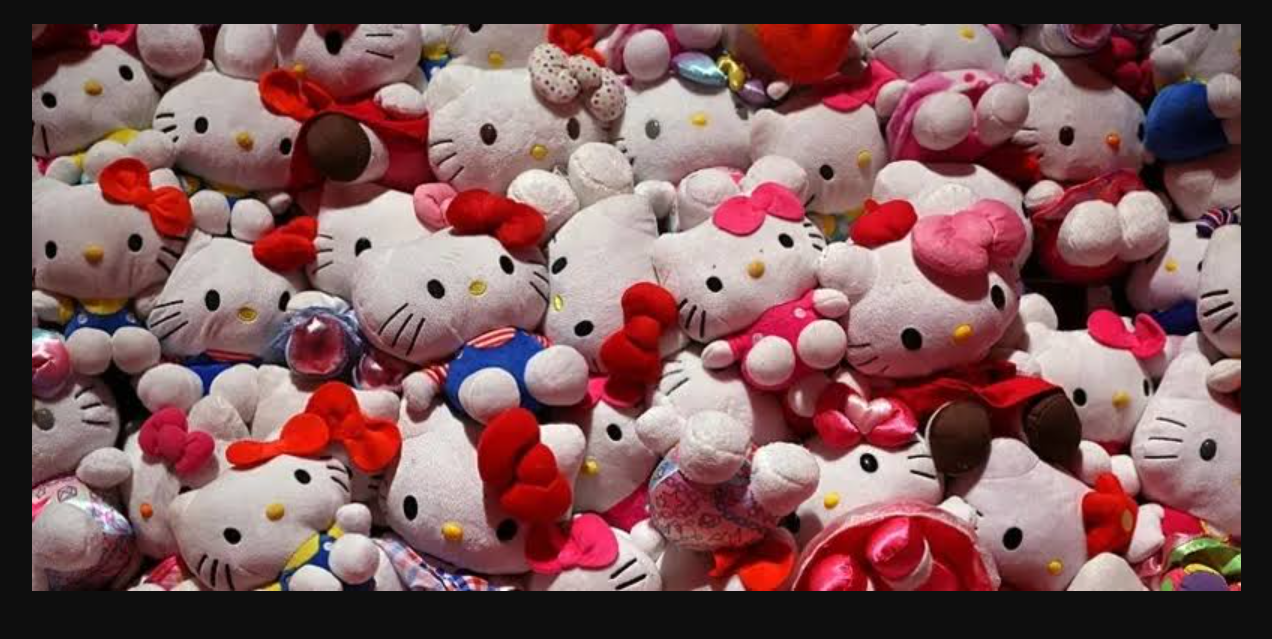

Japanese character brand Sanrio has apologised to Chinese audiences and cancelled a merchandise collaboration with the television drama Vivant following criticism over its portrayal of China. The controversy has intensified scrutiny of cultural partnerships as political tensions between China and Japan continue to grow.
Sanrio announced the decision on Thursday after receiving complaints about the collaboration. The company said the project conflicted with its corporate philosophy, prompting it to end the partnership and cancel related promotional activities.
Why Did Hello Kitty’s Collaboration Spark Anger in China?
The controversy centres on Vivant, a Japanese drama that has attracted a wide domestic audience and recently returned for its second season. One episode depicts a Chinese-affiliated organisation torturing a member of an unofficial Japanese military spy unit.
The storyline prompted criticism from Chinese commentators, who accused the production of presenting China negatively. Consequently, Sanrio faced backlash for linking its popular characters with the programme.
In a statement, the company acknowledged the concerns surrounding the merchandise collaboration.
“We have recently received feedback from various quarters regarding the collaborative merchandise with the Japanese television drama VIVANT,” Sanrio said in a statement.
“We sincerely apologise for any concern this may have caused.”
The company added that the project “contains expressions that are inconsistent with the Sanrio Group’s corporate philosophy”. It subsequently “decided to cease this collaboration, as well as all subsequent projects and promotional campaigns”.
The merchandise featured Hello Kitty and other Sanrio characters reimagined as figures from Vivant. However, criticism over the drama’s portrayal of China ultimately led the company to withdraw from the project.
Chinese Critics Question the Drama’s Portrayal of China
Before Sanrio announced its decision, Chinese state media outlet the Global Times accused Vivant of “smearing China”. It also said the programme had “sparked shock and fierce backlash on social media”.
The outlet argued that the series reflected the “anti-China narrative of the current conservative Japanese right-wing administration, catering to the trend of right-wing extremism in Japanese society”.
Meanwhile, Chinese users on Weibo criticised Sanrio for associating its characters with the drama. One user questioned the partnership, writing, “Sanrio, you are a brand for conveying a message of beauty and goodness, why have you got involved with this?”
Another expressed disappointment, saying, “The founder has long taken part in various anti-war activities, and Sanrio was originally founded on the ideals of stopping war and cherishing peace.”
Chinese Foreign Ministry spokesperson Guo Jiakun also criticised the programme during a regular briefing on Thursday.
“This television drama once again reveals the persistent existence inside Japan of a force that seeks to use cultural products to vilify and smear China and spread anti-Chinese sentiment,” he said.
“This should raise alarm amongst the international community and enlightened individuals within Japan.”
Japanese Broadcaster Defends the Drama
TBS, the private broadcaster behind Vivant, rejected suggestions that the programme intended to target China or offend its people. The network described the drama as a fictional entertainment production.
“There is absolutely no intention to deliver messages that disparage any particular nation or hurt public sentiment,” it said.
The network’s president also told Japanese media that TBS “does not in any way take a position that foments conflict between nations or condones the use of force or violence”.
Despite the broadcaster’s response, the controversy has added pressure to a cultural partnership involving one of Japan’s best-known character brands.
China-Japan Tensions Add to Cultural Controversies
Relations between China and Japan have deteriorated further following Japanese Prime Minister Sanae Takaichi’s remarks last year. She suggested that Japan could intervene militarily in a conflict over Taiwan.
Beijing claims self-ruled Taiwan as its territory and has vowed to bring the island under its control. Against this backdrop, portrayals of China in entertainment and public comments have become particularly sensitive.
The Sanrio controversy also follows a separate dispute involving French football star Kylian Mbappe. Chinese sponsors dropped him after comments about former Chinese leader Mao Zedong, whom he described as a “dictator”.
Real Madrid apologised to Beijing on Wednesday after the controversy triggered widespread criticism on Chinese social media. The dispute also led to Spanish football being removed from Chinese state television.
The incident began with a video interview for the French show The Bridge, which has since been taken down. Mbappe discussed an internet meme featuring his face edited onto “some guy, think he’s a Chinese dictator”.
Mbappe apologised on Tuesday, saying: “My comment was ill-judged and I now understand that it hurt many people in China and in Chinese communities around the world.”
Together, the controversies highlight how entertainment partnerships and public remarks can trigger significant reactions amid strained international relations.
For the latest updates, visit and follow The Truth International website (www.thetruthinternational.com) and subscribe to the YouTube Channel.

