

A nearly perfect examination score has triggered a major cheating scandal in South Korea after the country’s top tax accountant candidate admitted using artificial intelligence to secure his results. The confession has prompted a police investigation and raised serious concerns about the fairness of national examinations.
The candidate ranked first in both rounds of South Korea’s national tax accountant qualification examination, held in April and July 2026.
His extraordinary performance initially attracted attention after he scored 397.5 out of 400 marks in the first round. He answered 159 of the 160 questions correctly.
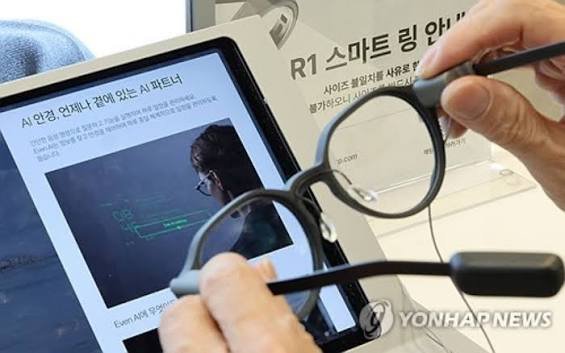
The remarkable result sparked suspicions of cheating. Some observers accused him of using smart glasses during the examination. However, he initially rejected those allegations.
On Sunday, November 15, the candidate admitted that he had used electronic devices and generative AI to obtain answers during the tests.
He explained that he photographed examination questions using a miniature camera. He then sent the images to an AI system and checked the answers on his smartphone.
The candidate made the confession in a video published on his lawyer’s YouTube channel. He expressed regret and acknowledged that his results did not reflect an honest examination performance.
He also revealed that financial difficulties had influenced his decision. After leaving a stable job to establish a business, he faced mounting pressure to earn money and meet his family’s expectations.
The Seoul Metropolitan Police Agency confirmed receiving a written confession through his lawyer. Investigators have now taken up the case.
The Human Resources Development Service of Korea, which administers the examination, confirmed that two supervisors were present during the test.
Its president, Lee Byung-hoon, apologized for the incident and announced plans to file a criminal complaint against the candidate for obstruction of business.
The controversy has also attracted attention from South Korea’s presidential office.
Officials ordered a broader investigation into suspected AI-assisted cheating across national qualification examinations.
Authorities are particularly concerned because South Korea’s highly competitive national college entrance examination is scheduled for November 19, 2026.
The government has already increased scrutiny of electronic cheating devices. During a gas engineer certification examination in October, an AI-based inspection system detected a candidate wearing smart glasses.
Officials have also announced plans to pursue criminal complaints against students caught using such devices in university entrance examinations.
The latest scandal highlights growing challenges for examination authorities as artificial intelligence and miniature electronic devices become increasingly accessible.
It also raises a critical question: How can examination systems guarantee fair results when sophisticated AI tools can operate almost unnoticed?

