
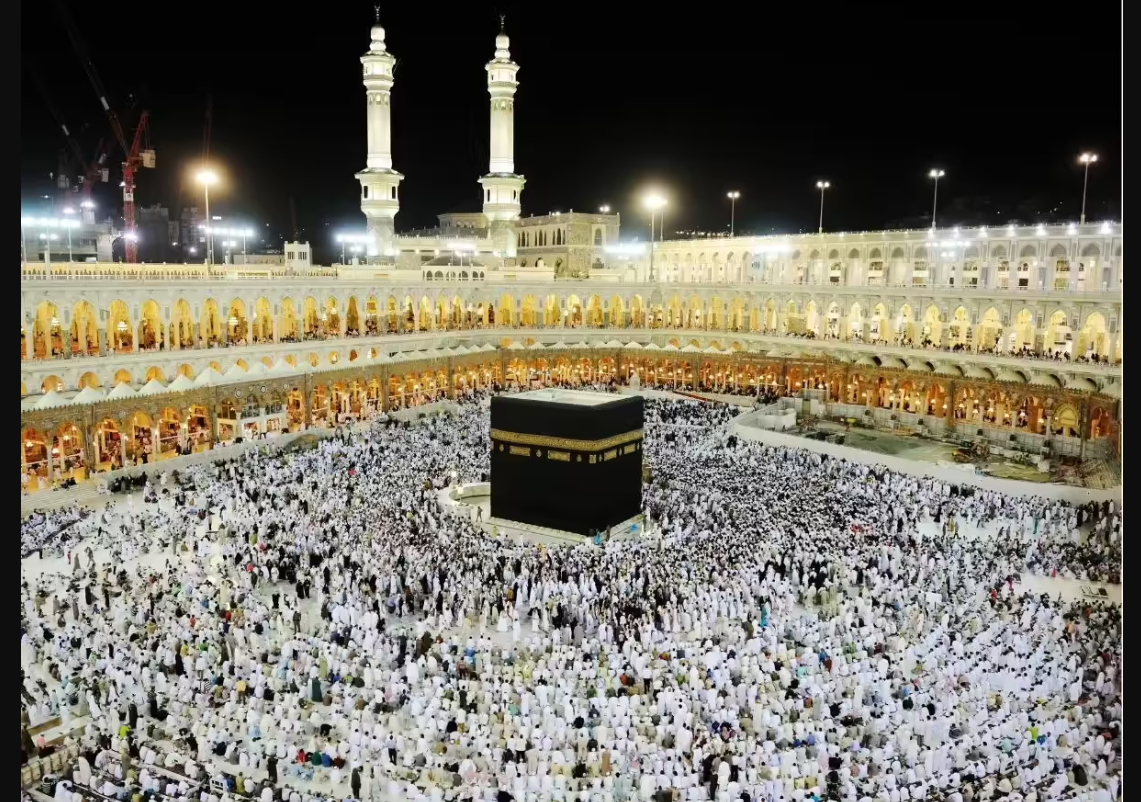

Pakistan has finalised the procedure for receiving Hajj 2027 applications and collecting pilgrimage expenses. Under the government scheme, applications are scheduled to open in the third week of August. Meanwhile, pilgrims will receive multiple digital options to submit payments.
The new system will allow pilgrims to pay their Hajj expenses through several digital channels. These include OneLink, PSID, credit cards and online challans.
Overseas Pakistanis will also benefit from the new digital arrangement. They will be able to submit applications and pay their dues through the system.
Hajj Expenses to Be Paid in Two Instalments
Pilgrims travelling under the government scheme will pay their Hajj expenses in two instalments.
They will need to deposit 50 per cent of the total amount with the first instalment. The remaining 50 per cent will then be paid through the second instalment.
However, only already registered pilgrims will qualify to submit applications and pay Hajj dues under the government scheme.
The arrangement is part of the ministry’s efforts to simplify the application and payment process. It also gives pilgrims more flexibility when managing their pilgrimage expenses.
Digital Payment Options Expanded for Pilgrims
The new system will offer several payment methods for Hajj applicants.
Pilgrims will be able to use OneLink, PSID, credit cards and online challans. Therefore, applicants will have different options for completing their payments.
Overseas Pakistanis will also be able to apply and pay through the digital system. A single designated private bank will collect applications and payments from overseas Pakistanis.
Private Hajj scheme pilgrims will also have access to digital payment options. They can pay their expenses through OneLink, PSID or credit cards.
The expanded payment options are expected to make the process more convenient for applicants.
Pakistan Sets Hajj 2027 Quota at 179,210
Pakistan’s total Hajj quota for 2027 has been fixed at 179,210 pilgrims. The government scheme will receive 60 per cent of the total quota. This allocation amounts to 107,526 seats.
Meanwhile, private Hajj operators will receive the remaining 40 per cent. Their allocation stands at 71,684 seats. The division establishes the number of pilgrims who can travel under each Hajj arrangement.
New System Aims to Simplify Hajj Applications
The Ministry of Religious Affairs said the digital system would make the Hajj process easier.
It is also designed to make applications and payments faster and more secure.
The system will bring application submission and payment options into a more accessible digital process. As a result, pilgrims will have several ways to complete their financial requirements.
For overseas Pakistanis, the system also provides a dedicated route for applications and payments.
Meanwhile, the two-instalment arrangement under the government scheme gives registered pilgrims a clear payment structure.
With applications expected to open in the third week of August, prospective pilgrims will now prepare for the Hajj 2027 process.
The new payment system marks a shift towards greater digital convenience. At the same time, the fixed quota provides a clear framework for government and private Hajj arrangements.

