
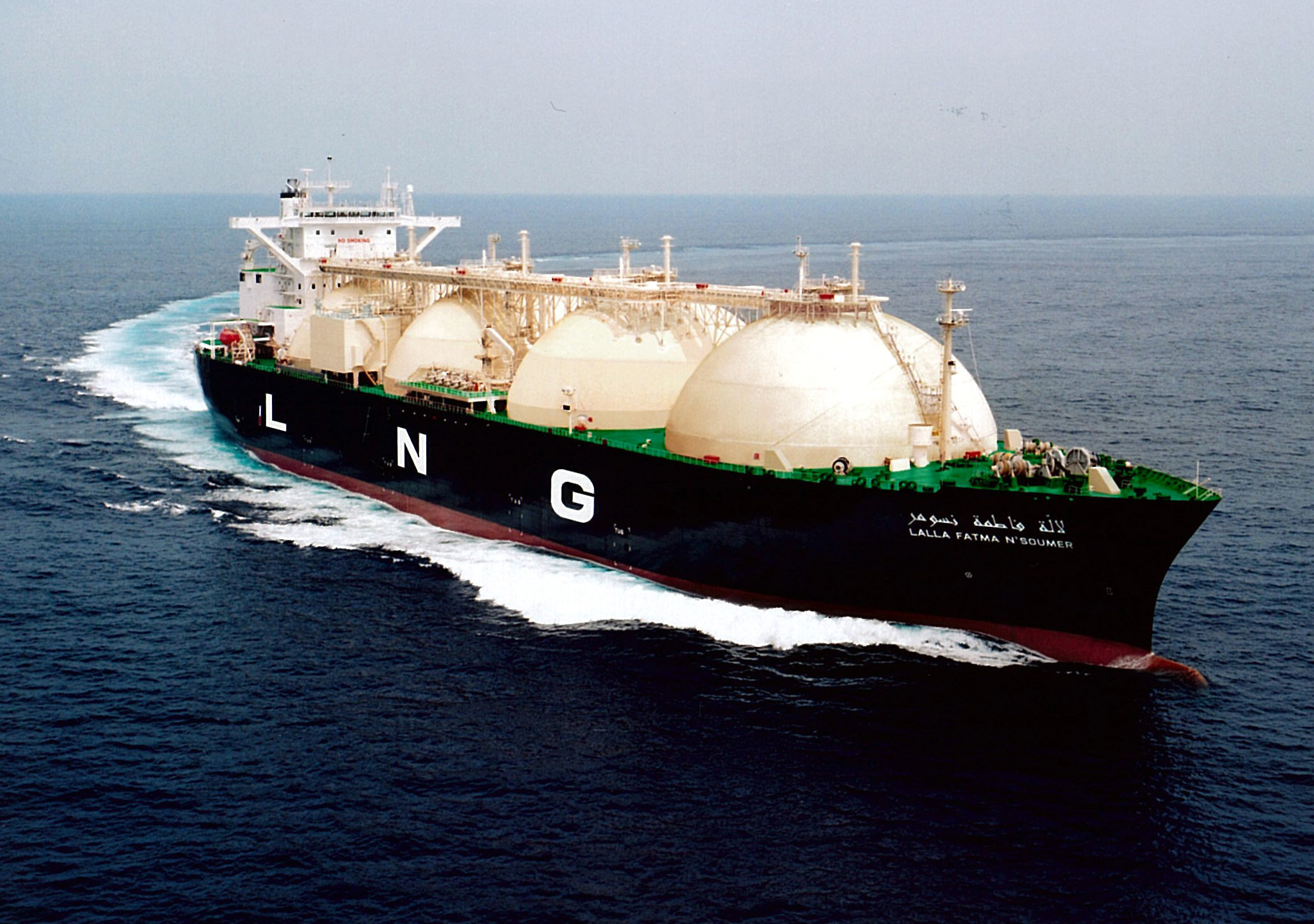

A senior Qatari official has warned that ongoing regional conflict could disrupt energy exports from the Gulf. The warning highlights serious risks to global energy markets.
According to the energy minister, continued fighting may force Gulf exporters to halt shipments within weeks. Such a shutdown could trigger major disruptions worldwide.
The Gulf region supplies a large share of global oil and gas. Therefore, any interruption could quickly affect energy prices and supply chains.
The minister stressed that exporters might soon declare force majeure if hostilities continue. This step allows companies to suspend contracts during extraordinary circumstances.
As a result, energy shipments from the region could stop temporarily. That scenario would immediately affect international markets.
Qatar’s LNG Production Plays a Critical Global Role
Qatar remains one of the world’s largest producers of liquefied natural gas. Its LNG output accounts for roughly 20 percent of global supply. This supply supports both Asian and European energy demand. Consequently, disruptions in Qatari exports would have global consequences.
Earlier this week, Qatar halted LNG production due to escalating tensions. The decision came after retaliatory strikes targeted Gulf countries.
Officials fear the conflict could spread further. Therefore, energy companies now face rising operational risks.
The minister explained that exporters across the Gulf may soon suspend shipments. If the conflict continues, many producers may declare force majeure.
Such decisions could disrupt long-term supply contracts. Consequently, import-dependent countries may face immediate shortages.
Global Economy Could Face Major Shock
Energy disruptions rarely stay limited to one sector. Instead, they often trigger broader economic consequences.
The minister warned that a prolonged conflict could weaken global economic growth. Rising fuel prices would increase production costs worldwide.
Factories depend heavily on stable energy supplies. However, shortages could force many industries to slow production.
This chain reaction could disrupt manufacturing and global trade. As a result, economic pressure may increase across multiple regions.
Furthermore, higher energy prices would affect transportation and logistics. Consumers would eventually face rising costs for everyday goods.
Therefore, the conflict poses risks far beyond the energy sector.
Oil Prices Could Surge to $150 Per Barrel
Energy markets have already shown signs of volatility. However, prices could rise dramatically if shipping routes close.
The Strait of Hormuz remains the most important oil transit route in the world. It connects major Gulf producers to international markets.
Millions of barrels of oil pass through this narrow waterway daily. Therefore, any disruption could severely restrict supply.
The energy minister warned that crude oil prices could reach $150 per barrel within weeks. This surge could happen if tankers cannot cross the strait safely.
Gas markets could also experience sharp increases. Prices may rise to $40 per million British thermal units under severe supply pressure.
Such increases would create significant economic strain worldwide.
Recovery Could Take Months Even if War Ends
Even if the conflict ends quickly, recovery will not be immediate. Energy supply systems require time to stabilize.
The minister explained that returning to normal export cycles could take weeks or even months. Complex logistics and shipping schedules require careful coordination.
Energy producers must also rebuild disrupted supply chains. Therefore, restarting operations would take time.
Additionally, expansion projects may face delays. Qatar’s major North Field expansion could experience setbacks due to the crisis.
The project aims to boost LNG production capacity. However, ongoing instability could slow progress.
The first production from the expansion had been scheduled for mid-2026. Yet prolonged conflict could push that timeline further.
Growing Concerns Across Global Energy Markets
Analysts and economists continue to monitor the situation closely. Energy markets remain highly sensitive to geopolitical tensions. The Gulf region holds enormous strategic importance. It supplies a large share of the world’s oil and natural gas.
Therefore, instability in this area can reshape global energy dynamics quickly. Governments and businesses now prepare for possible supply disruptions.
Energy security has become an urgent priority once again. Many countries may seek alternative supply sources if tensions escalate.
However, replacing Gulf exports would prove difficult in the short term. For now, global markets remain on edge. Much depends on how long the conflict continues.

