

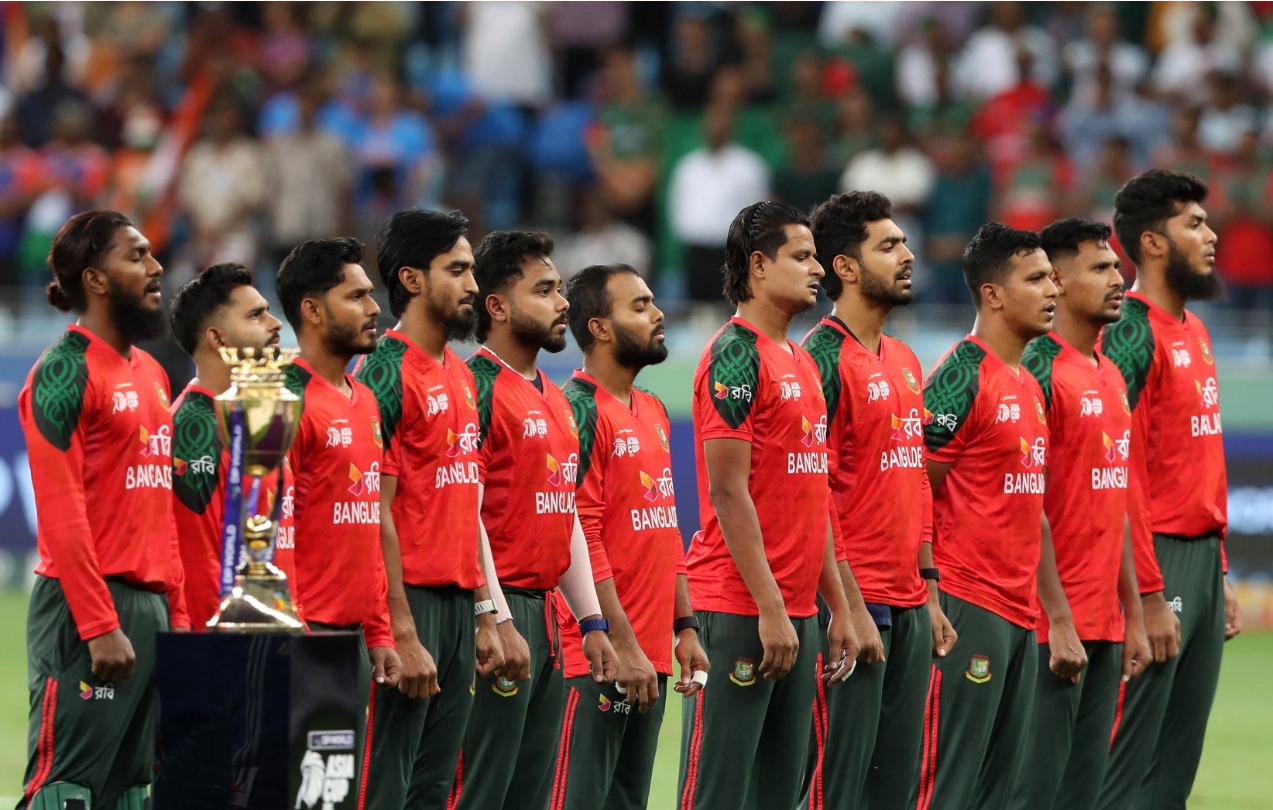

The International Cricket Council and the Bangladesh Cricket Board have agreed to avoid a prolonged deadlock over Bangladesh’s participation in the T20 World Cup 2026 matches scheduled in India. Instead, both sides have continued discussions to find a workable solution that addresses security concerns while keeping tournament planning intact.
During a recent meeting between ICC and BCB officials, Bangladesh formally requested a group change for the national team. The BCB asked the ICC to move Bangladesh from Group C to Group B. This request emerged as a key proposal to ease tensions surrounding match venues.
Group C currently includes Bangladesh, England, West Indies, Italy, and Nepal. All matches in this group are scheduled to take place in India. Bangladesh has repeatedly raised reservations about playing in India, citing safety-related issues. As a result, the current group placement has become a major point of concern.
In response, ICC officials presented a detailed security plan to the BCB delegation. The ICC director of security outlined arrangements for team protection and also shared information about alternative venue options. However, BCB officials maintained that the proposed measures did not fully address their concerns.
During the discussions, the BCB provided arguments linked to recent political and public developments. Officials highlighted protests involving ruling party figures and pointed to unrest connected to an IPL-related issue involving Bangladeshi player Mustafizur Rahman. According to BCB officials, these incidents reinforced their apprehensions about player safety.
Therefore, the BCB proposed a group reshuffle as a practical solution. Group B includes Sri Lanka, Australia, Oman, Ireland, and Zimbabwe. Importantly, all Group B matches are scheduled to be held in Sri Lanka. The board believes this option would allow Bangladesh to participate without compromising security priorities.
The ICC acknowledged the concerns and agreed to continue engagement rather than allow the situation to reach an impasse. While no final decision has been announced, both sides have signaled a willingness to keep dialogue open. This approach reflects an effort to balance logistical planning with member board sensitivities.
The issue highlights how venue allocation for major tournaments can become complicated when regional tensions intersect with sports scheduling. Cricket boards increasingly seek assurances beyond standard protocols, especially for global events involving extensive travel.
For now, Bangladesh remains in Group C, but the request has placed added focus on the ICC’s flexibility. Any change would require broader consultation, as group compositions affect scheduling and broadcasting plans.
As discussions continue, the outcome could set a precedent for how security concerns influence tournament structures in the future. The ICC’s response will likely shape confidence ahead of the T20 World Cup 2026.
