

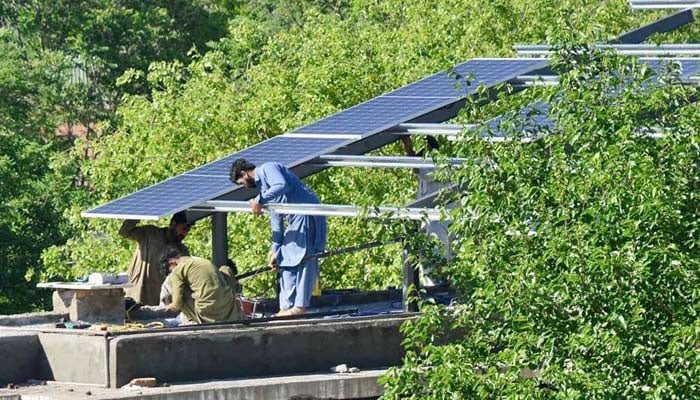

Net-Metering Connections
In a significant move to streamline and modernize the application process for net-metering connections, the federal government is set to launch a new digital portal aimed at simplifying and enhancing transparency in the system.
This initiative, spearheaded by the Ministry of Energy, was discussed in a high-level meeting chaired by Federal Minister for Energy, Sardar Awais Ahmad Khan Leghari, on Monday.
According to an official statement issued by the ministry, the minister stressed the urgent need to address the existing inefficiencies and delays in the net-metering application process. “Immediate and effective solutions must be found for the issues faced in this process,” he emphasized, highlighting the government’s commitment to facilitating clean energy adoption through consumer-friendly policies.
Leghari directed authorities to ensure that the new digital portal for net-metering is simple, transparent, and user-friendly, thereby encouraging more citizens to adopt solar energy systems.
He also underscored the importance of equipping the staff of electricity distribution companies (DISCOs) with the necessary training to operate the new portal efficiently. Practical demonstrations are to be organized to ensure smooth onboarding of field staff.
Additionally, the minister called for the development of a public awareness campaign aimed at educating electricity consumers on how to use the online platform and understand the benefits of digital transparency in the net-metering process.
This digital initiative comes in the wake of a controversial decision earlier this year, when the government announced a substantial reduction in the buyback rate for surplus solar electricity—from Rs27 per unit to Rs10 per unit.
The move sparked significant backlash from solar power users and environmental advocates, who argued that it could deter investment in renewable energy.
Responding to the criticism, the government later decided to broaden consultations on the proposed amendments to the Solar Net Metering Regulations, which had been initially approved by the Economic Coordination Committee (ECC).
The final recommendations will now be re-submitted to the federal cabinet after incorporating feedback from all relevant stakeholders, ensuring a more inclusive policy framework.
