

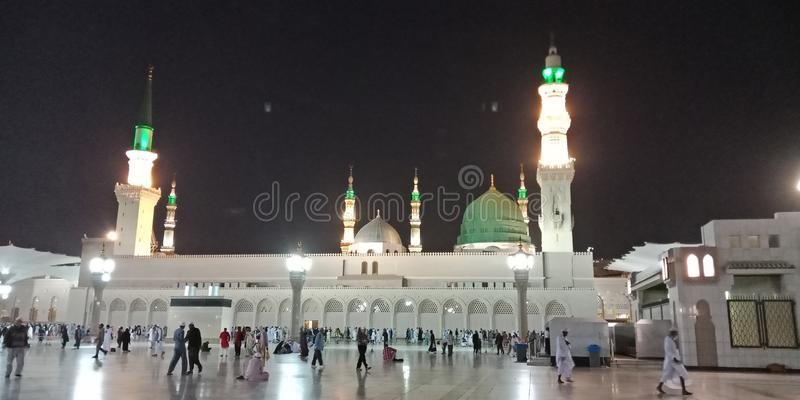

ISLAMABAD: The federal government is establishing ‘Sirat-un-Nabi’ Advisory Council in order to overcome social crimes such as sexual crimes, religious violence, drug addiction among the youth, and specifically Islamophobia in western countries.
Federal Education Minister Shafqat Mahmood chaired the first meeting of the elected committee for the formation of the proposed ‘Sirat-un-Nabi’ Advisory Council.
The members of the committee included Religious Affairs Minister Noorul Haq Qadri, Islamic Ideological Council Chairman Qibla Ayaz Ahmed, Prime Minister’s Task Force on Science and Technology Chairman Dr Ataur Rehman, Dr Arif Butt from Al Qadir University Jhelum, Dawa Academy DG Dr Muhammad Ilyas, FATA University VC Muhammad Jahanzeb Khan. Senior officials of the Higher Education Commission, the National Curriculum Council, and the education ministry were also part of the committee.
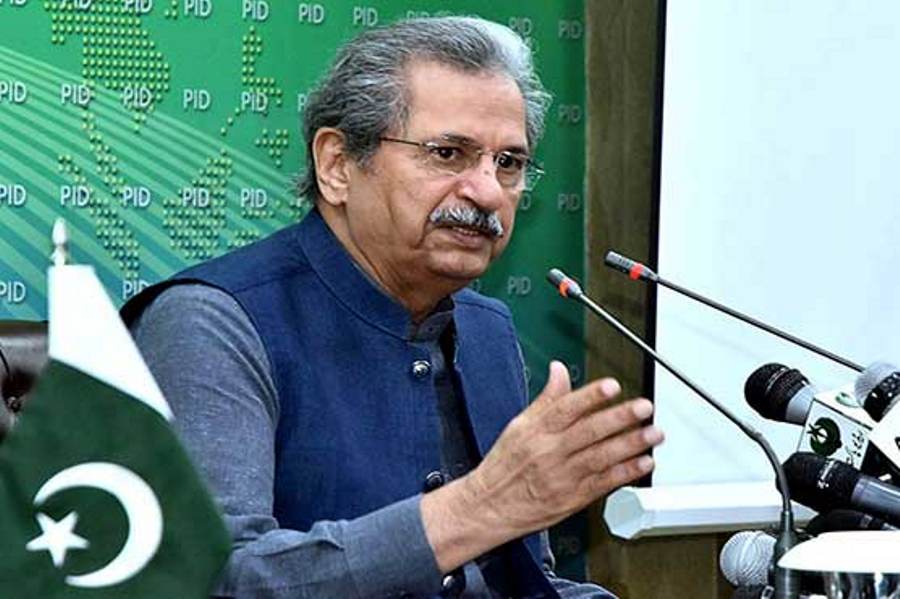
Briefing the participants on the objectives of the proposed council, Mahmood said the prime minister had special concerns on the current rise in sexual crimes, moral degradation, religious violence, drug addiction among the youth of the country.
Furthermore, he said that PM Imran and the entire nation had specifically deeply concerned about the effective response of the western countries to Islamophobia.
He also informed that on the special instructions of the prime minister, a Rahmatul-lil-Alameen Advisory Council was need of the hour which could effectively address these issues. The council will also provide guidance on curriculum development and Islamic day programmes. It will also determine the corrective responsibilities of teachers, scholars, parents, and the media.
The education minister said the premier wanted to put his corrective thinking into practical shape in society. “The Sirat-un-Nabi Advisory will immediately begin its work as a body and Federal Education Ministry will serve as its secretariat. Later, it will be transformed into a permanent commission or authority with its own head office in the Prime Minister’s Office. Various ministries and provincial governments will be attached to it,” he added.
During the meeting, it was also decided that eminent scholars, researchers and social media scholars of Pakistan would be made members of the advisory body, while international scholars and researchers would also be included in it.
If any previous experience has been made in Islamic countries, the benefit will also be taken from it, he added.
Religious Affairs Minister Qadri suggested that scholars from internationally recognised Islamic institutions such as Al-Azhar University, Madinah-tun-Nabi and Qom should also be included in the council to broaden its scope of work.
