

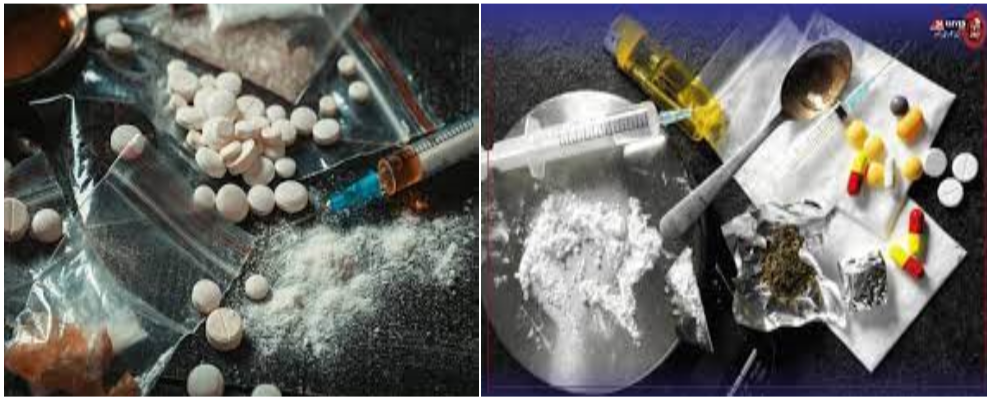

The government’s intensified efforts to combat narcotics have resulted in a substantial crackdown during the month of October, leading to the confiscation of over 2500 kilograms of illicit substances.
Collaborating with various law enforcement agencies, the operation led to the apprehension of more than 70 individuals involved in the illegal drug trade.
Significant amounts of narcotics were seized from different provinces, with Balochistan and Sindh contributing 1200 kilograms, Gilgit-Baltistan 700 kilograms, Khyber Pakhtunkhwa 400 kilograms, and Punjab 150 kilograms.
In Punjab, the seized substances included 120 kilograms of cannabis, 6 kilograms of heroin, 3 kilograms of methamphetamine, and 10 kilograms of opium. Khyber Pakhtunkhwa’s share comprised 320 kilograms of cannabis, 10 kilograms of heroin, 20 kilograms of opium, and 12 kilograms of methamphetamine.
Sindh’s contribution involved 5 kilograms of heroin, 530 kilograms of cannabis, and 15 kilograms of methamphetamine, while Balochistan’s share included 450 kilograms of cannabis, 5 kilograms of heroin, and 25 kilograms of opium.
A total of 25 individuals were arrested in Punjab, 10 in Sindh, 10 in Balochistan, and 30 in Khyber Pakhtunkhwa as part of the crackdown against drug traffickers.
Since the initiation of the crackdown on September 1st, a staggering 30,780 kilograms of narcotics have been seized nationwide, leading to the arrest of over 400 individuals involved in the illegal drug trade.
In a united effort to ensure national security and protect the well-being of the youth, the government, security forces, and military leadership are committed to taking rigorous measures against the drug trade.
Denmark Debates Enforcing Ban On Desecrating The Holy Quran
Meanwhile, on Tuesday, Denmark’s parliament will deliberate a bill to criminalize burnings of the Holy Quran, prompted by recent desecrations causing outrage in Muslim nations. The government, citing national security concerns, considers the tensions a threat.
The proposed legislation seeks to make it a criminal offense to treat a text with strong religious significance for a community inappropriately, with potential offenders facing up to two years in prison.
