

The federal government is moving closer to introducing discounted petrol for vulnerable commuters as global oil prices continue rising. The increase follows ongoing tensions in the Middle East, which have placed pressure on fuel-importing economies like Pakistan.
Prime Minister Shehbaz Sharif announced that authorities are accelerating relief measures for lower and middle-income households. The initiative aims to ease financial stress caused by increasing petroleum prices.
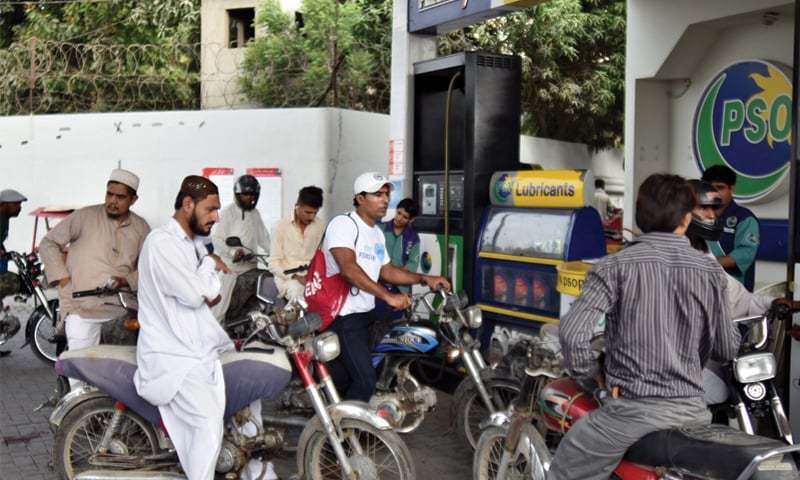
According to officials, the government is finalizing a subsidized fuel scheme targeting motorcycle and rickshaw owners. These groups rely heavily on fuel for daily income and transportation needs. Therefore, policymakers consider them among the most affected by price fluctuations.
Targeted Subsidy for Vulnerable Commuters
The proposed program focuses on providing direct relief instead of broad fuel subsidies. Officials believe targeted assistance ensures benefits reach those who genuinely need support.
During a high-level meeting, the prime minister reviewed the impact of regional instability on petroleum supplies and domestic pricing pressures. Authorities also discussed progress on public relief initiatives linked to fuel affordability.
Officials informed the meeting that federal and provincial departments are coordinating closely. Their main goal is completing the registration process for eligible beneficiaries.
Once finalized, registered motorcycle and rickshaw owners will qualify for subsidized petrol under the planned scheme. The framework aims to ensure transparent distribution while preventing misuse.
Registration System Nearing Completion
Authorities are developing a structured registration mechanism to identify eligible applicants accurately. The system prioritizes daily wage earners and low-income commuters who face immediate financial strain.
Officials emphasized that proper verification remains essential for fair implementation. As a result, the government seeks to avoid blanket subsidies that often create fiscal pressure.
The prime minister reaffirmed the government’s commitment to supporting economically vulnerable citizens. He stated that struggling households would not be left alone during difficult economic conditions.
Global Oil Market Pressures Driving Policy Response
International oil markets remain volatile due to supply disruptions and geopolitical uncertainty. Concerns surrounding key global oil transit routes have further intensified price instability.
Consequently, oil-importing countries are experiencing increased inflationary pressure. Pakistan faces additional challenges because transportation costs directly influence food prices and household expenses.
Higher fuel prices raise logistics costs across multiple sectors. Businesses then pass these expenses to consumers, increasing overall living costs. Therefore, targeted relief measures have become a policy priority.
Economic Impact on Everyday Life
Rising petroleum prices affect not only transport workers but also ordinary families. Motorcycle riders and rickshaw drivers often operate on narrow profit margins. Even small fuel price increases reduce daily earnings significantly.
By introducing subsidized petrol, the government aims to stabilize incomes while limiting inflationary spillovers. Policymakers hope the initiative will provide immediate relief without placing excessive burden on public finances.
Meanwhile, authorities continue monitoring global energy developments closely. Future decisions will depend on international market trends and domestic economic conditions.
What Happens Next?
Officials are expected to finalize the registration framework soon. After completion, eligible individuals will likely begin enrollment for the subsidy program.
The government views the initiative as part of broader economic relief efforts. These efforts focus on protecting vulnerable groups while maintaining fiscal discipline.
If implemented successfully, the scheme could provide timely support to millions who depend on affordable fuel for their livelihoods.

