
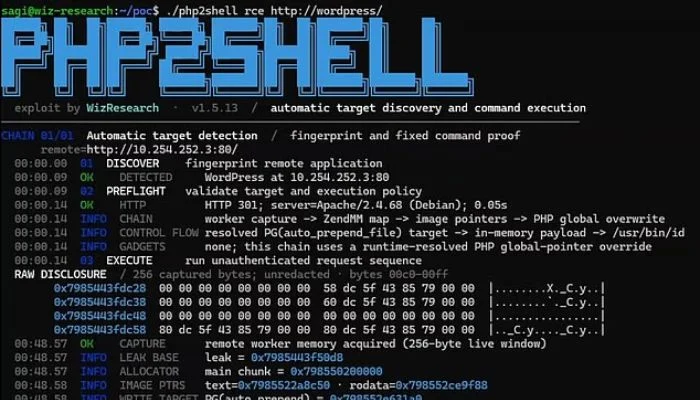

A major cybersecurity emergency has disrupted websites worldwide after experts discovered two critical vulnerabilities in PHP, a programming language widely used across the internet.
Governments, banks, airlines, and major companies temporarily suspended online services as hackers launched millions of attempted attacks.
Why Are Websites Shutting Down Worldwide?
Cybersecurity researchers identified two dangerous weaknesses, collectively known as PHP2Shell, in software used to operate websites and manage databases.
The vulnerabilities received a critical severity score of 9.2 out of 10.
Attackers could potentially exploit vulnerable servers without passwords, putting sensitive information and online services at risk.
Researchers also used artificial intelligence to help identify the flaws.
Millions of Hacking Attempts Reported
Cloud services company Cloudflare reported a dramatic increase in attempts to exploit the weaknesses.
According to CEO Matthew Prince, attacks rose from thousands before the public announcement to millions afterward.
Meanwhile, PHP developers released emergency security updates on October 21.
Cybersecurity experts urged website administrators to install the fixes immediately.
Major Companies and Governments Suspend Services
Several Japanese organizations, including Nomura, Mitsubishi UFJ Financial Group, and All Nippon Airways, temporarily restricted online services.
Government agencies in Finland also suspended websites while installing security updates.
French telecommunications company Orange took precautionary measures, while South Korea increased its cybersecurity alert level.
Microsoft CEO Satya Nadella described the emergency as an unusually serious challenge for technology teams.
Are Internet Users at Risk?
Experts clarified that website shutdowns do not automatically indicate successful hacking.
Many organizations suspended services to prevent possible attacks.
However, websites running outdated PHP versions could remain vulnerable until administrators install security patches.
Some services may require days or weeks of testing before normal operations resume.

