
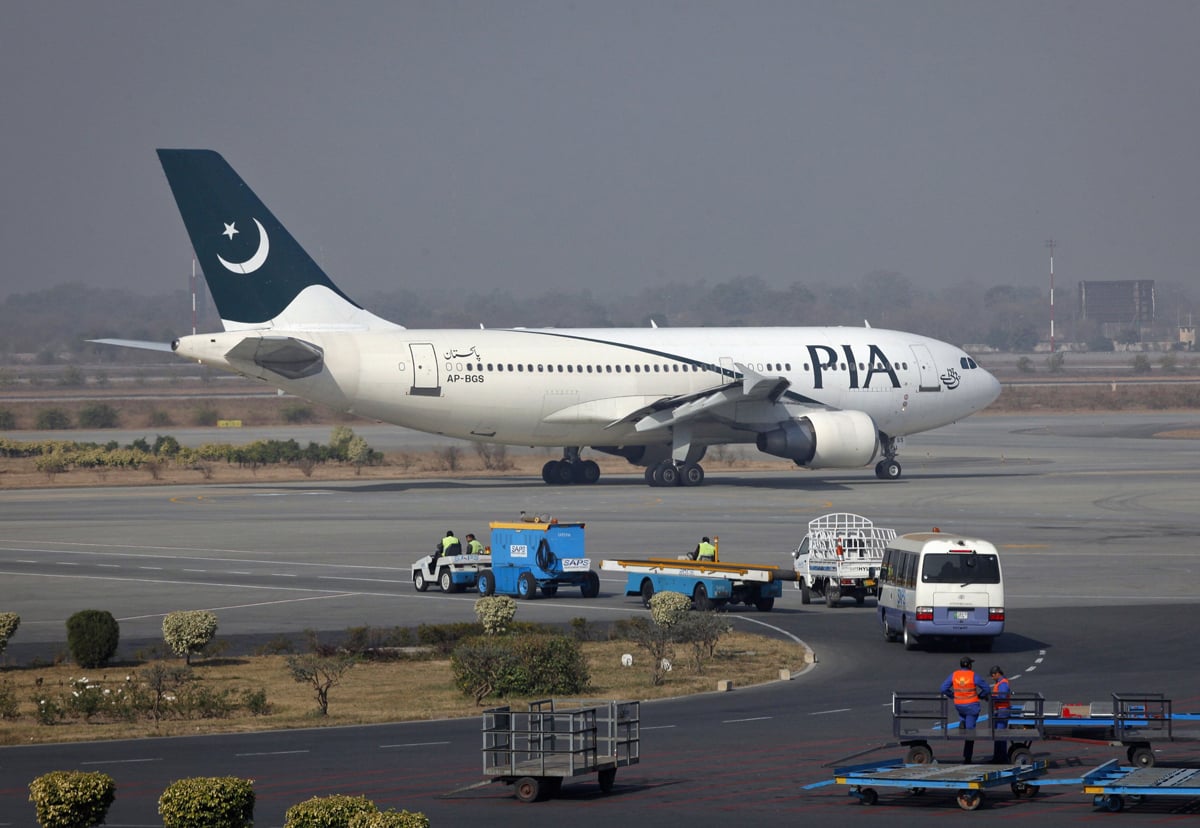

Foreign Airlines Grounded in Pakistan for Three Days
At least 11 international flights remain stranded at airports across Pakistan. The disruption has continued for three days. The crisis follows joint US and Israeli strikes on Iran.
The strikes were launched after escalating tensions in the region. Israel and the United States targeted Iranian sites. Iranian Supreme Leader Ayatollah Ali Khamenei was reportedly killed during the attacks. The development triggered sharp retaliation from Tehran.
Iran responded with missile strikes targeting Gulf states and Israel. The rapid escalation caused widespread airspace closures. International airlines were forced to halt or reroute operations.
At Multan Airport, one foreign airline aircraft has been awaiting departure for three days. Two additional international flights are grounded at Sialkot Airport. Passengers face uncertainty as airlines monitor security developments.
Aviation authorities are coordinating with global carriers. However, departures remain delayed due to airspace risks. Airline crews and aircraft are currently stranded outside their normal operating bases.
Middle East Airspace Closures Ripple Worldwide
Major airports in the Gulf have shut down or restricted operations. Dubai International Airport, one of the world’s busiest hubs, suspended services. Abu Dhabi and Doha airports also faced closures or heavy restrictions.
Dubai and Doha serve as critical transit points between Europe and Asia. Their temporary shutdown disrupted tightly scheduled connecting flights. Aircraft and crew members became stranded in different regions.
The disruption has affected airlines in Europe, Asia, and the Middle East. Carriers are cancelling flights or rerouting through alternative corridors. Longer routes increase fuel costs. Flight times have also extended significantly.
Overflight traffic through Pakistani and Afghan airspace has surged. According to Flightradar24 data, routes over Pakistan and Afghanistan are now among the busiest globally. Airlines are avoiding Iranian and Iraqi airspace due to security risks.
The Russia-Ukraine conflict had already reshaped global aviation routes. Now, the Middle East crisis has added further pressure. The loss of Iranian and Iraqi corridors has narrowed safe pathways for long-haul flights.
Aviation Industry Faces One of Sharpest Shocks in Years
The current aviation disruption is described as one of the most severe in recent years. Global airline networks depend heavily on Middle Eastern transit hubs. When these hubs close, ripple effects spread worldwide.
Airlines must reposition aircraft and crew once airspace reopens. That process takes time. Flight schedules may remain unstable even after restrictions lift.
Industry experts warn that narrow flight corridors increase congestion risks. Fighting near Pakistan and Afghanistan adds another layer of uncertainty. Airlines are prioritizing passenger safety while balancing operational challenges.
For Pakistan, the sudden rise in overflight traffic presents both opportunity and risk. Increased air traffic boosts transit activity. However, regional instability raises security concerns.
The situation remains fluid. Airlines are monitoring military developments closely. Until regional tensions ease, flight disruptions are expected to continue.
Passengers are advised to check with airlines before traveling. The Middle East crisis continues to reshape global aviation routes and schedules.

