

Prime Minister Shehbaz Sharif has ordered strict monitoring of petroleum products across Pakistan to prevent hoarding and artificial shortages. The directive aims to ensure stable fuel supply during growing regional uncertainty.
The prime minister instructed authorities to create a digital dashboard to track petroleum product movement nationwide. This system will share real-time supply data with provincial governments.
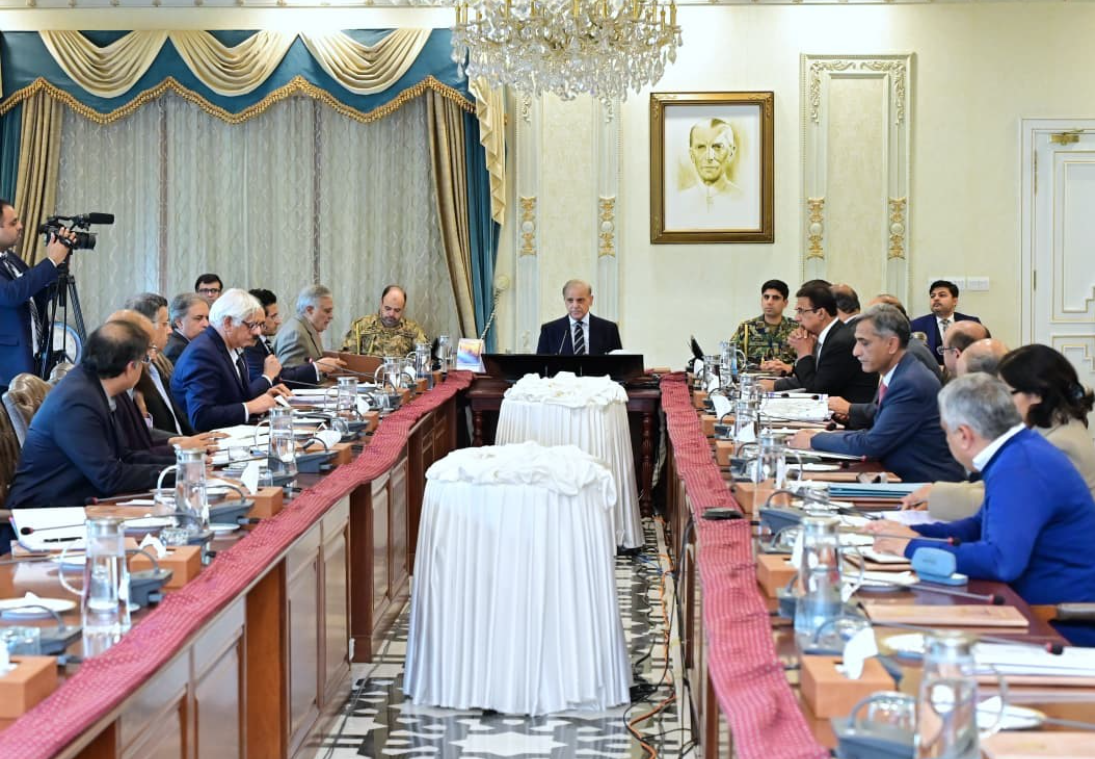
Officials discussed the issue during a high-level meeting in Islamabad that focused on fuel supply, storage capacity, and market stability. The review came amid concerns about disruptions in global energy supply chains.
Real-Time Dashboard to Track Fuel Movement
The government plans to use a monitoring dashboard to supervise the transportation and distribution of petroleum products.
This system will help authorities observe fuel movement from refineries to storage facilities and petrol stations. As a result, regulators will quickly detect irregular supply patterns.
Moreover, the dashboard will provide provinces with instant updates about stock levels and deliveries. Consequently, officials can respond faster to potential shortages.
Crackdown on Hoarding and Artificial Shortages
The prime minister directed regulators to take strict action against hoarding. He warned that authorities will shut petrol pumps responsible for creating artificial shortages.
Furthermore, regulators will investigate stations suspected of illegal storage practices. Authorities may also initiate legal action against operators violating petroleum regulations.
The Oil and Gas Regulatory Authority (OGRA) received instructions to cancel licences of petrol pumps involved in hoarding activities. Therefore, regulators aim to discourage market manipulation.
Pakistan’s Petroleum Reserves Remain Sufficient
Officials from the Ministry of Petroleum assured the meeting that Pakistan currently holds adequate petroleum reserves. These stocks can meet domestic fuel demand.
However, authorities still want stronger monitoring to avoid panic buying or artificial supply disruptions. Preventive measures often help maintain stability in sensitive energy markets.
Therefore, the government plans coordinated action between federal and provincial institutions.
Federal and Provincial Governments to Coordinate
The prime minister also directed the petroleum minister to engage provincial administrations. Together, they will develop strategies to conserve petroleum products.
This coordination will focus on maintaining uninterrupted supply to consumers across the country. Additionally, provinces will monitor fuel distribution at local levels.
Such cooperation improves response speed when supply chain challenges appear.
High-Level Officials Attend Strategic Meeting
Several senior government officials attended the meeting in Islamabad. These included Deputy Prime Minister Ishaq Dar and federal ministers Ahsan Iqbal, Muhammad Aurangzeb, Attaullah Tarar, Jam Kamal Khan, Ali Pervaiz Malik, and Awais Leghari.
The State Bank of Pakistan governor also participated. Meanwhile, chief secretaries from all four provinces, Azad Jammu and Kashmir, and Gilgit-Baltistan joined the discussion.
Their presence highlighted the importance of coordinated national energy management.
Regional Tensions Raise Energy Market Concerns
Authorities reviewed fuel supplies amid rising tensions in the Middle East. Analysts believe prolonged regional conflict could disrupt global energy routes.
Particular attention focused on the Strait of Hormuz, one of the world’s most important oil shipping routes. Any disruption there could affect global fuel supplies.
Market observers warn that prolonged restrictions on shipping lanes may raise international oil prices. Consequently, countries dependent on energy imports could face economic pressure.
OGRA Warns Against Illegal Storage
Meanwhile, the Oil and Gas Regulatory Authority issued a warning against illegal petroleum storage.
Officials stated that authorities will seal any premises involved in unauthorized fuel storage. The regulator emphasized strict enforcement to prevent market manipulation.
Additionally, authorities continue monitoring the national petroleum supply chain closely. This approach aims to ensure uninterrupted availability of fuel for consumers.
Strengthening Fuel Supply Oversight
The government’s monitoring initiative reflects growing efforts to strengthen Pakistan’s fuel supply management.
Real-time data systems can help authorities detect problems early. Moreover, coordinated federal and provincial action may reduce the risk of artificial shortages.
As global energy markets remain uncertain, proactive oversight will remain critical. Ultimately, effective monitoring helps protect consumers and maintain market stability.

