

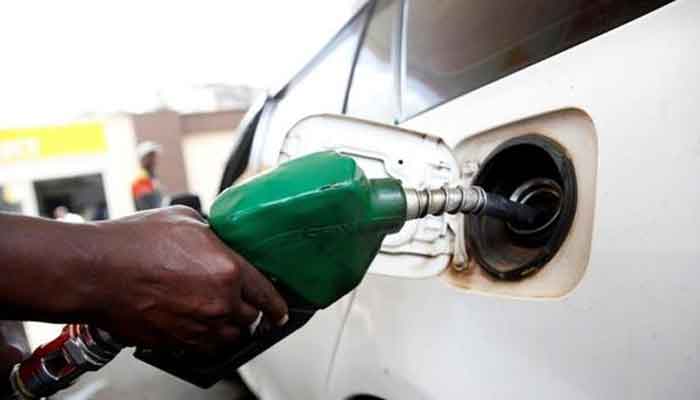

Petrol, diesel prices likely to cross Rs320 and Rs325 per litre
ISLAMABAD: The ongoing surge in energy prices is likely to result in an increase in petroleum product prices later this week, driven by a combination of currency depreciation and higher international oil prices.
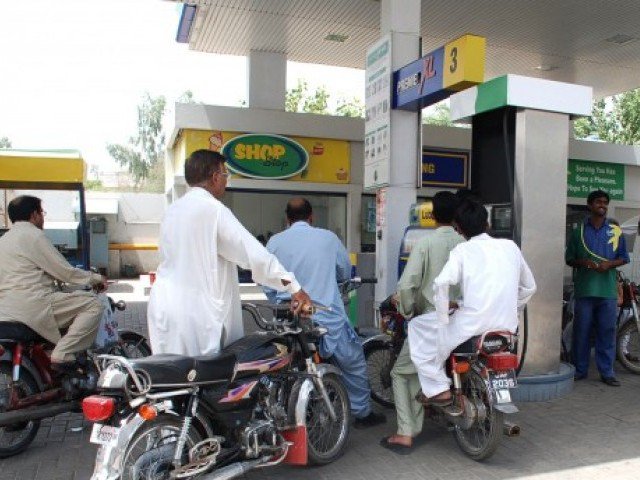
According to the sources, the prices of major petroleum products, such as petrol and high-speed diesel (HSD), are expected to increase by approximately Rs10-14 and Rs14-16 per liter, respectively, on September 15th for the next two weeks.
Additionally, the price of kerosene is anticipated to rise by around Rs10 per liter, based on current tax rates and import parity prices.
During the first 10 days of the current fortnight, the rupee initially depreciated by Rs4.5 against the dollar, moving from Rs299 to Rs304, before eventually falling below Rs300. However, during this period, benchmark international Brent prices rose beyond $92 per barrel, up from $88 in the first week of September, negating any potential benefits from the exchange rate adjustment.
Furthermore, the government has approved passing on to consumers the impact of an approximate 88 paise per liter increase in sales margins for petroleum dealers and marketing companies, as approved by the Economic Coordination Committee (ECC) of the cabinet last week.
Impending Fuel Price Hike: Impact and Implication
According to sources, import parity prices for petrol, diesel, and kerosene have risen by approximately Rs13, Rs14, and Rs10 per liter, respectively, since September 1. Estimates suggest that Pakistan State Oil’s product imports will lead to price increases of Rs13, Rs16, and over Rs10 per liter for sale prices. Moreover, there is an anticipation of a Rs10 per liter increase in jet fuel prices.
As a result, the price of petrol might surpass Rs320 and that of and diesel is Rs325 per liter. The price of kerosene is likely to be on the higher side of Rs240 per liter.
HSD, primarily used in the transport sector, including heavy vehicles, trains, and agricultural engines, has an impact on the prices of vegetables and other food items. On the other hand, petrol, mainly utilized in private transport, small vehicles, rickshaws, and two-wheelers, directly affects the budgets of middle- and lower-middle-class individuals.
The 27.4% increase in the August inflation rate precedes the rise in petroleum product prices. This inflation surge will gradually affect general prices in the country in the coming days and weeks.
Currently, there is zero GST on all petroleum products, but the government imposes a petroleum development levy (PDL) of Rs60 per liter on petrol and Rs50 each on HSD and high octane blending component and 95RON petrol.
Furthermore, customs authorities impose customs duties of approximately Rs18 to Rs22 per liter on petrol and HSD.
Petrol and HSD are significant revenue generators, with monthly sales of approximately 700,000-800,000 tonnes per month, compared to a monthly demand of just 10,000 tonnes for kerosene.
