

Iran has given the United States four to five days to meet its conditions for reopening the Strait of Hormuz and resuming negotiations.
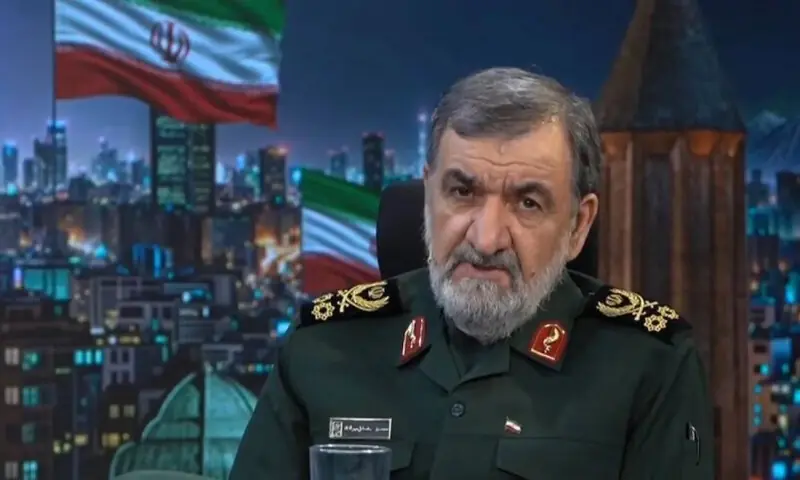
Mohsen Rezaei, secretary of Iran’s Supreme National Security Council, announced the deadline in a televised interview.
He said Washington must implement Tehran’s conditions “completely and all at once” before Iran considers reopening the strategic waterway or returning to negotiations.
Iran Sets Short Deadline for Washington
Rezaei said Iran would decide its “next step” after the four-to-five-day deadline.
He did not specify what action Tehran would take if Washington failed to meet the conditions.
The Iranian official also rejected further negotiations without prior action from the United States.
“Talk is enough. Negotiations are enough. Now we must act,” Rezaei said, according to The Guardian.
The latest warning represents a harder position than earlier Iranian statements suggesting Hormuz could reopen within seven days if Washington eased military pressure and lifted its blockade of Iranian ports.
Tehran Wants US Action Before Talks
Iranian officials have said their conditions include lifting US sanctions and ending American military operations.
Iranian Foreign Minister Abbas Araghchi has reportedly presented seven conditions through diplomatic discussions in New York.
The proposals include demands related to sanctions, military action and the reopening of the Strait of Hormuz.
Iran has also indicated that it wants Washington to formally declare support for a diplomatic solution and agree on a timetable for negotiations.
Tehran reportedly delivered its proposal to US officials through mediators on September 16.
Hormuz Shipping Remains Severely Disrupted
The deadline comes as commercial shipping through the Strait of Hormuz remains far below normal levels.
Preliminary shipping data cited by Reuters showed that 10 commodity vessels crossed the waterway on Wednesday, compared with seven a day earlier.
However, the figure remained below the 10-day average of around 17 vessels.
The data does not include vessels that may have crossed the strait with their tracking systems switched off. Before the current conflict, around 125 large commercial vessels typically passed through the waterway each day.
The Strait of Hormuz is a crucial route for global energy supplies, making the disruption a major concern for oil-importing economies.
Oil Markets Watch the Hormuz Deadline
Reduced shipping through Hormuz has added pressure to global energy markets.
The waterway normally carries a significant share of global oil and liquefied natural gas shipments, meaning prolonged disruption could affect energy prices and supply chains.
Shipping companies have also faced increased risks while operating in and around the strait.
The latest traffic data suggests that commercial movement remains heavily depressed despite some vessels continuing to transit the waterway.
Iran Warns of Wider Regional Escalation
The Hormuz ultimatum has also raised concerns that the conflict could spread to other regional shipping routes.
Iranian military officials have warned that further US escalation could trigger retaliation beyond the immediate conflict zone.
Maj Gen Rahim Safavi has previously warned that another front could emerge around the Red Sea and Bab el-Mandeb Strait, another major international shipping route.
The warning comes as tensions also remain high around Yemen and the Red Sea.
Diplomatic Channel Remains Open
Despite the tougher rhetoric, diplomatic contacts between Iran and Western officials continue in New York.
Iranian Foreign Minister Abbas Araghchi has held meetings with foreign officials on the sidelines of the UN General Assembly.
Iranian officials have also said diplomacy remains possible, although major differences between Tehran and Washington remain unresolved.
The four-to-five-day deadline now puts additional pressure on both sides as they consider whether to pursue further negotiations or allow tensions around Hormuz to escalate.
For global energy markets, the immediate focus will be on Washington’s response and whether Tehran follows through on its threat to keep the Strait of Hormuz closed.
For the latest updates, visit and follow The Truth International website (www.thetruthinternational.com) and subscribe to the YouTube Channel.

