

Retired commander says missile defense supplies are limited as regional tensions continue
JERUSALEM: Former Israeli Navy commander Maj.-Gen. (res.) Eliezer Marom has warned that Israel faces interceptor missile shortages similar to those reported in the United States, raising concerns about the country’s long-term defensive capabilities amid continuing tensions with Iran.
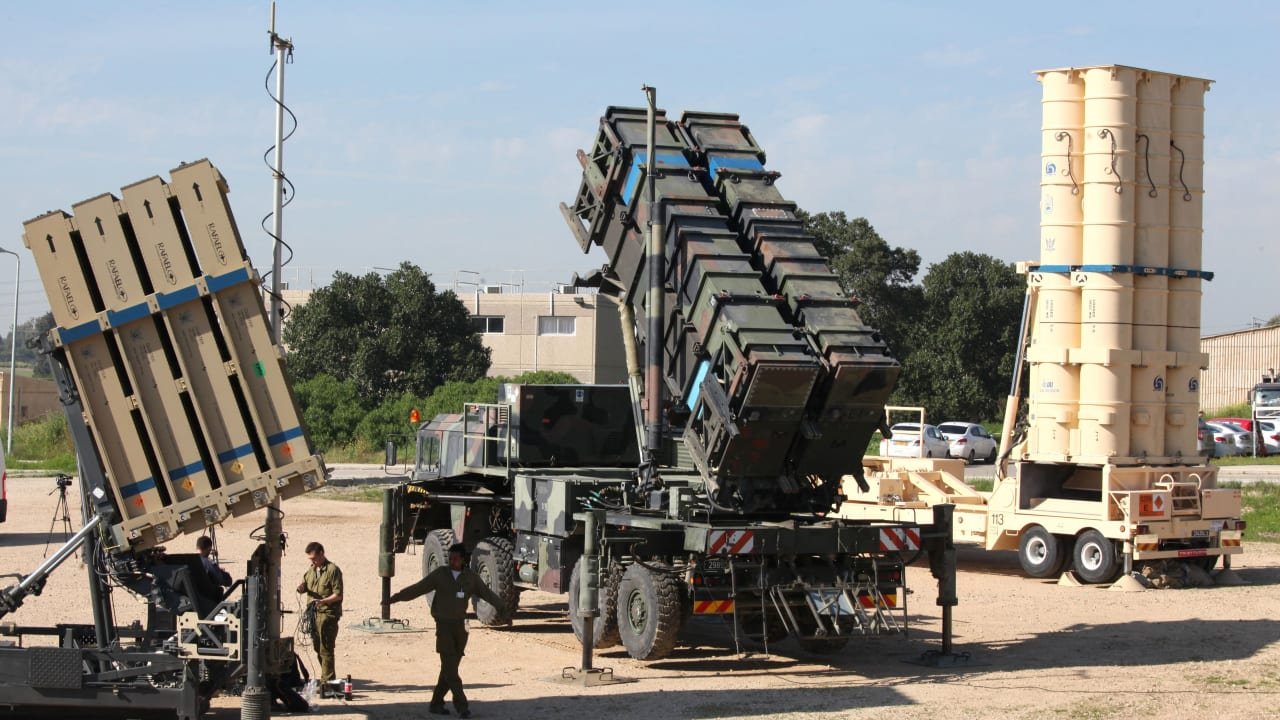
Speaking in an interview with Israeli radio station 103FM on Wednesday, Marom said Israel possesses fewer Arrow interceptor missiles than required and noted that production capacity remains limited. Consequently, he said, a significant portion of recent missile interceptions relied on US-operated THAAD systems and SM-3 interceptors launched from American naval vessels.
Marom questioned Israel’s preparedness for a broader regional or global conflict, arguing that existing missile defense resources could prove insufficient if multiple security challenges emerged simultaneously. He stressed that the issue requires a comprehensive strategic review.
Concerns over US strategy and Iran’s military progress
The retired commander also claimed that Washington remains reluctant to launch a major military strike against Iran. According to Marom, shortages of interceptor munitions and concerns about energy prices ahead of the US elections have influenced the American administration’s approach.
He argued that Tehran is using the delay to strengthen its nuclear program and expand its ballistic missile capabilities while seeking agreements related to the Strait of Hormuz and broader regional issues. Marom further claimed that Iran aims to preserve regional influence while avoiding actions that could threaten the survival of its leadership.
Additionally, he alleged that Qatar prefers maintaining regional stability by supporting policies that prevent further escalation involving Iran.
Calls for continued preparedness
Marom urged Israeli leaders to continue diplomatic negotiations with Lebanon, describing them as strategically important because they place pressure on Iran and Hezbollah. He also emphasized the need to prevent those negotiations from collapsing amid ongoing regional tensions.
At the same time, he argued that Israel must remain prepared to conduct military operations independently if it concludes that Iran has crossed critical security thresholds. According to Marom, Israeli forces should maintain readiness to strike key military production facilities if diplomatic efforts fail and perceived threats continue to grow.
His remarks reflect his personal assessment of the regional security environment and come as discussions continue over Iran’s nuclear activities, missile development and broader geopolitical tensions involving Israel, the United States and regional actors.

